
What Is a Site Plan and Why Do You Need One to Build Your Home?
Choosing a house plan is not a small decision. You looked at layouts, imagined your mornings, thought about how your family moves through space, and finally landed on the one that felt right. But a house plan is only one piece of what you need before a contractor can break ground. Most jurisdictions require a site plan before they will issue a building permit, and that document is something entirely different. Here is what it is, why it matters, and what the full path to a permit actually looks like.
What Is a Site Plan?
A site plan is a scaled, overhead drawing of your property. Think of it as a readable map of your building site. While your floor plan describes what is happening inside the home, a site plan tells the story of how that home relates to the land it sits on.
It shows both what already exists on the property and what you are proposing to build. That combination is exactly what local building and zoning officials need to review your project.

A typical site plan includes:
Property lines and lot dimensions
The footprint of the home on the lot
Setbacks from property lines, meaning the required distance between the structure and the edges of your lot
Driveway, walkways, and parking areas
Utility connections, including water, sewer, or septic system placement
Easements and rights-of-way
Existing structures, fencing, and landscape features
Grading and drainage details, depending on your jurisdiction
Every site plan is unique to the property it describes. That is precisely why it cannot come from a house plan company. It has to be created by someone who has actually surveyed your specific land.
Does the Site Plan Come Before or After the House Plan?
This is one of the questions we hear most often, and the honest answer is that they work in parallel rather than in a strict sequence.
Ideally, you would have a good understanding of your lot before choosing a plan. The size, shape, slope, and zoning of your property all influence which layouts will actually work on that land. A wide lot and a narrow lot call for very different floor plans. Knowing your setbacks before you fall in love with a plan can save you from a difficult conversation later.
In practice, many people do it the other way around. They fall in love with a plan and then search for land that suits it, or they already own a lot and are choosing a plan to match it. Both approaches can work.
What matters is that before you submit for a building permit, you will need both. Your architectural drawings and your site plan are submitted together as part of the same permit application. Neither replaces the other.

Why Is a Site Plan Required?
The main purpose of a site plan is to show your local building department exactly how you intend to use the land. It gives officials what they need to confirm that your project complies with zoning codes, setback requirements, and land use regulations before construction begins.
It also serves a practical purpose that many homeowners do not think about until later. A site plan becomes part of your property's permanent record. It documents what was built, where, and under what permit. That history matters when you go to sell, refinance, or make changes to the home down the road.
There is also an insurance dimension worth knowing. If you add a structure without a permit or build something that does not comply with local zoning codes, your homeowner’s insurance policy may not cover you in the event of an accident or loss. The site plan and permit process exist in part to protect you from that exposure.
What Is the Difference Between a Site Plan and a Floor Plan?
People often use these terms interchangeably. They are not the same thing.
A floor plan shows the interior of the home. It is the layout you fell in love with: the rooms, the flow between spaces, the placement of windows and doors. When you purchase a plan from Root Down, the floor plan is the heart of what you receive, along with elevations, sections, and the construction details your contractor needs to frame and finish the home.
A site plan shows the property as a whole. It does not describe what is happening inside the walls. It describes how the structure sits on the land, where the boundaries are, how the lot drains, and where utilities connect.
You need both to get a building permit. Together, they tell the complete story of the project, one from the inside out, and one from the outside in.
Why Is It Not Included in My House Plans?
This is one of the most common questions we hear, and it makes complete sense to ask.
When you purchase a plan from Root Down, you receive the architectural drawings that define the home itself. These are documents that can travel. They describe a house design that can be built on many different lots in many different places.
A site plan cannot travel. It requires knowledge of your specific lot: its dimensions, topography, utility access, existing features, and local zoning requirements. Since we do not have that information, we cannot produce that document for you. That is not a gap in the plans. It is simply the nature of what a site plan is.
Who Prepares a Site Plan?
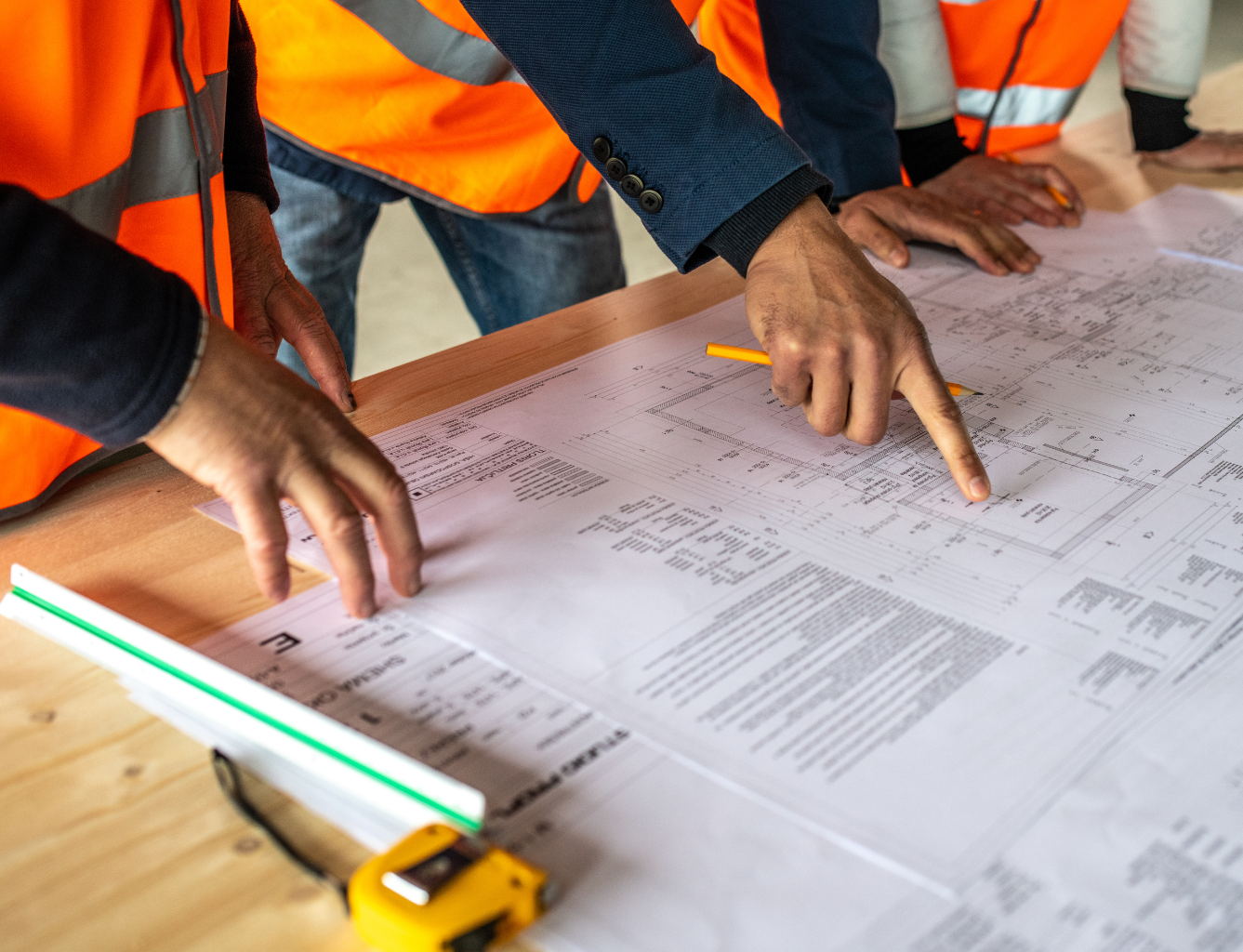
Depending on where you are building and the complexity of your project, a site plan is typically prepared by one of the following professionals:
A licensed land surveyor, for projects where the primary need is accurate boundary documentation and placement of the structure on the lot
A civil engineer, for projects that involve grading, drainage management, stormwater planning, or septic system design
A local architect or design professional who can prepare a combined permit package that brings both the site and architectural documentation together
Your contractor will likely have recommendations for whom to work with in your area. Many contractors have established relationships with local surveyors and engineers and can help coordinate this step as part of the overall project.
What Does the Permitting Process Look Like?
Every jurisdiction handles permitting a little differently, but here is a general picture of what to expect:
Choose your house plan. Your architectural drawings establish the design and scope of the project. This is your foundation. Browse our Traditional House Plans and Hempstead Living collection to find the one that fits your vision.
Have your lot surveyed and your site plan prepared. A licensed surveyor or civil engineer will visit your property, document everything relevant, and produce a site plan that meets your local jurisdiction’s requirements.
Submit your permit application. This typically includes your architectural drawings, your site plan, a completed application, and permit fees. Some jurisdictions require additional documents, such as energy compliance documentation or a stormwater management plan.
Plan review. Your local building department reviews the submission for code compliance. Depending on your municipality, this can take anywhere from a few days to several weeks.
Permit issued. Once approved, construction can begin. Your contractor will post the permit on site, and inspections will be scheduled at required stages throughout the project.
The Bottom Line
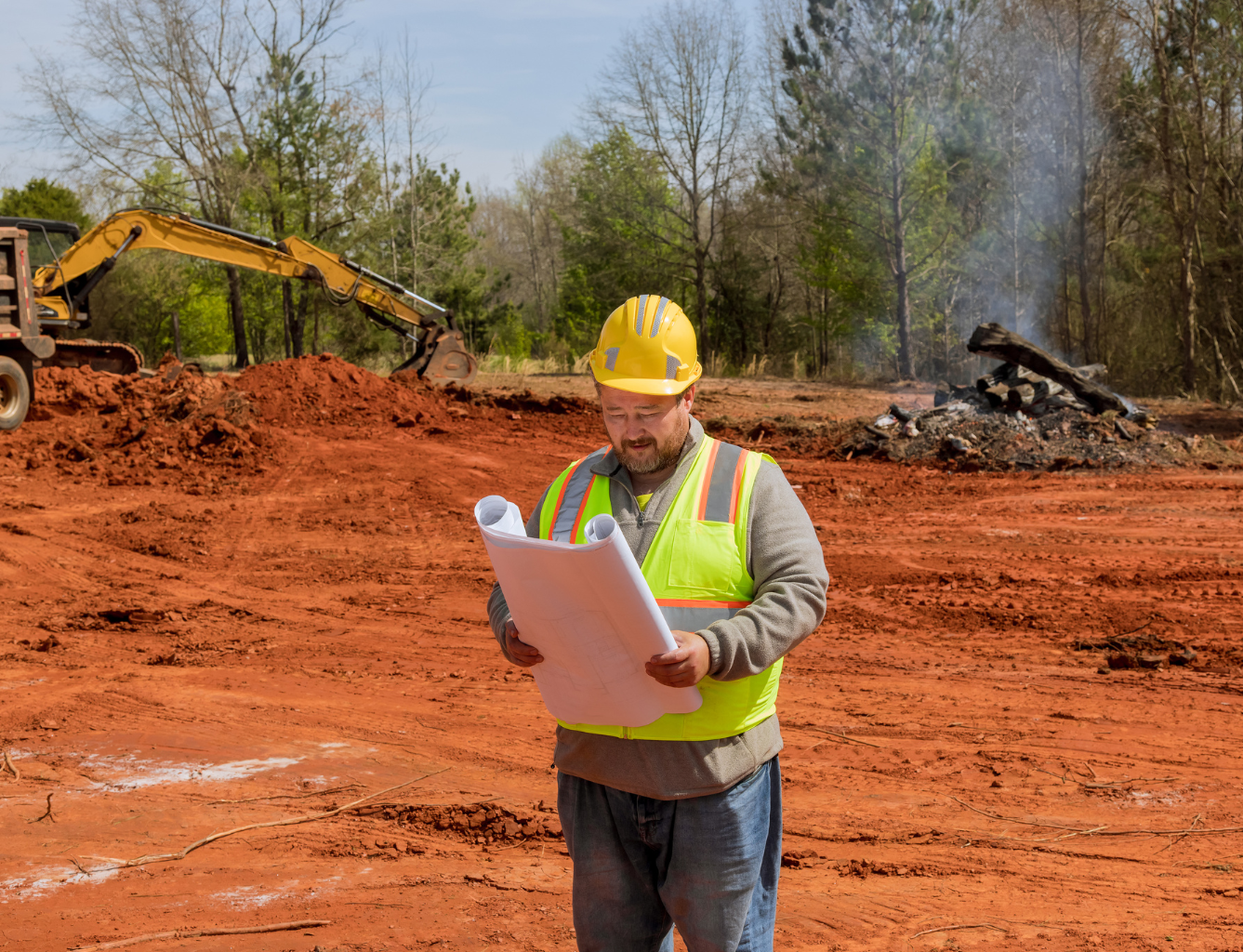
A site plan is not a surprise or an extra hurdle. It is a standard part of the process, and once you understand what it is and who handles it, it stops feeling like an obstacle and becomes exactly what it actually is: a document that protects you, your home, and your investment.
If you are still choosing your plan, our Traditional House Plans and Hempstead Living collections are a good place to start. If you are thinking about healthier materials and finishes, our Healthy Homes package was designed to help you make those decisions before construction begins, not after.
And if you have already purchased a Root Down plan and are not sure where to start with the next steps, reach out. We are happy to point you in the right direction.