
How to Buy the Right House Plan
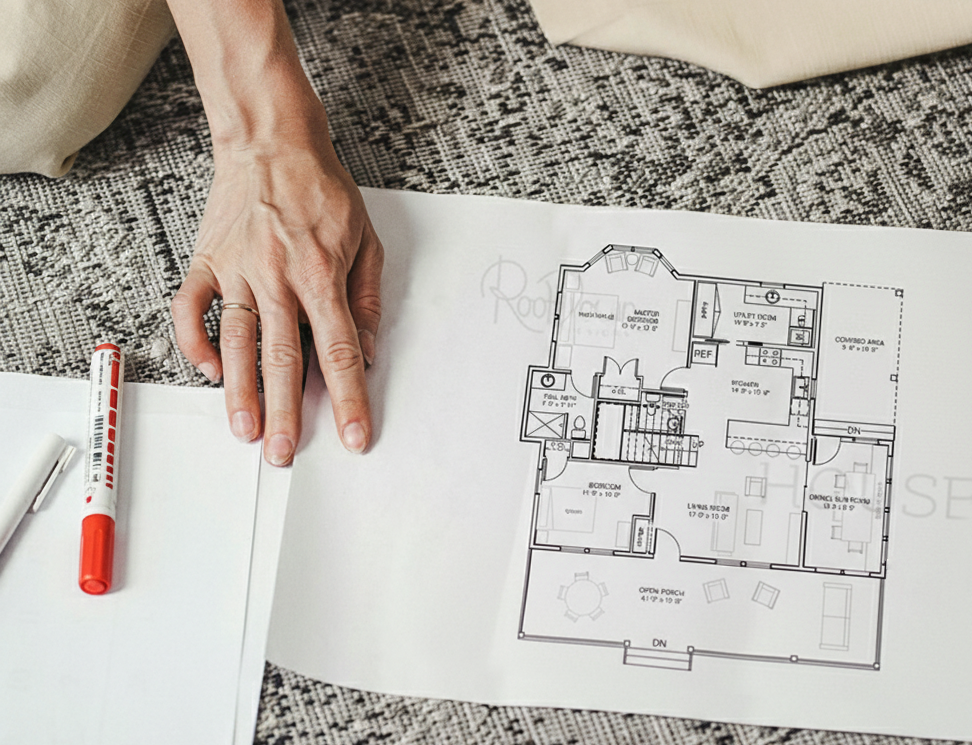
10 Things to Consider Before You Purchase
Buying a house plan is one of the most exciting steps in your home-building journey. It is the moment when your ideas start to take shape, when rooms, windows, daily routines, and future memories begin to feel real.
For many people today, that process starts online. With so many architect-designed house plans available, it is easy to feel inspired and just as easy to feel overwhelmed. The plan you choose will influence not only how your home looks, but how it functions, how much it costs to build, and how comfortable it feels for years to come.
From our experience working with homeowners at every stage of the process, one thing is always true. The right house plan is not about trends or total square footage. It is about fit. Fit for your land, your lifestyle, and your long-term goals.
If you are preparing to buy a house plan online, here are ten important things to consider before you purchase.
1. Start With Your Land
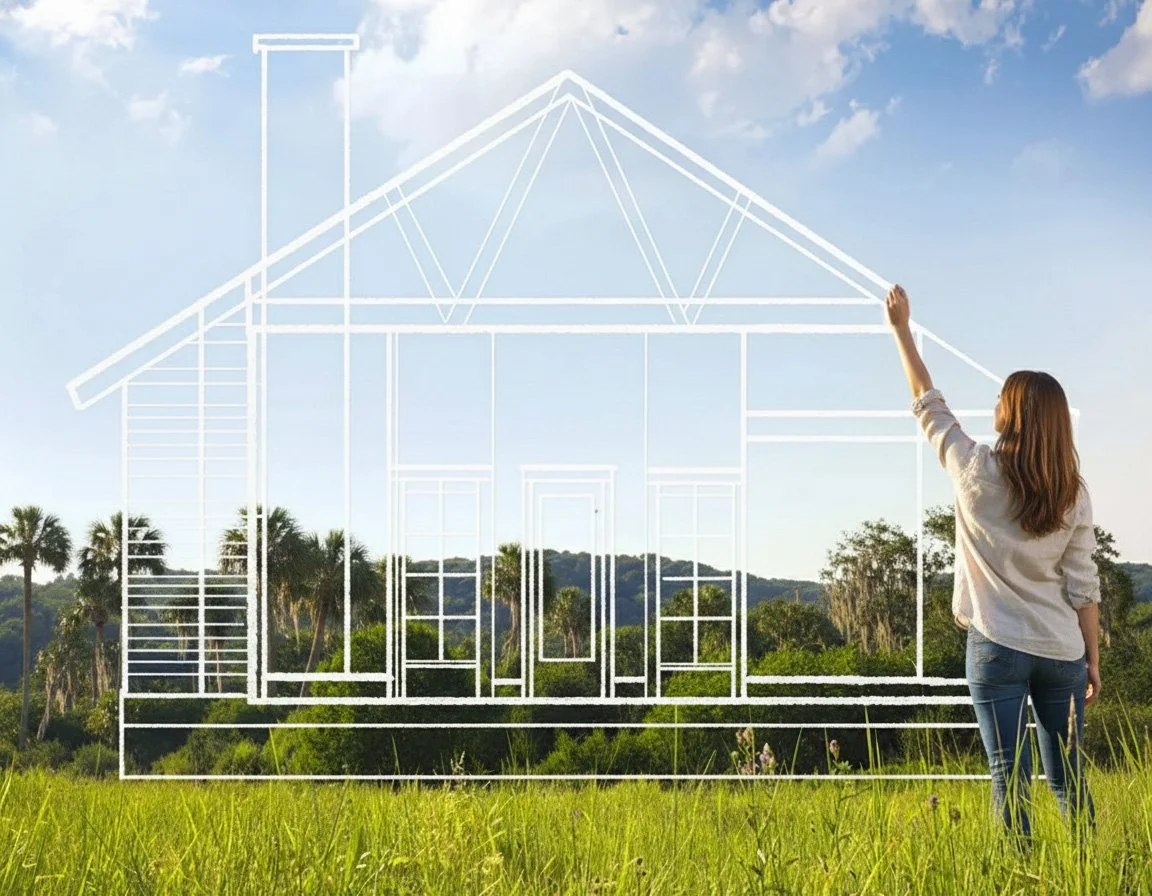
One of the most common missteps we see is choosing a plan before fully understanding the land it will sit on. Our plans are designed to adapt well to real sites, but the land still shapes what is possible.
Before you commit, take time to get familiar with your site. Notice the slope and general layout of the land. Review local zoning and setback requirements, and check for any height limits or view restrictions. Pay attention to how the sun and wind move across the site throughout the day.
When you understand your land first, the process of choosing a plan tends to feel clearer and more predictable.
2. Think About How You Actually Live
When clients come to us, they often have a list of features they think they want. Then we talk for a bit, and the real needs show up. School drop-offs. Working from home. A dog that needs a place to shake off mud. A kitchen that has to function for weeknights, not just holidays.
As you look at our plans, ask yourself a few honest questions. Do you need a quiet space for work or school? Will your household change in the next five to ten years? Do you crave storage, a pantry, or a true entry drop zone? Do you host people often, or do you prefer private rooms and quieter evenings?
Our goal is not to sell you a layout that just looks good in photos. Our goal is to offer well considered plans designed to support real life.
3. Walk Through a Typical Day
One of the simplest ways to know if a plan works is to mentally walk through a normal day.
Imagine how you enter the house and where shoes and bags naturally land. Notice the path from the car to the kitchen, how laundry fits into daily routines, and where the house allows you to slow down at the end of the day. Think about where kids or guests tend to gather and where quieter moments naturally happen.
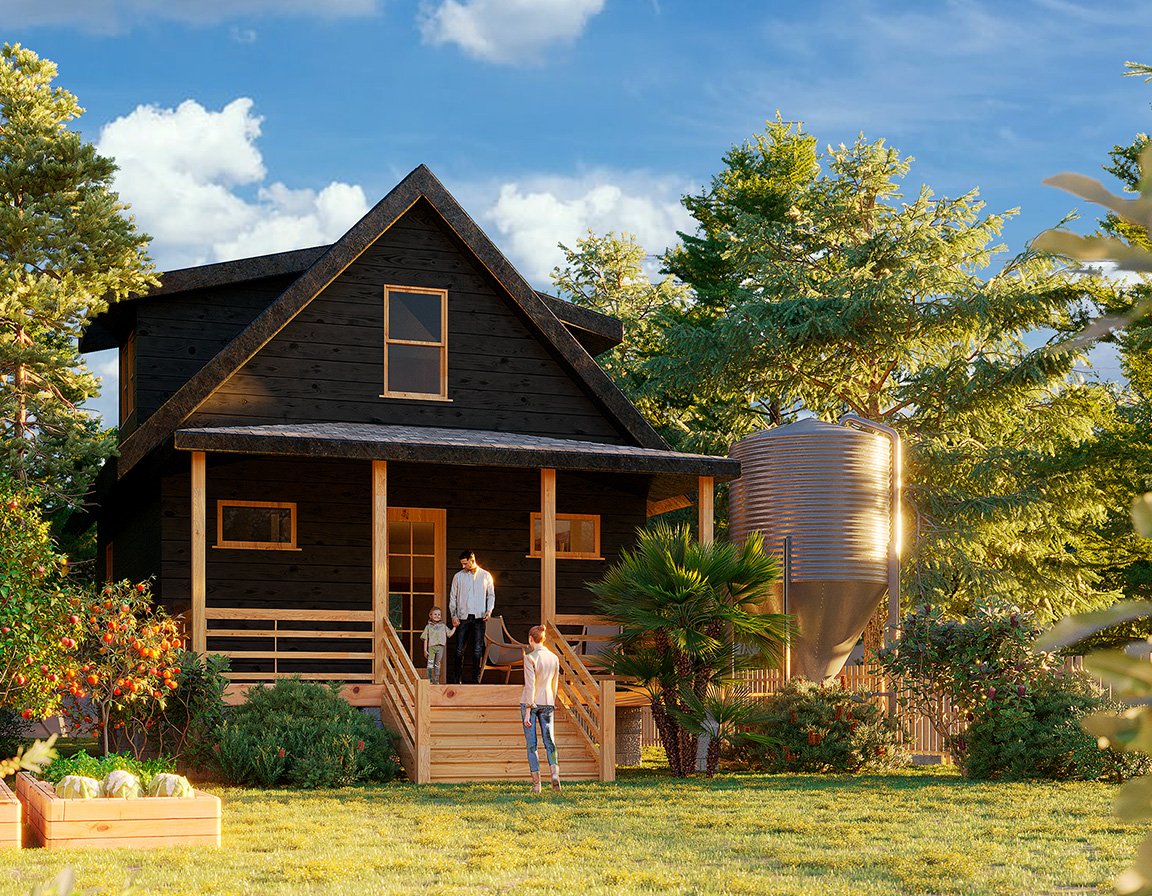
We design our house plans with flow in mind, but this kind of walkthrough helps you experience what the drawings alone cannot fully show. When a plan feels natural during this exercise, it is often a strong sign that you are close to the right fit.
4. Understand What “Ready to Build” Really Means
Many house plans are labeled ready to build, but the reality is often more nuanced.
At Root Down House Plan Co, we design our plans to support a clear path from review to construction, while giving you the information you need before committing. After you choose a house plan, we strongly recommend starting with a Viewing Set. This allows you to review the design in detail and share it with your bank, builder, and local building department to confirm feasibility, budget range, and any local considerations.
Once you have selected a builder, spoken with your lender, and confirmed basic requirements with your building department, the next step is the Bid Set. This is a more developed version of the same plan, prepared so your builder can provide accurate pricing and move toward construction planning. At this stage, the layout is largely finalized, but the plans are not yet intended for construction.
A house plan becomes ready for construction only after local requirements are addressed. Depending on where you are building, this may include engineering, code related updates, or review by locally licensed professionals. Smaller adjustments can often be handled within the plan, while more extensive changes may require working with our partner company.
Permits are always obtained by the homeowner or builder. Our role is to provide a clear, well documented house plan that supports a smooth and informed path to building.
5. Look Beyond Square Footage
We see this all the time. People get stuck comparing square footage, and they miss what really matters.
A smaller home with a thoughtful layout can feel calm, open, and easy to live in. A larger home with awkward circulation can feel frustrating fast. When you compare our designs, pay attention to proportions, storage, and the way spaces connect. We focus on layouts that feel comfortable and functional, using space where it matters most.
This is why square footage alone rarely tells the full story of how a home will actually live.
6. Choose the Right Starting Point, Then Customize With Intention
Many buyers assume they must choose between a fully custom home and a one size fits all plan. In reality, most people find the right balance somewhere in between.
Our house plans are designed to stand on their own, with thoughtful layouts and buildable details already in place. We also recognize that every family and every property is different.
Minor custom modifications, such as adjusting interior walls, are often possible and included at no additional charge. These small changes allow you to personalize a plan while staying within the original design framework.
More extensive changes fall into a different category. Updates that affect the exterior or structure, such as exterior walls, rooflines, or floor systems, require additional design work and are priced separately. These major modifications are completed through our partner architectural company, Root Down Designs, and include an additional design fee. For this level of change, we typically work from the more detailed Bidding Set to support a clear review process and accurate builder pricing.

Starting with a proven plan and making intentional adjustments is often the most efficient path to a home that feels personal, buildable, and ready to move forward with confidence.
7. Think About Long Term Comfort, Not Just Style
We believe a good house plan should feel good to live in, not just good to look at.
As you review our plans, notice how natural light enters the main living spaces and how rooms are positioned to take advantage of it throughout the day. Pay attention to ventilation and how air can move through the home, creating spaces that feel fresh and comfortable in every season. Think about how the house will perform during summer heat or winter cold, not just how it appears in a rendering.
Our approach emphasizes practical design choices that support everyday comfort. Clear circulation. Well connected spaces. Thoughtful window placement. These details may seem subtle on paper, but they make a meaningful difference once the home is built and lived in.
Energy efficiency and comfort go hand in hand. A home designed to perform well over time feels steadier, quieter, and naturally bright, making it easier to enjoy and care for in the years ahead.
8. Pay Attention to Orientation and Climate
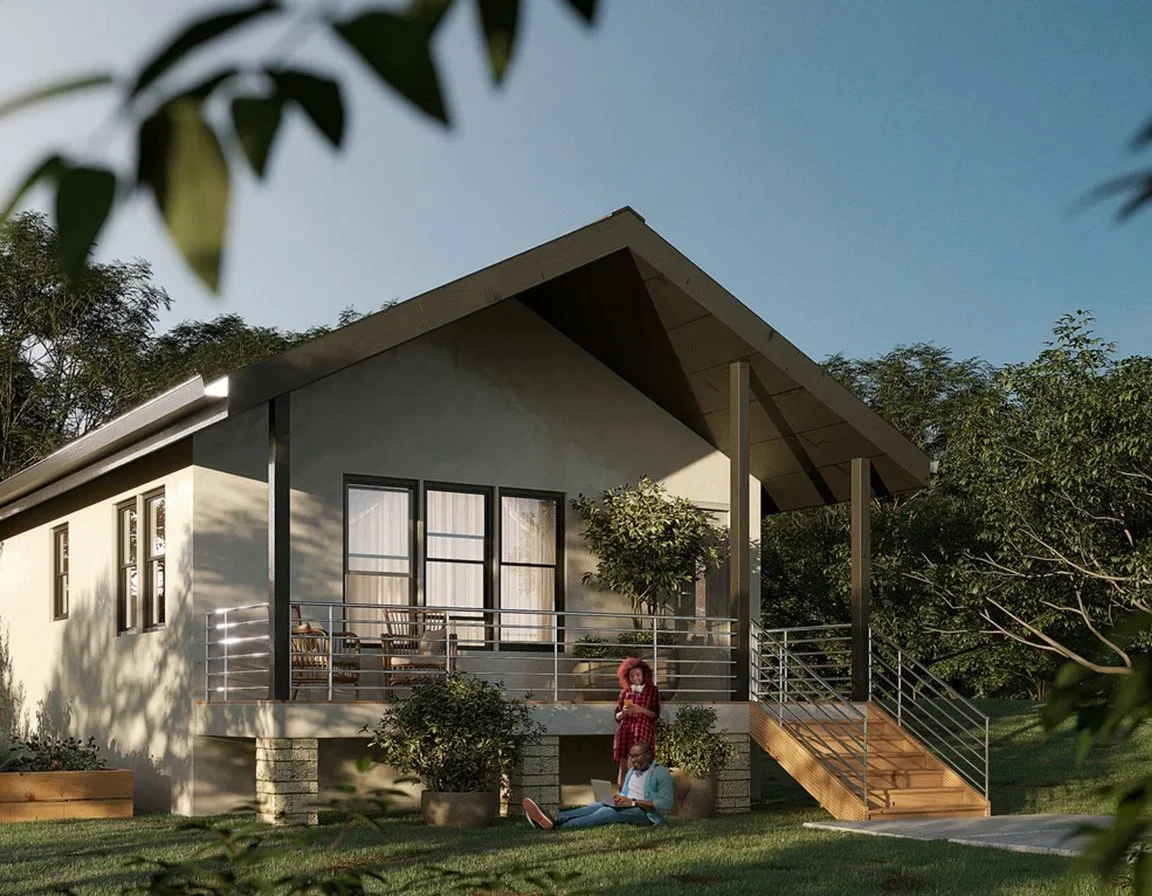
Where you build has a real impact on how a house plan performs. Orientation affects daylight, heating and cooling, and overall comfort throughout the year.
When buying a plan online, take time to think about how the design will sit on your specific property. Consider where your best views are. Notice where the sun rises and sets. Think about where you want shade during warmer months and how prevailing winds move across the site.
Our plans are designed to give you a strong foundation. When they are thoughtfully oriented on the land, that design works seamlessly, creating a home that feels brighter, more comfortable, and better suited to its environment.
9. Do a Local Reality Check Early
Before you purchase a house plan, it is worth doing a quick local reality check. You do not need every detail solved, but you do want to avoid obvious roadblocks.
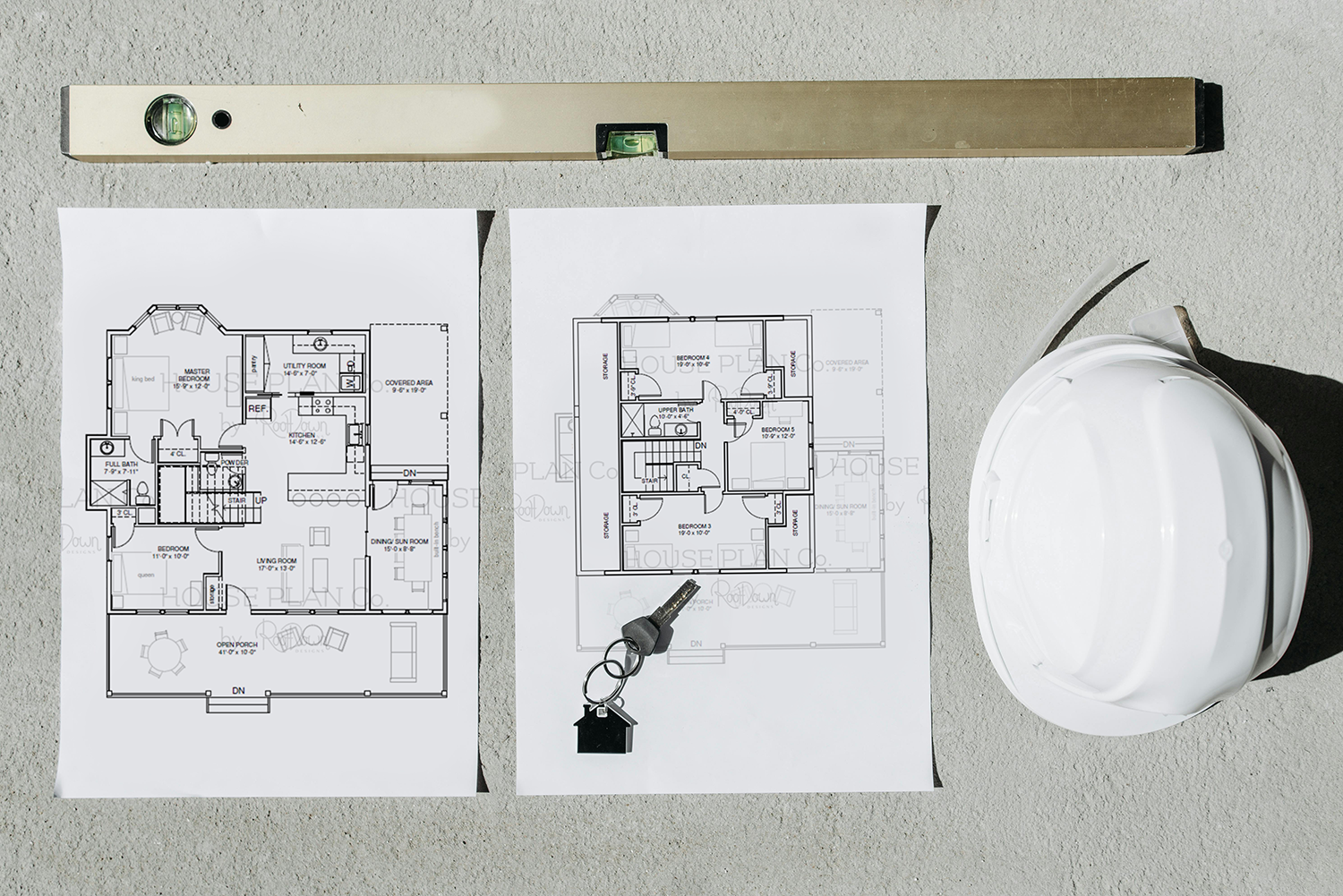
Talk with a builder or local professional about the basic requirements in your area. Confirm setbacks, height limits, and any neighborhood or zoning restrictions. Make sure your site conditions and local structural considerations are understood, especially in regions with higher wind, snow, or seismic requirements.
Taking this small step early can help prevent delays and unexpected changes later in the process.
10. Choose a Plan and a Process You Trust
Choosing a house plan is not just about choosing drawings. It is also about choosing a process that feels clear and manageable.
Our house plans are predesigned and thoughtfully resolved, which means many of the big design decisions have already been made with care. This creates a smoother, more straightforward experience, without the need for constant back and forth or deep architectural decision making.
At the same time, you should feel comfortable understanding what you are purchasing and what comes next. A good process offers clarity, sets expectations, and supports you as the plan moves closer to construction.
At Root Down House Plan Co, our goal is to make this step feel approachable and confident. Not overwhelming. Not confusing. Just clear, well considered, and ready to move forward.
Ready to Take the Next Step?
If you are exploring house plans and want guidance you can trust, we are here to help
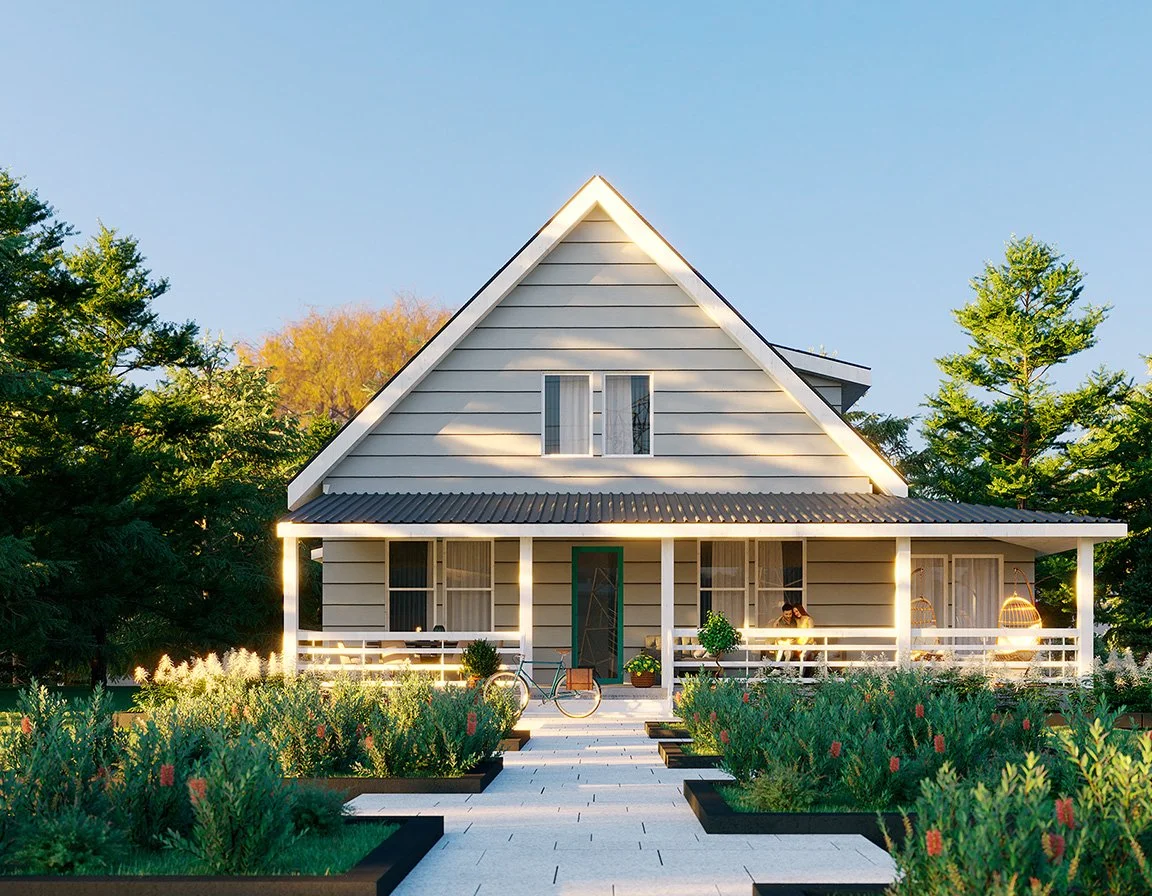
Explore our house plan collections and choose a design that feels grounded, thoughtful, and ready to become home. If you are still early in the process, download our free house plan checklist so you can make confident decisions before you buy.
Your home deserves a strong start, and the right plan makes all the difference.