
Traditional House Plans vs. Hempstead Living: Which One Fits You
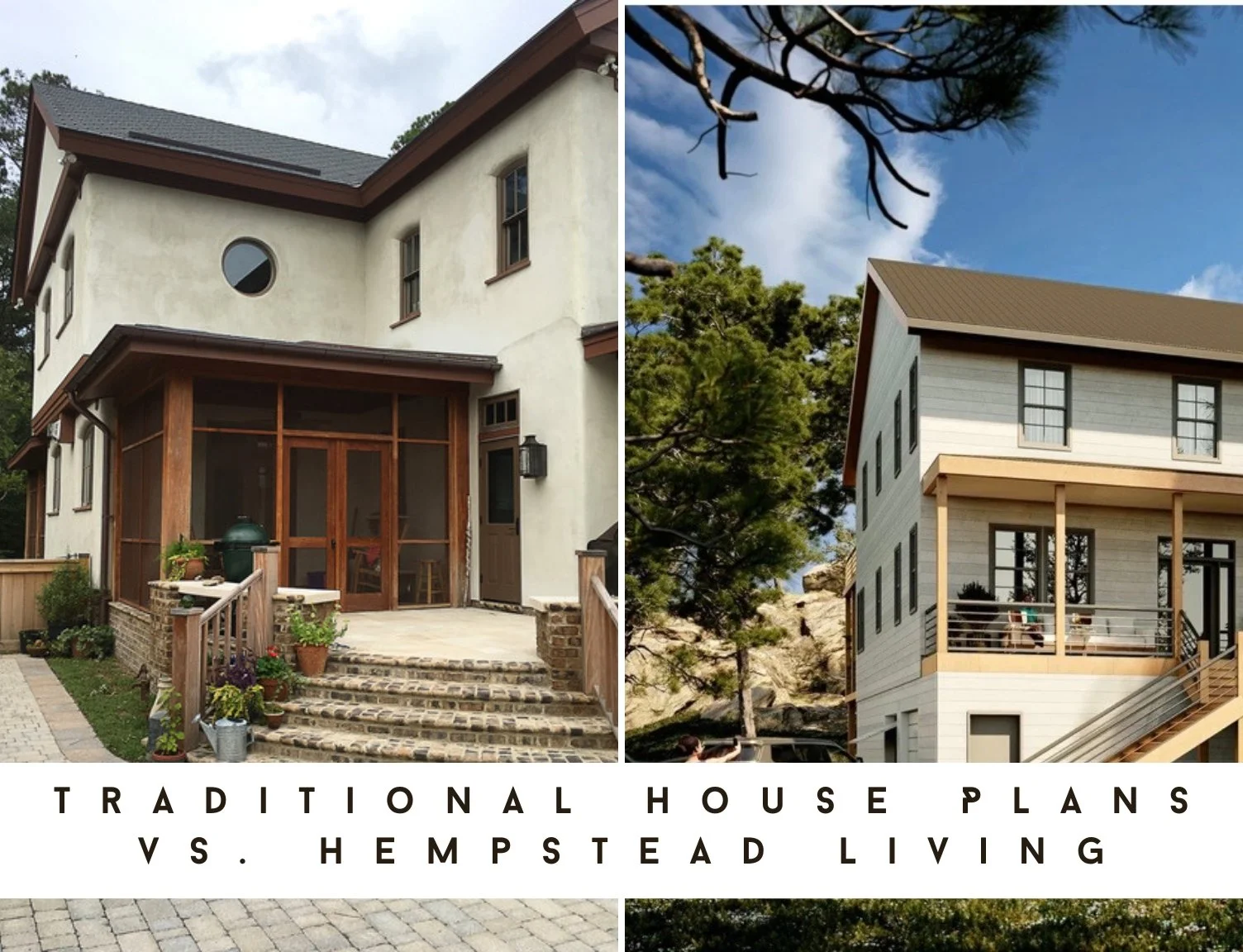
Traditional House Plans vs. Hempstead Living
Choosing a house plan is exciting, but it can also feel overwhelming. There are so many beautiful options online, and it’s easy to get swept up in how a home looks before thinking about how it will actually work for your everyday life. If you’re still sorting through those big picture decisions, our post 10 Things to Consider Before You Choose a House Plan is a great place to start.
At Root Down House Plan Co, function guides every design decision. We want you to find a plan that fits your routines, your land, and your long-term goals, and that supports the way you want to build, whether that means conventional construction or a healthier, more sustainable approach.
In this post, we will walk you through two of our core directions, Traditional House Plans and Hempstead Living. Traditional plans are designed for classic, conventional construction, but with healthy and high-performance options. Hempstead Living is designed for homeowners who want a plan that supports healthy, sustainable building, with hempcrete thoughtfully integrated from the start. By the end, you will have a much better sense of which path fits your lifestyle, your values, and your build.
The Healthy Homes Package is included with every plan
No matter which plan direction you choose, our goal is the same. We want you to feel good about what you are building.
That is why our Healthy Homes specification package is automatically included with every plan, both Traditional and Hempstead Living. This 600-plus page catalog is filled with healthier alternatives for your home’s interior. You simply follow the links on each product page to the manufacturer’s website and select the options that best suit your style and budget.
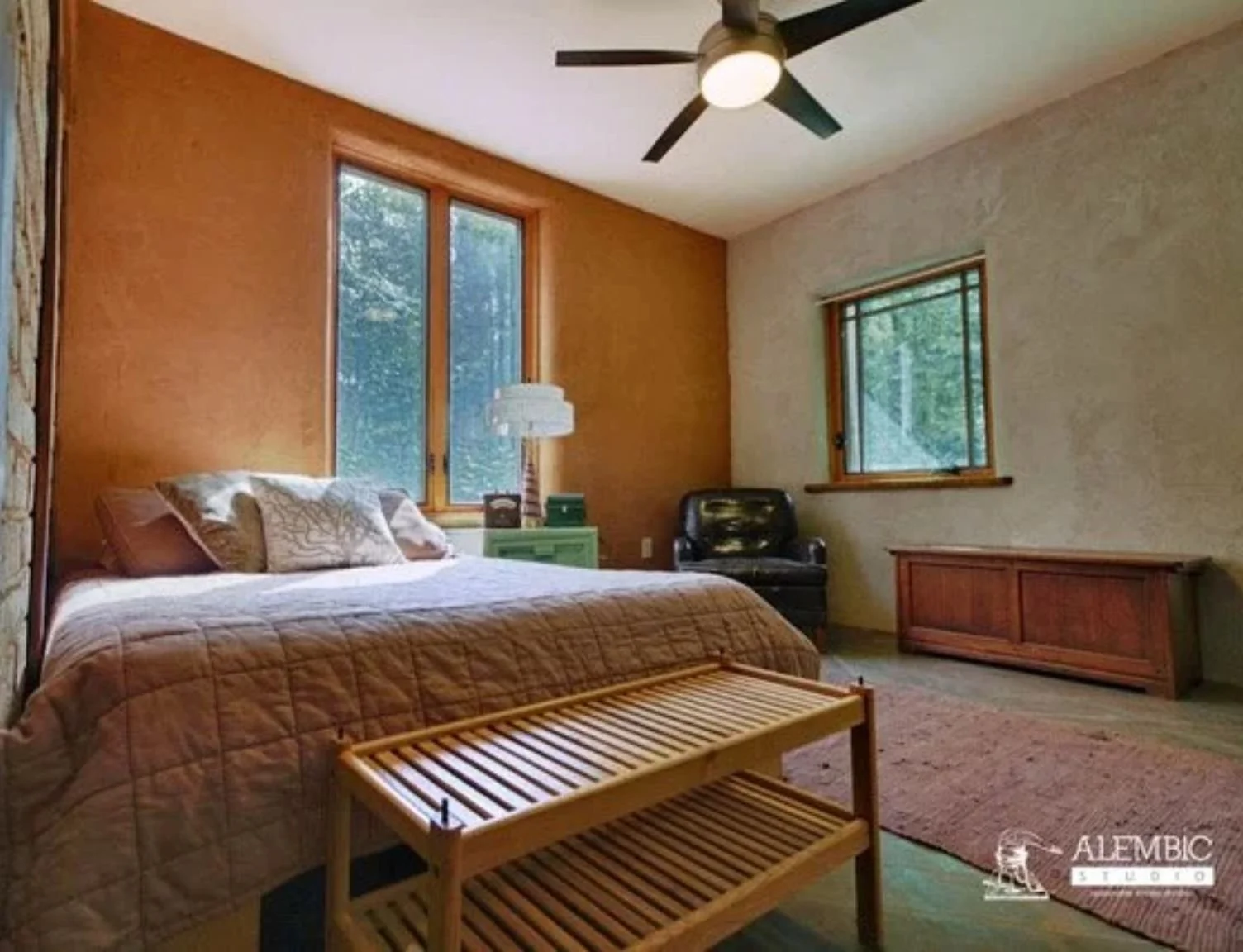
These small material upgrades can make a meaningful difference. By swapping in healthier conventional products, you can reduce exposure to Red List materials, VOCs, and other chemicals that impact human and environmental well-being.
Here is what guides our evaluation process for every brand and product we recommend:
Breathe easier
We prioritize low-VOC options and work to minimize Red List chemicals, while specifying more natural finishes and air-supportive products, including sustainable hemp-based materials when appropriate.
Ethically sourced
We prioritize brands with North American manufacturing and environmentally responsible practices, along with ethical employee guidelines.
Climate sensitive
We look for materials that minimize global warming potential. Many of our recommendations are bio-based products.
When available, we also include key transparency documents for each product, such as a Declare Label, an Environmental Product Declaration, or a Health Product Declaration. These help you see what is in the product and support more informed choices through third-party verified reporting.
If you are not purchasing a full plan set, the Healthy Homes specification package is also available a la carte for $100 USD.
How to choose between Traditional and Hempstead Living
At first glance, Traditional House Plans and Hempstead Living can both look beautiful. The real difference is how you want to build and what you want to prioritize in the materials and systems.
For most homeowners, that choice comes down to priorities.
Some clients want a timeless look and a familiar building path. They are drawn to classic design, conventional construction, and a process most builders know well.
Others care most about what the home is made of and how it will feel to live in it. Most likely, they have heard of hempcrete (hemp-lime), have researched it, or have experienced a hempcrete building, and know that these biogenic materials are how they want to build their home. Many folks seeking out hempcrete homes have dealt with mold illness or chemical sensitivities and are seeking this material for its anti-mold and healthy indoor air qualities. That is where Hempstead Living comes in, designed from the beginning with hempcrete and carbon-negative choices in mind.

If you are not sure which direction fits, ask yourself this:
Are you most excited about a home that feels classic and familiar, or a home that reflects healthy home and sustainability values through the materials and systems behind the walls?
Now, let’s look at what defines each direction.
Traditional House Plans: timeless design and a familiar build path
Traditional house plans have lasting appeal for a reason. They feel familiar in the best way, and they tend to sit comfortably in a wide range of settings, from open land to established neighborhoods.
This direction is a great fit if you want a home that feels classic and welcoming, with a building approach that is widely understood. It is often the right choice when you want the process to feel straightforward, from early pricing conversations all the way through construction.
Traditional does not mean boring. It means dependable. It means choosing a design language that ages well, paired with a conventional construction path that most builders know how to execute with confidence.
Hempstead Living: healthy and durable homes built with hempcrete
Hempstead Living is more than a look. It is a building philosophy rooted in healthy materials and sustainability.
Root Down House Plan Co. is excited to be launching the Hempstead Living House Plans, a series of detailed designs for the construction of healthy and durable homes crafted with innovation, sustainability, and inclusivity at heart.
Each plan is a collaboration between April Magill, Principal Architect of Root Down Designs, and Tim Callahan, founder of Alembic Studio and author of Building Green. Together, they represent over 45 years of experience in design and construction, including 35 years of natural building and hempcrete experience. See their full bios here.
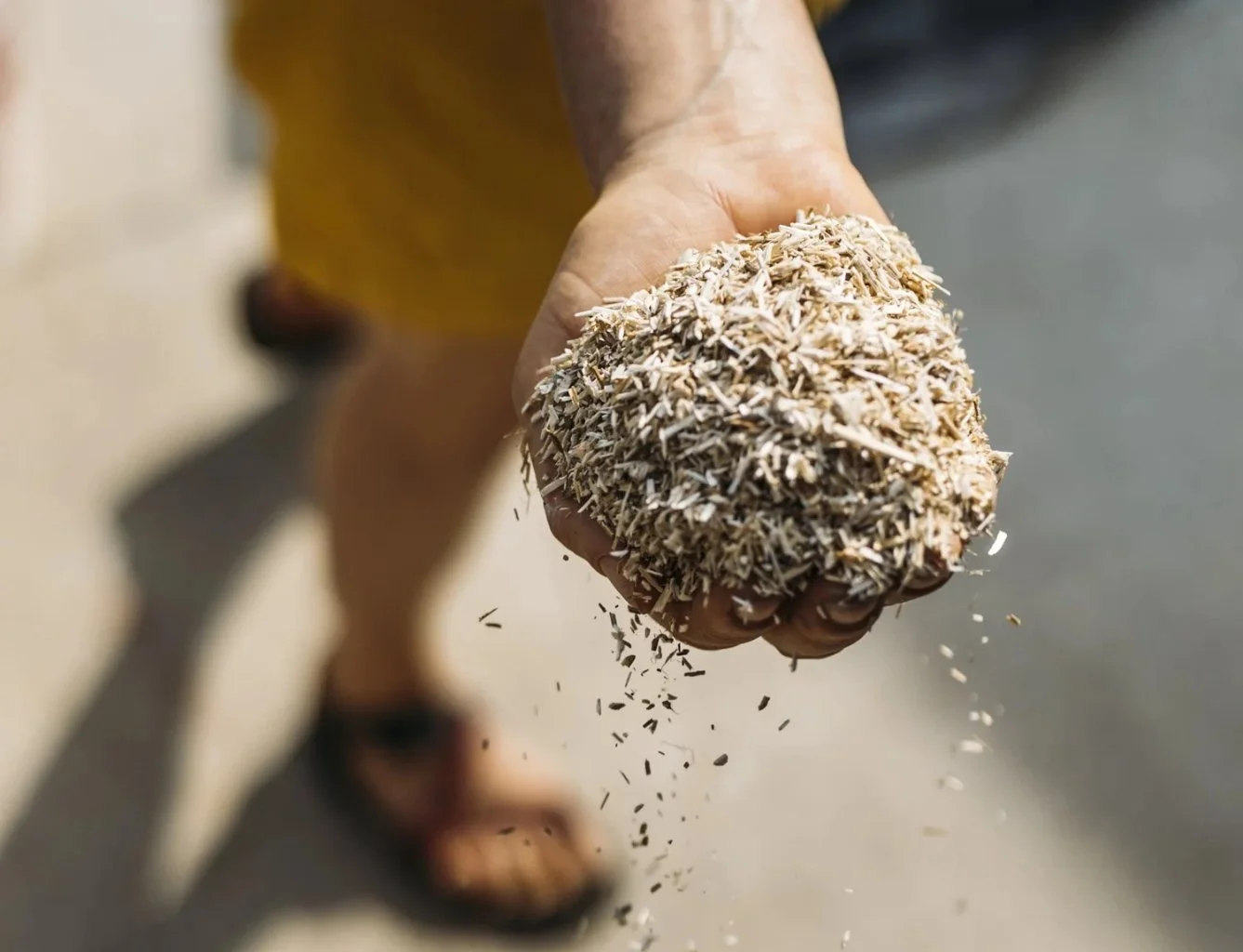
Hempstead Living plans are designed around our hempcrete wall system. Hempcrete is not the same as poured concrete. It is typically used as part of a wall system that supports comfort and performance goals in a different way than conventional assemblies. If you want to learn more about hempcrete, you can start here.
Why homeowners are drawn to hempcrete and a healthy home build
For many people, choosing Hempstead Living is not just a design decision. It is a lifestyle one. They want a home that supports a healthier indoor environment, and they want to feel confident about the materials they live with every day.
Hempcrete is often a key part of this approach because it supports a vapor open wall that can buffer humidity and promote a healthier feeling interior. This can be especially appealing for people with past mold concerns or who prioritize a low-tox living environment, without sacrificing comfort. For many homeowners, it is also about long-term performance and creating an energy-smart home that stays consistent through the seasons.
And for some people, that is the point. Hempstead Living makes sustainability part of the foundation of the project, not an afterthought. It is a grounded way to build that feels aligned from start to finish.
The takeaway
Traditional House Plans and Hempstead Living are both beautiful options. The difference is in the materials of the wall system.
Choose Traditional if you want a timeless design and a conventional path to construction.
Choose Hempstead Living if you want carbon-negative, biogenic materials and hempcrete integrated from the start.
Either way, you are choosing a plan that holds up for everyday life and the years ahead.
Curious which direction feels more like you?
Start with the plan style that matches your goals, then save two or three favorites. From there, it becomes much easier to compare options side by side. Consider purchasing a Viewing Set for $75; this is a simple set of conceptual-level plans you can share with your builder and your bank to ensure that you have a pathway forward.