
What Is Hempcrete? (And Why Is Everyone Talking About It?)
At Root Down House Plan Co., we design more than traditional house plans. Through our Hempstead Living House Plans, we create thoughtfully detailed, hemp-based homes built for health, durability, and long-term sustainability. Each design reflects a collaboration between April Magill, Principal Architect of Root Down Designs, and Tim Callahan, founder of Alembic Studio and author of Building Green. Together, they bring over 45 years of experience in design and construction, including more than three decades working with natural building systems and hempcrete.
So what exactly makes these homes different?
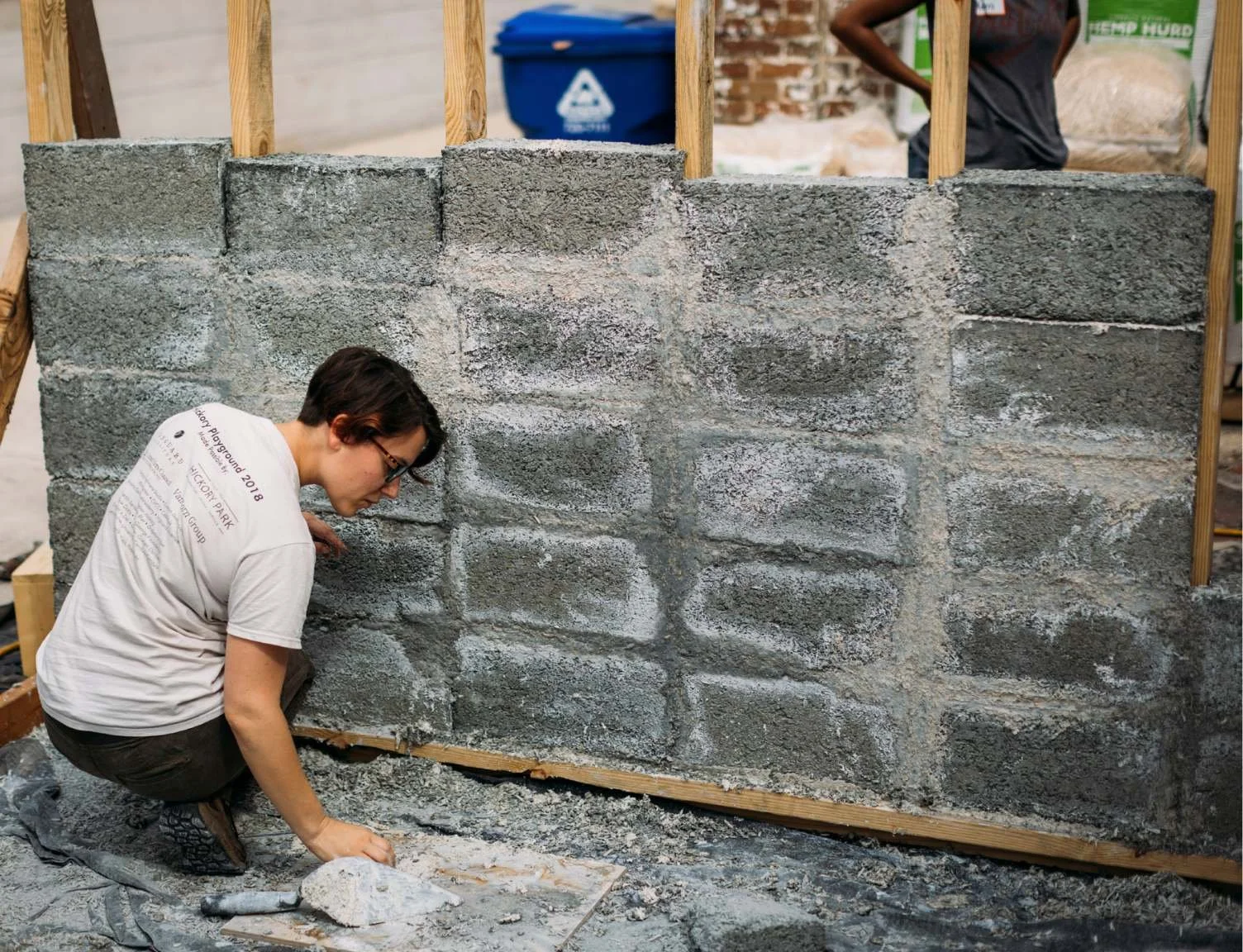
It begins with the walls. Hempstead Living homes are designed around hempcrete, a plant-based building material that is redefining how modern, resilient homes can be built.
What Is Hempcrete, Really?
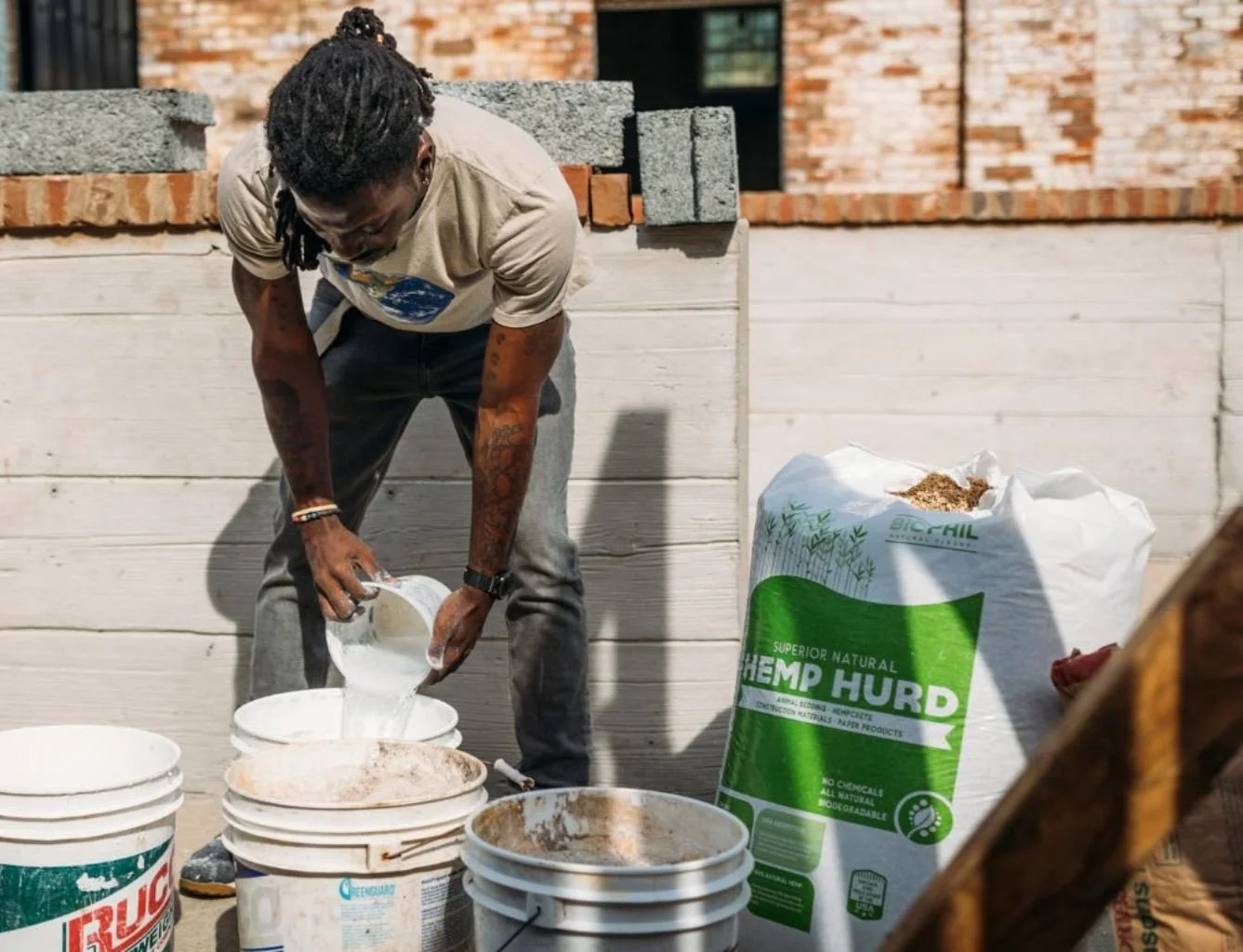
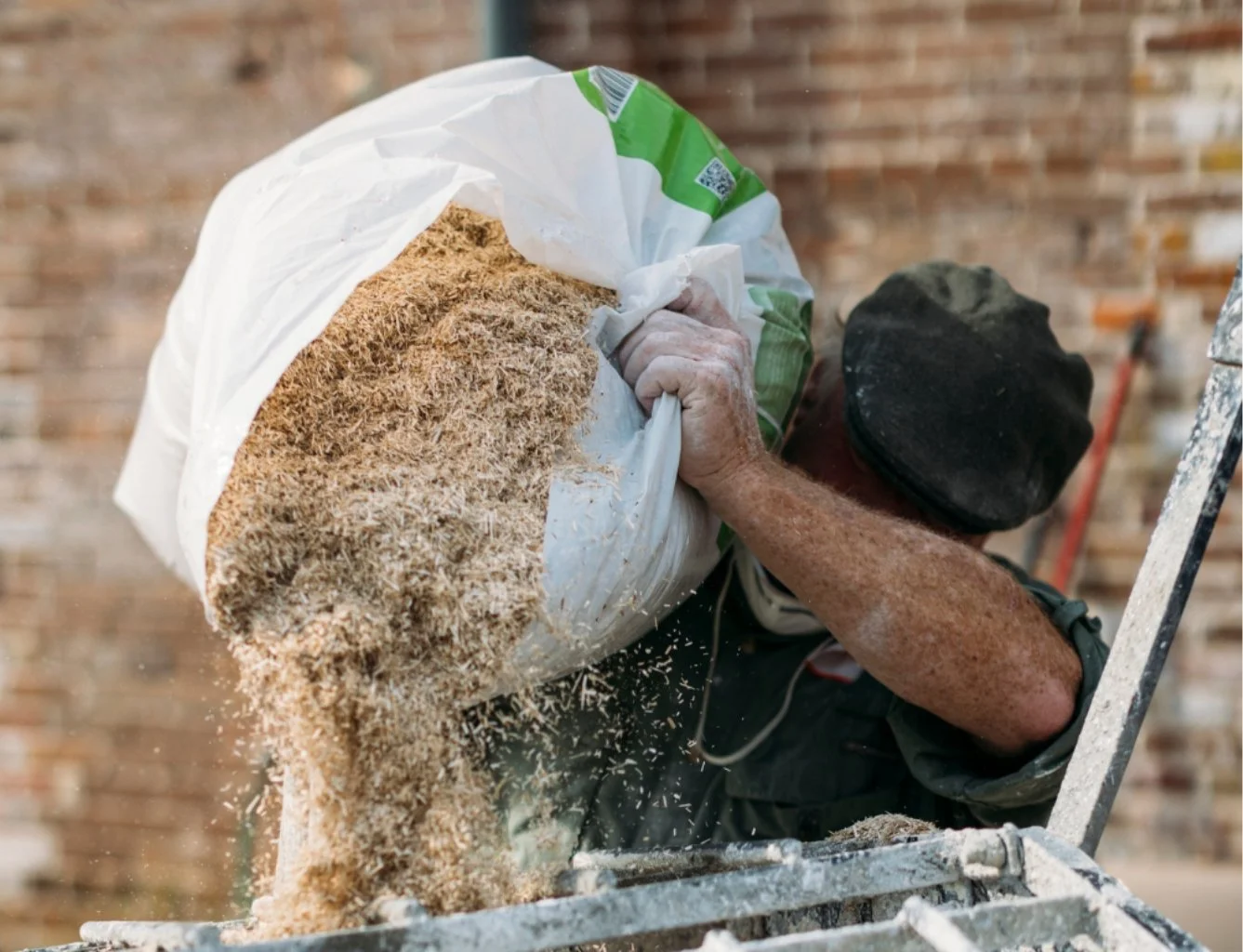
Hempcrete, sometimes called hemp lime, is a simple blend of three ingredients:
• Hemp hurd, which is the woody core of the hemp plant
• A lime-based binder
• Water
That is it.
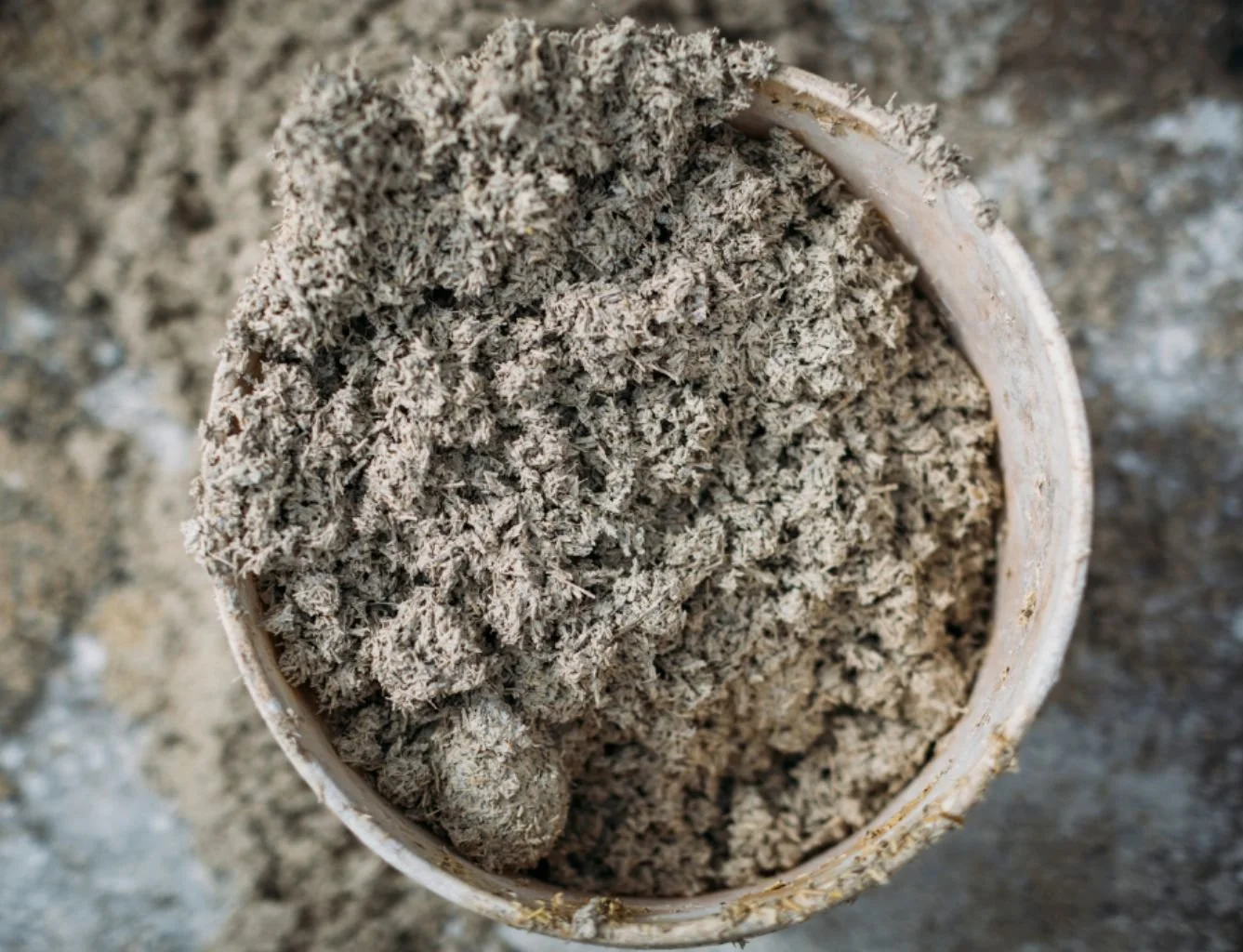
When mixed, these ingredients create a lightweight, breathable wall infill that provides insulation, thermal mass, and a natural plaster base all in one system.
One important clarification. Hempcrete is not structural. It does not replace your framing. Instead, it works alongside a timber or steel frame. Think of it as a high-performance, breathable wall system rather than a load-bearing material.
A Brief History
Hemp lime construction is not new. Versions of it date back centuries in Europe. The modern version emerged in France in the 1980s when builders were restoring historic timber-framed buildings and needed a breathable insulation that would not trap moisture.
In the United States, hempcrete moved from fringe to viable after industrial hemp cultivation was legalized in 2018. Its inclusion in the International Residential Code has expanded its accessibility for residential construction, marking its transition from experimental material to established building practice.
Why Builders Are Paying Attention to Hempcrete
It Can Be Carbon Negative
Hemp grows quickly and absorbs carbon as it matures. While lime production emits carbon, a significant portion is reabsorbed during curing as the lime carbonates back into limestone
Studies have shown that hempcrete walls can lock away significant amounts of carbon per cubic meter. In other words, your walls can actually store carbon instead of contributing to emissions.
For sustainability-minded homeowners, that matters.
It Offers Excellent Thermal Performance
Hempcrete provides solid insulation, typically between R 2 and R 2.8 per inch, depending on density. R value is a measure of how well a material resists heat flow. The higher the number, the better the insulation. A twelve-inch hempcrete wall can reach roughly R 24 to R 33.
However, hempcrete’s performance goes beyond its R value. It also provides thermal mass, meaning it slows down heat transfer and helps stabilize indoor temperatures naturally. That means fewer temperature swings, less reliance on heating and cooling systems, and a more consistently comfortable home.
It Breaths and Manages Moisture Naturally
This is where hempcrete truly shines.
Hempcrete is hygroscopic, which means it can absorb and release moisture without damage. When indoor air is humid, it absorbs excess moisture. When the air dries out, it releases it.
It is also highly vapor-permeable, which allows walls to dry in both directions. Because lime is naturally alkaline, hempcrete resists mold growth.
For humid climates or areas with wide temperature swings, this moisture buffering can significantly improve durability and comfort.
It Is Naturally Resistant to Fire and Pests
Lime is non-combustible, giving hempcrete strong fire resistance.
The high alkalinity also discourages insects, rodents, mold, and mildew. It acts as a natural preservative, even helping protect embedded wood framing over time.
It Creates a Healthier Indoor Environment
Unlike many conventional materials, hempcrete contains no volatile organic compounds (VOCs) and does not release chemical fumes into the home.
Its ability to regulate humidity and contribute to steady indoor air quality. Many homeowners describe hempcrete homes as feeling calm and comfortable in a way that is hard to quantify but easy to experience.
The Two Primary Methods for Installing Hempcrete
Cast in Place
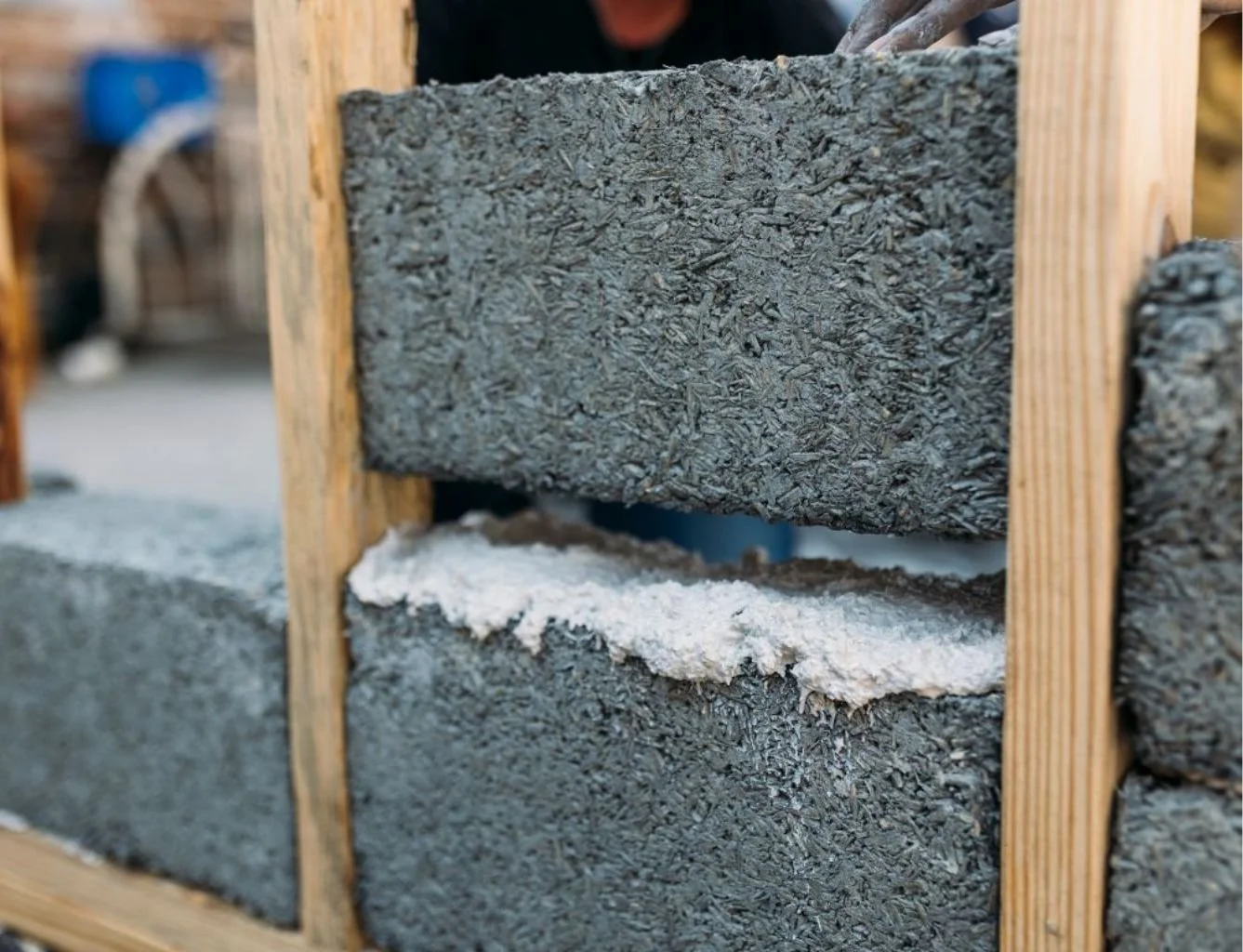
This is the traditional method. The hemp and lime mixture is placed between temporary forms attached to the framing and gently tamped into place. After curing, the forms are moved up the wall.
This approach works especially well for hands-on homeowners and small-scale construction. It requires less specialized equipment and offers a steady, controlled pace.
Spray Applied
Newer systems use compressed air to spray hempcrete into wall cavities. This approach is faster and can create very consistent density, typically used by professional crews on larger builds.
Both methods can perform beautifully when done correctly.
Important Design Considerations
Hempcrete is not structural. Your home will still need a properly engineered timber or steel frame to carry loads and resist wind or seismic forces.
Because it is breathable, hempcrete performs best in wall systems that allow moisture to move naturally. Lime or clay plasters allow moisture to pass through and dry out naturally. Plastic vapor barriers, on the other hand, can trap moisture and are usually avoided in hempcrete homes.
Even with a breathable wall system, good design details are essential. Roof overhangs, proper flashing, and keeping walls well above grade help protect hempcrete from prolonged moisture exposure.
What About Cost?
Compared to conventional framing with fiberglass insulation, hempcrete usually involves a higher initial investment. Installed costs range greatly per square foot of wall area, influenced by thickness, installation approach, and location. In general, plan to spend more than you would spend on fiberglass insulation.
However, it combines insulation and wall finish in one system, reduces heating and cooling demands, and is designed to last for generations. Few conventional materials support long-term sustainability in the same way.
For homeowners planning to live in their home for decades, the value proposition becomes much clearer.
Where Hempcrete Makes the Most Sense
Hempcrete is a natural fit for those who value sustainability and want to lower their carbon footprint, while also enjoying a home that breathes and manages moisture naturally. It works especially well for people planning to live in their home for the long term, who appreciate natural materials and healthy indoor air, and who are building a custom home with a hands-on, engaged design and construction team. That said, it may not be the right choice if your top priority is minimizing upfront costs, finishing a build quickly, or finding experienced installers in your area.
The Homestead Connection
For modern homesteads, hempcrete is a natural fit. It supports low-toxicity living, reduces reliance on heavy mechanical systems, and connects your home to agricultural cycles and regenerative farming. As domestic hemp processing expands, sourcing materials locally is becoming easier, making sustainable construction more accessible. This isn’t about following trends—it’s about creating homes that are solid, breathable, and truly connected to the land around them.
To make healthy, low-toxicity living even simpler, we’ve created our Healthy Homes Package. This resource provides curated specifications for bio-based building materials, fixtures, and finishes that minimize VOCs and other harmful chemicals. Whether you’re building new or renovating, it’s designed to help you create a healthier home—and it’s available for both our Traditional Plans and Hempstead Living collection.
The Bottom Line
Hempcrete is not hype. It is a proven, high-performance wall system with measurable benefits in thermal stability, moisture management, fire resistance, and carbon impact.
It requires thoughtful design and proper execution, and it is not the cheapest option. But for the right homeowner, it offers something rare in modern construction: a wall assembly that works with nature rather than against it.
At Root Down House Plan Co., we believe in homes that are resilient, healthy, and built to last. Hempcrete is one of the materials helping move that vision forward.
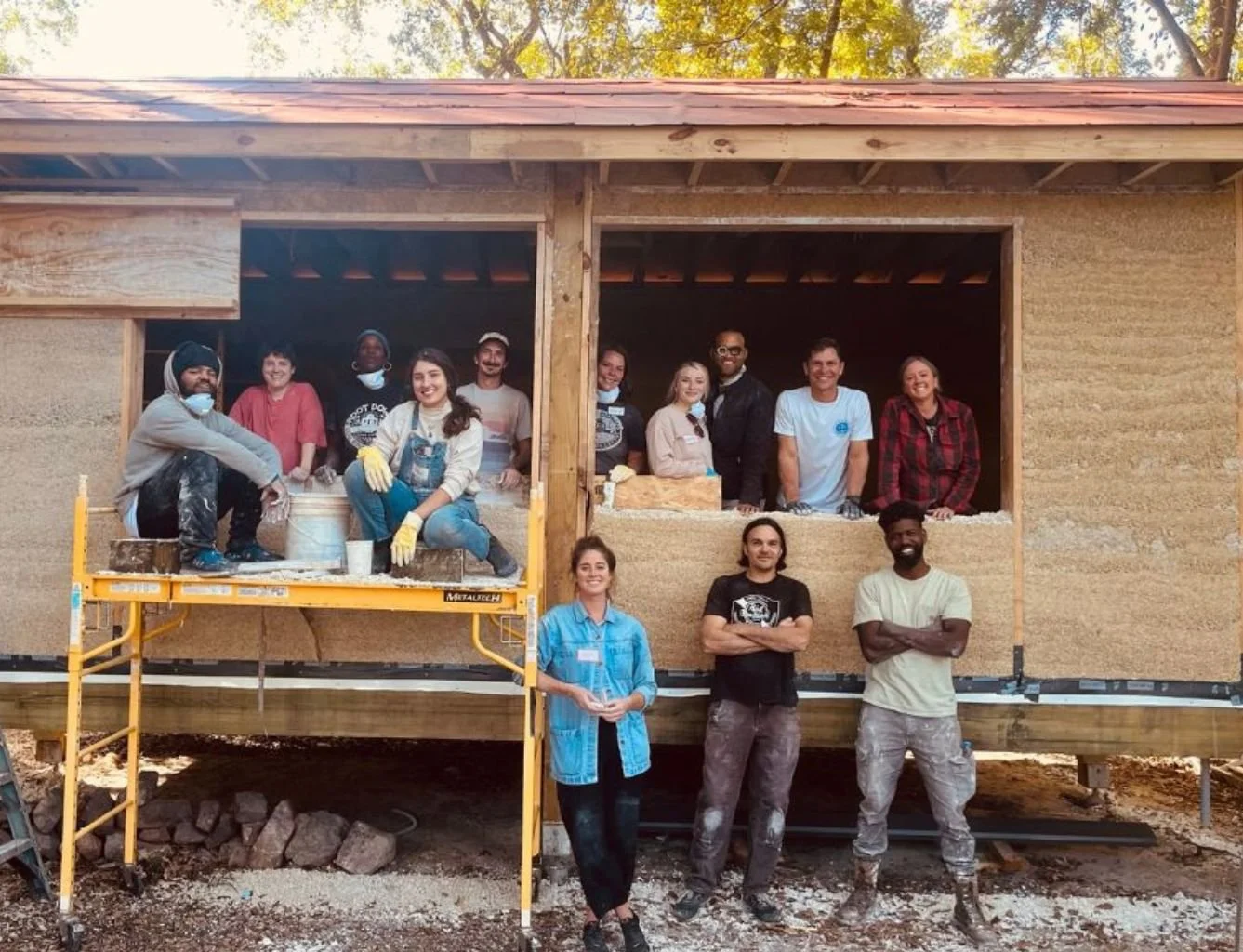
If you are curious about designing a hempcrete home, explore our Hempstead Living collection featuring house plans specifically created for bio-aggregate construction.
Have you considered hempcrete for your future homestead? We would love to hear your thoughts.