
Rethinking Home: The ADU Movement in 2026
If you’ve been thinking about adding space to your property, you’re not alone.
Accessory Dwelling Units (ADUs) have become one of the most practical and forward-thinking ways homeowners are expanding livable space while increasing long-term value. Whether it’s a private guest cottage, a rental that generates income, a backyard studio, or a comfortable space.
Our ADU house plans are designed so added space feels intentional, healthy, and beautifully integrated with your home and site. Below, we explore what ADUs are, why they’re gaining momentum in 2026, and what to consider as you imagine what’s possible on your property.
What Is an ADU?
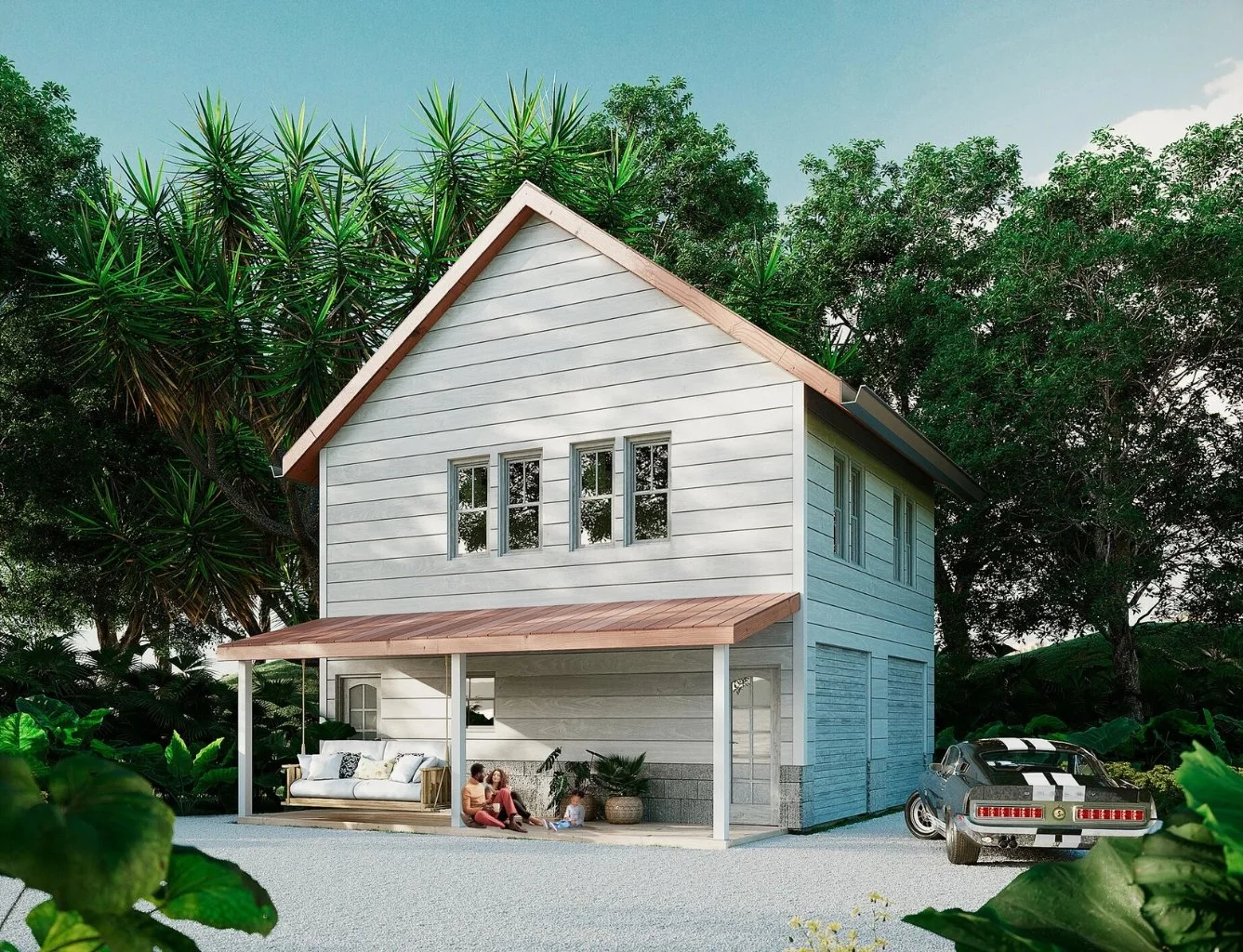
An ADU (Accessory Dwelling Unit) is a secondary housing unit located on the same property as a primary residence. It can be:
A detached backyard cottage
An attached addition
A converted garage or basement
A thoughtfully designed compact home
What makes it distinct is that it functions independently, with its own entrance, kitchen, bathroom, and living area.
But an ADU is more than additional square footage. It’s a way to create independence, opportunity, and long-term adaptability, all within the footprint of your existing property.
Why ADUs Are Growing in 2026
Across the country, several shifts are reshaping how homeowners think about space and long-term investment.
Multi-Generational Living
Families are choosing closeness with independence. ADUs allow aging parents, adult children, or extended family members to live nearby while maintaining privacy.
Rental Income + Financial Flexibility
With rising housing costs, many homeowners view ADUs as a strategic way to offset mortgages or generate supplemental income.
Remote Work + Creative Space
Backyard offices, studios, and quiet retreats are no longer luxuries , they’re practical solutions for modern living.
Evolving Zoning Regulations
Many cities and municipalities are updating regulations to encourage ADU construction, streamlining permitting, and supporting thoughtful density.
Health + Sustainability Awareness
Homeowners are increasingly prioritizing energy efficiency, healthier materials, and environmentally responsible building practices.
ADUs sit at the intersection of all these trends — adaptable, efficient, and future-focused.

Finding the Right ADU for Your Property
Selecting a plan isn’t simply about square footage. It’s about how the space will function in everyday life.
Start With Purpose
Are you building for family, renters, or a home office?
Privacy, storage needs, and layout priorities will vary depending on how the space will be used.
Consider Site Placement
Sun orientation, driveway access, yard flow, and existing landscaping all influence how livable and welcoming the ADU will feel. A thoughtful design works with your property — not against it.
Think About Size and Efficiency
Smaller units can feel remarkably comfortable when well designed. Natural light, intuitive circulation, and integrated storage make every square foot purposeful.
Align With Architectural Style
Your ADU can complement your existing home or provide a subtle contrast. Cohesion matters, not just aesthetically, but in long-term value and curb appeal.v
Designing for Health and Sustainability
Today’s ADU conversations increasingly include material selection and indoor environmental quality.
At Root Down House Plan Co., we design with long-term wellness in mind. Our Hempstead Collection features ADU plans specifically designed for hempcrete construction — a bio-based wall system renowned for its exceptional insulation performance, breathability, and durability. Hempcrete supports energy efficiency while reducing environmental impact. For a deeper look at how this material performs and why some homeowners are choosing it, read our full guide to hempcrete construction.

While Hempstead plans are optimized for hempcrete, our traditional ADU house plans can also be adapted for alternative building methods with thoughtful planning and an experienced builder.
For homeowners who want to extend that intention indoors, our Healthy Home Package offers curated guidance on healthier material selections, helping reduce exposure to harmful chemicals while improving indoor air quality.
Sustainability isn’t an upgrade. It’s a design principle.
Can You Build an ADU on Your Property?
Most properties can accommodate an ADU, but local regulations vary. Setbacks, size limitations, and permitting requirements differ by municipality.
Before beginning the design process:
Review local zoning regulations
Confirm allowable square footage
Understand utility connections
Consult with a builder or architect early
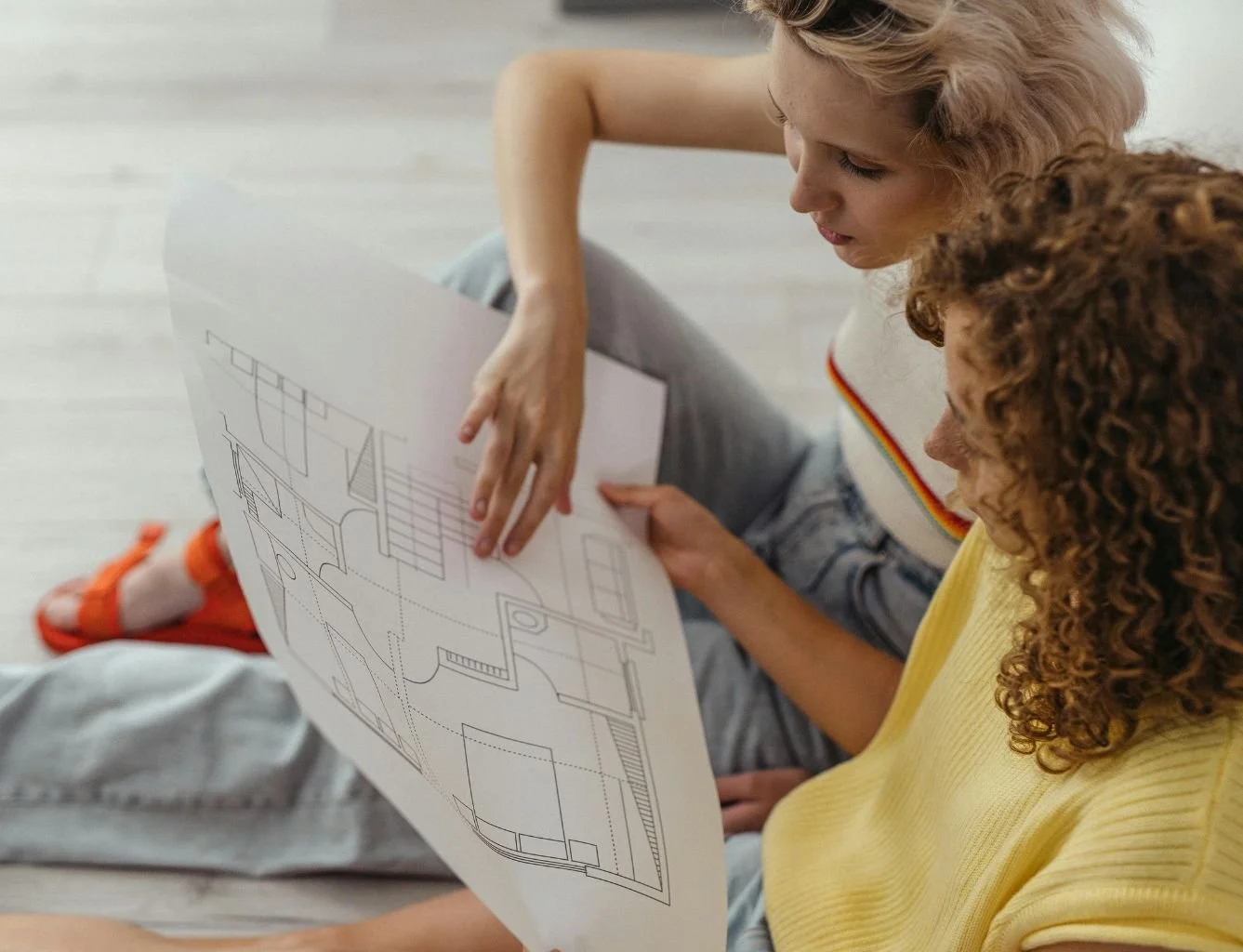
A well-designed plan paired with early professional guidance makes the process significantly smoother.
Why Root Down ADU Plans Are Different
Choosing a house plan shouldn’t feel overwhelming.
Our ADU house plans are:
Build-ready and clearly documented
Thoughtfully laid out for real living
Designed with natural light, flow, and comfort in mind
Rooted in climate-aware, sustainable principles
We carefully consider how kitchens and bathrooms function efficiently, where storage is truly needed, and how each room transitions comfortably into the next.
When you choose a Root Down plan, you’re not simply purchasing drawings. You’re stepping into a design philosophy that values intention, livability, and long-term resilience.
The Long-Term Value of ADUs
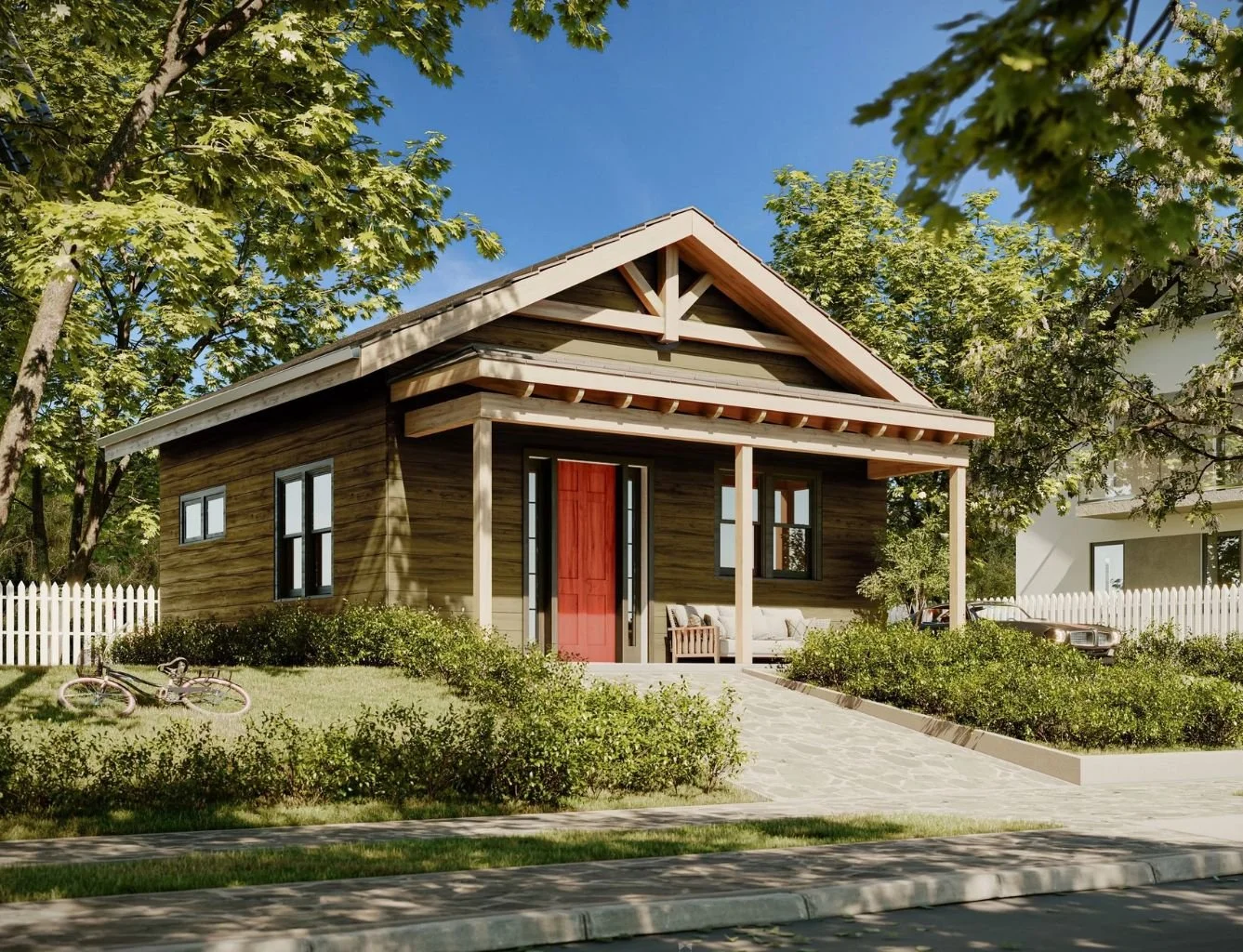
An ADU allows your property to evolve as life changes.
It may begin as a rental. Later, it becomes a guest space. Eventually, it may serve as a home for the family. Rather than remaining unused, your backyard becomes an active and meaningful extension of your home.
With the right design, an ADU enhances everyday living while strengthening the long-term value of your property.
Ready to Explore ADU Plans?
If you’re imagining what your property could become, you’re already thinking intentionally.
Browse our collection of thoughtfully designed ADU house plans and discover layouts that balance efficiency, beauty, and sustainability. Whether you’re drawn to something modern, cottage-inspired, or designed for alternative construction, there’s a plan that aligns with your vision and your site.
Build with intention. Design for the life you’re living , and the one you’re growing into.