
The Healthy Home Renovation Guide: What to Replace and What to Look For
When you renovate, you get a rare opportunity most homeowners never think to take. The chance to choose better materials this time. The floors, the paint, the fixtures — everything coming out can be replaced with something that actually supports your health instead of quietly working against it. And the best part? Healthy materials have never looked better.
This is your practical guide to doing exactly that.
Paint and Wall Finishes
Paint is the easiest place to start and one of the highest impact swaps you can make. Conventional paints are among the largest sources of VOC exposure in the home, releasing harmful gases not just during application but for months afterward.
What to look for: zero-VOC or low-VOC paint with third-party certification. GREENGUARD Gold is one of the most reliable certifications for indoor air quality. Declare labeled products go even further, disclosing every ingredient.
For walls, consider mineral-based finishes like lime wash or clay paint. They are naturally VOC-free, breathable, and resistant to mold. Brands like Keim, Bauwerk, and Earthborn offer beautiful, design-forward options that perform better over time than conventional acrylic paints.
Flooring
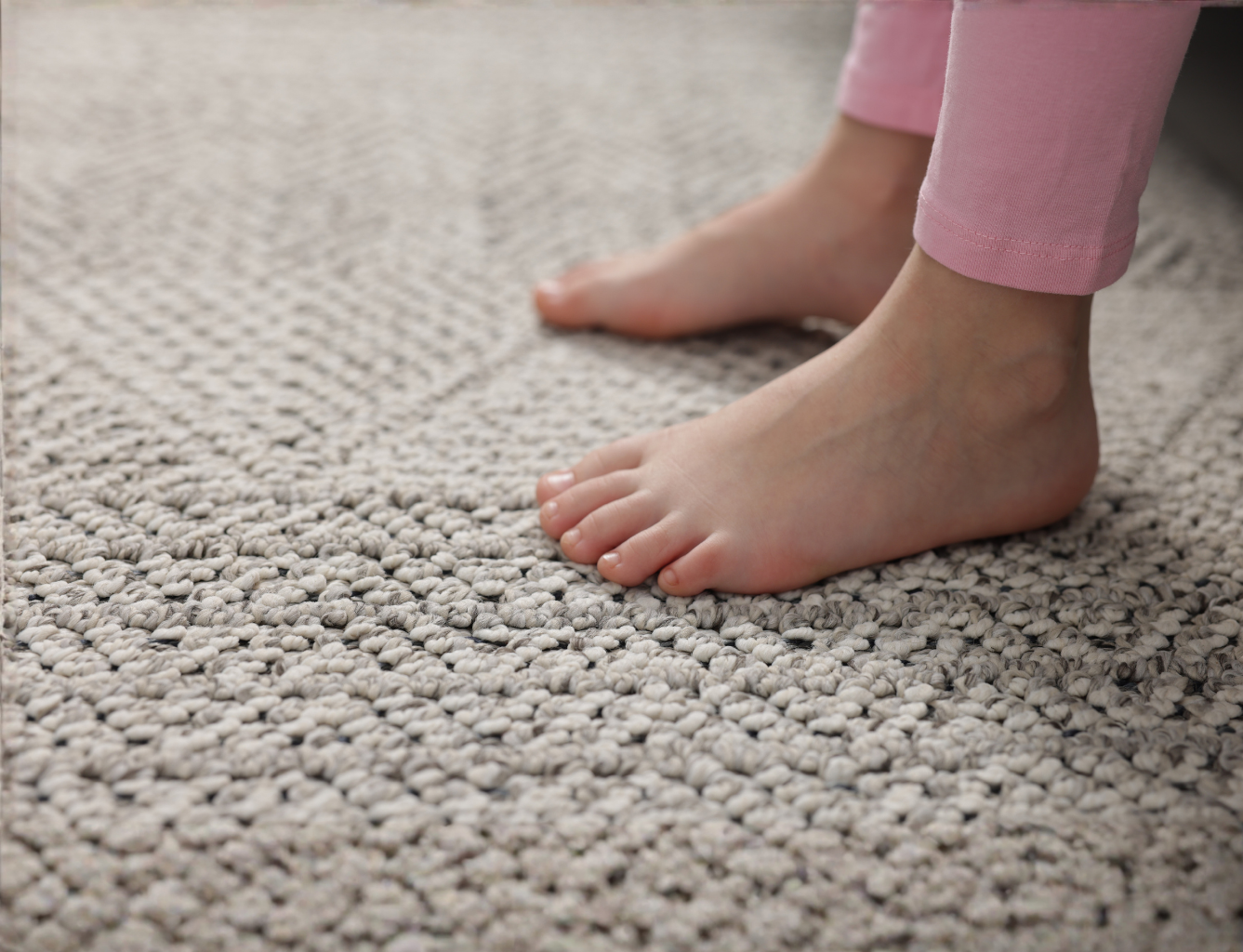
Flooring covers every inch of your home and is in constant contact with your family, especially children. Conventional options like vinyl and synthetic carpet are among the biggest sources of phthalates, formaldehyde, and VOCs in residential interiors.
Healthier alternatives for every budget:
Solid hardwood is one of the cleanest options when finished with water-based, low-VOC sealers.
Cork is naturally antimicrobial, comfortable underfoot, and made from a renewable resource.
Linoleum — not vinyl — is made from linseed oil, pine resin, and wood flour, and is one of the most durable and non-toxic flooring options available.
Natural stone and ceramic tile are inherently inert; just pay attention to the grout and adhesive you use alongside them.
What to avoid: vinyl plank flooring, synthetic wall-to-wall carpet, and any flooring installed with solvent-based adhesives.
Kitchen
The kitchen combines heat, moisture, and a high density of materials, making it one of the most important rooms to get right.
Cabinets: Most conventional cabinets are made from particleboard or MDF bonded with formaldehyde-based adhesives. Look for solid wood or FSC-certified plywood with non-toxic finishes. Ask manufacturers for CARB2 compliance or Declare certification.
Countertops: natural stone, stainless steel, and solid wood are the healthiest options. Avoid plastic laminate and be cautious with some engineered quartz products that use resin binders.
Fixtures: look for fixtures that are lead-free certified. Many conventional faucets contain brass fittings with lead content that can leach into drinking water.
Bathroom
Bathrooms are high-moisture environments that demand materials resistant to mold without relying on chemical treatments.
Tiles and grout: ceramic and porcelain tiles are a safe, inert choice. For grout, choose epoxy-based or cement-based options with low VOC content and mold-resistant properties without added biocides.
Fixtures and faucets: same as the kitchen — always look for lead-free certification.
Sealants and caulking: conventional caulks often contain fungicides and VOCs. Look for low-VOC, mold-resistant silicone caulk from brands that disclose their ingredients.
Ventilation: a properly sized exhaust fan is non-negotiable. Moisture control is the single best defense against mold in a bathroom.
The Details That Matter
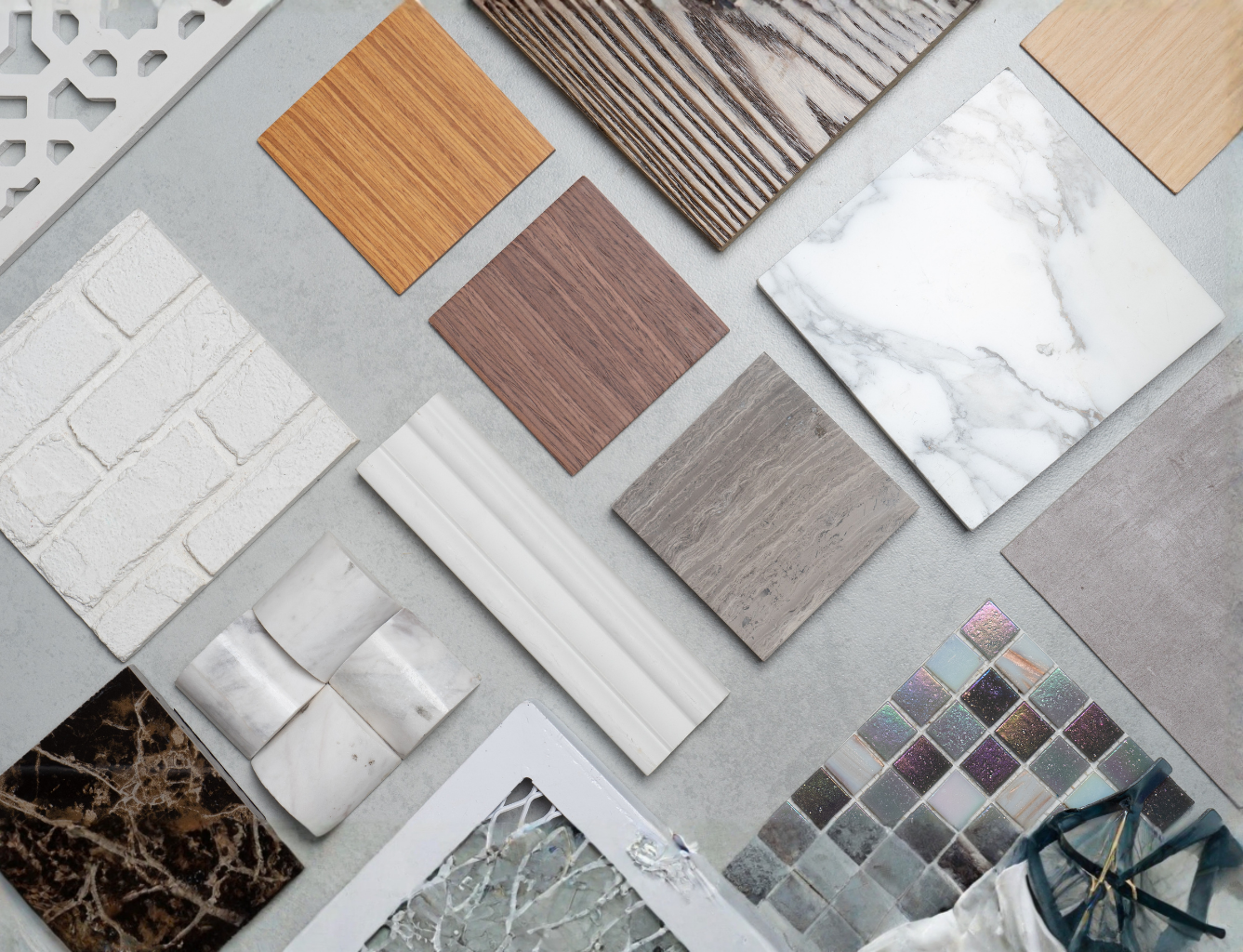
The big ticket items get the most attention, but the smaller details add up quickly.
Adhesives and sealants: choose solvent-free, water-based options wherever possible. This applies to flooring adhesives, tile setting mortars, and construction adhesives.
Insulation: Mineral wool and cellulose are healthier alternatives to petrochemical foam insulation. Both have excellent thermal and acoustic performance without the off-gassing concerns.
Hardware and finishes: look for powder-coated or solid metal options over plastic-coated hardware. Small surfaces, big cumulative impact.
How to Shop: Certifications Simplified
Walking into a showroom or browsing product pages can be overwhelming. Here are the certifications worth trusting:
GREENGUARD Gold: tests for chemical emissions and is particularly relevant for products used in schools and healthcare environments. A strong baseline for any home.
Declare Label: a full ingredient disclosure label developed by the Living Future Institute. Think of it as a nutrition label for building materials. Products can be Declared, Red List Free, or Living Product Challenge certified.
EPD (Environmental Product Declaration): focuses on the environmental impact of a product over its lifecycle. Useful for understanding embodied carbon and global warming potential.
HPD (Health Product Declaration): focuses on the health impacts of a product's ingredients. Complements the EPD by looking at human health rather than environmental impact.
You do not need to become an expert in all of these. You just need to know they exist and ask for them.

Let Us Do the Research For You
If this feels like a lot, that is exactly why we created the Healthy Homes package. It is a 600+ page curated catalog of bio-based, low-VOC interior materials vetted across every category in this guide — from flooring to fixtures to sealants. Every product meets our standard for human and environmental health, and the documentation is included so you never have to chase down a certification on your own.
It is included in every Root Down plan and available for purchase separately for anyone renovating an existing home.
Explore the Healthy Homes package here.