
Building for the Planet Starts at Home
Every year on April 22nd, the conversation shifts. People think about the planet, about what we're leaving behind, about whether the choices we make today are building toward something better or quietly chipping away at it.
At Root Down House Plan, we think about that every single day, not just on Earth Day. Because the homes we design are not just spaces to live in, they are the most personal intersection of human health and environmental impact most of us will ever encounter.
This Earth Day, we want to talk about both sides of that intersection. What your home is made of on the outside. And what it is made of on the inside. Because a truly sustainable home has to address both.
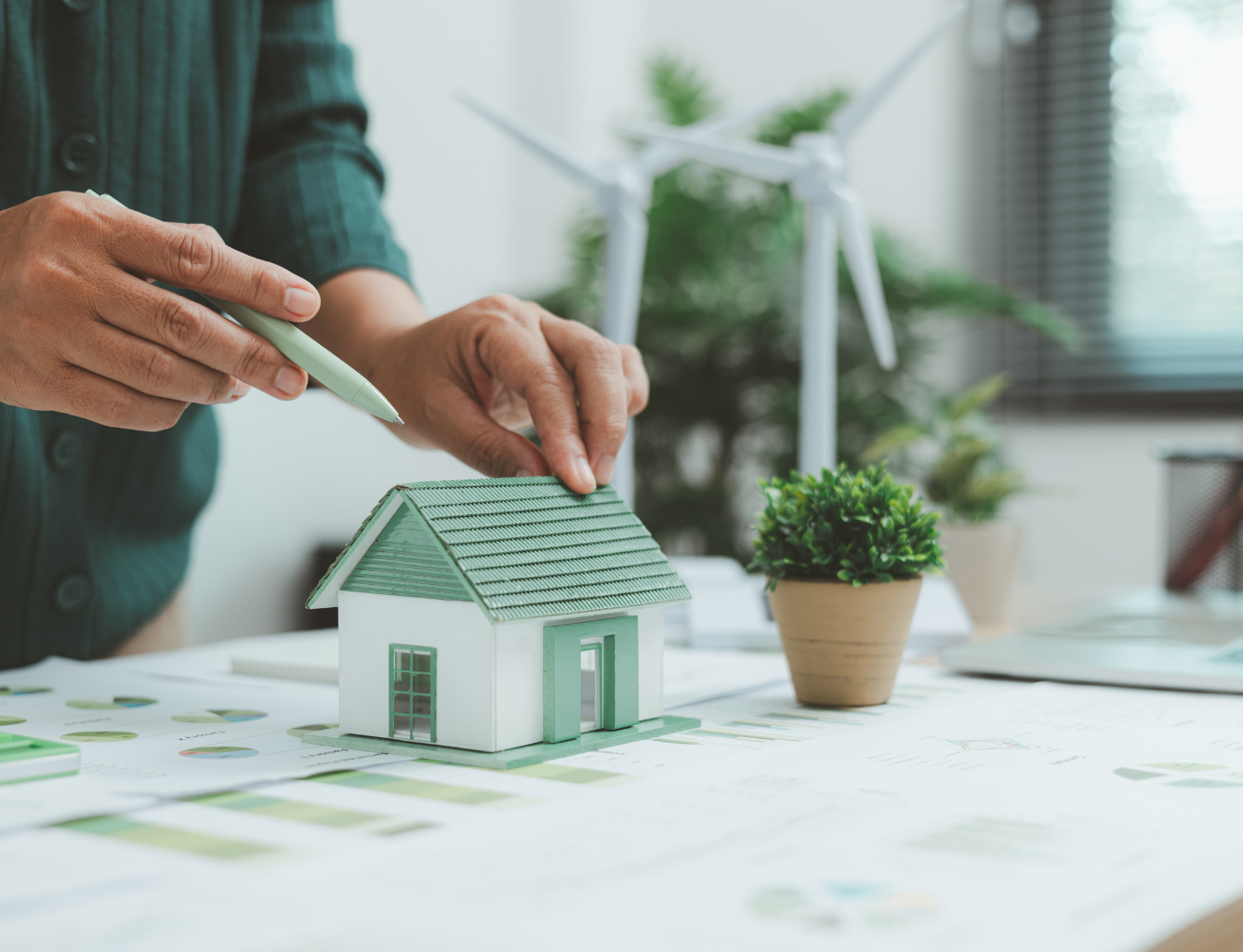
The walls themselves: why building materials matter for the planet
When most people think about sustainable living, they think about solar panels, electric vehicles, or reducing plastic waste. Rarely do they stop to think about the walls of their home.
The construction industry is one of the largest contributors to global carbon emissions, with conventional building materials such as concrete and synthetic insulation carrying enormous embodied carbon. Their manufacturing processes are energy-intensive, and once they are in place, they do not give anything back.
Hempcrete changes that equation.
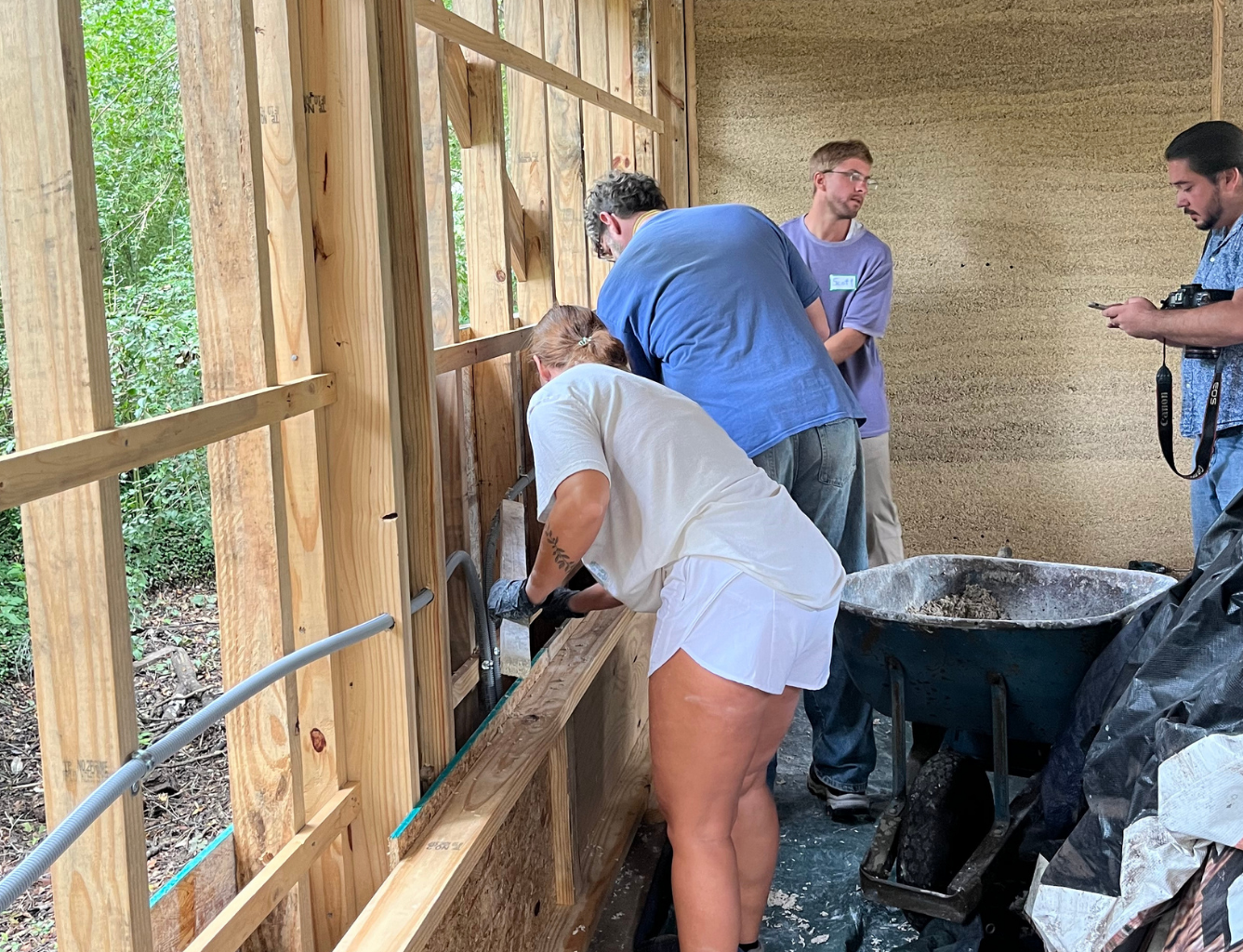
Made from the hemp plant's woody core mixed with a lime-based binder, hempcrete is one of the few building materials proven to be carbon negative over its lifetime. Hemp absorbs CO2 as it grows. That carbon stays locked in the wall long after construction is complete. The material is also naturally breathable, vapor-permeable, and resistant to mold — making it as good for the building as it is for the planet.
It is why we built our Hempstead Living collection around it, and why we recently partnered with Homeland Hempcrete to bring these homes to life across the country. Building sustainably also starts with understanding how it works, which is why our sister nonprofit Root Down Building Collective offers hands-on hempcrete workshops for those who want to learn the craft firsthand. If you are interested in getting your hands dirty, explore the upcoming workshops on their website.
The interior: what is hiding inside your home
Here is something most homebuilders do not talk about enough. You can build the most environmentally responsible structure on the outside and still fill it with materials that are harming the people living inside.
Conventional interior finishes — flooring, paint, adhesives, fixtures — are filled with VOCs (volatile organic compounds), formaldehyde, and what the building industry calls Red List chemicals. These are substances linked to respiratory issues, hormonal disruption, and long-term health effects. They do not disappear after installation. They off-gas into the air you breathe, sometimes for years.
We wrote about this in depth in What Makes a Healthy Home? But the short version is this: the interior of your home deserves the same level of intention as the structure around it.
Bringing it together: our approach to the whole home
At Root Down, we have always believed that sustainable building is not a single decision. It is a series of decisions made at every layer of the home.
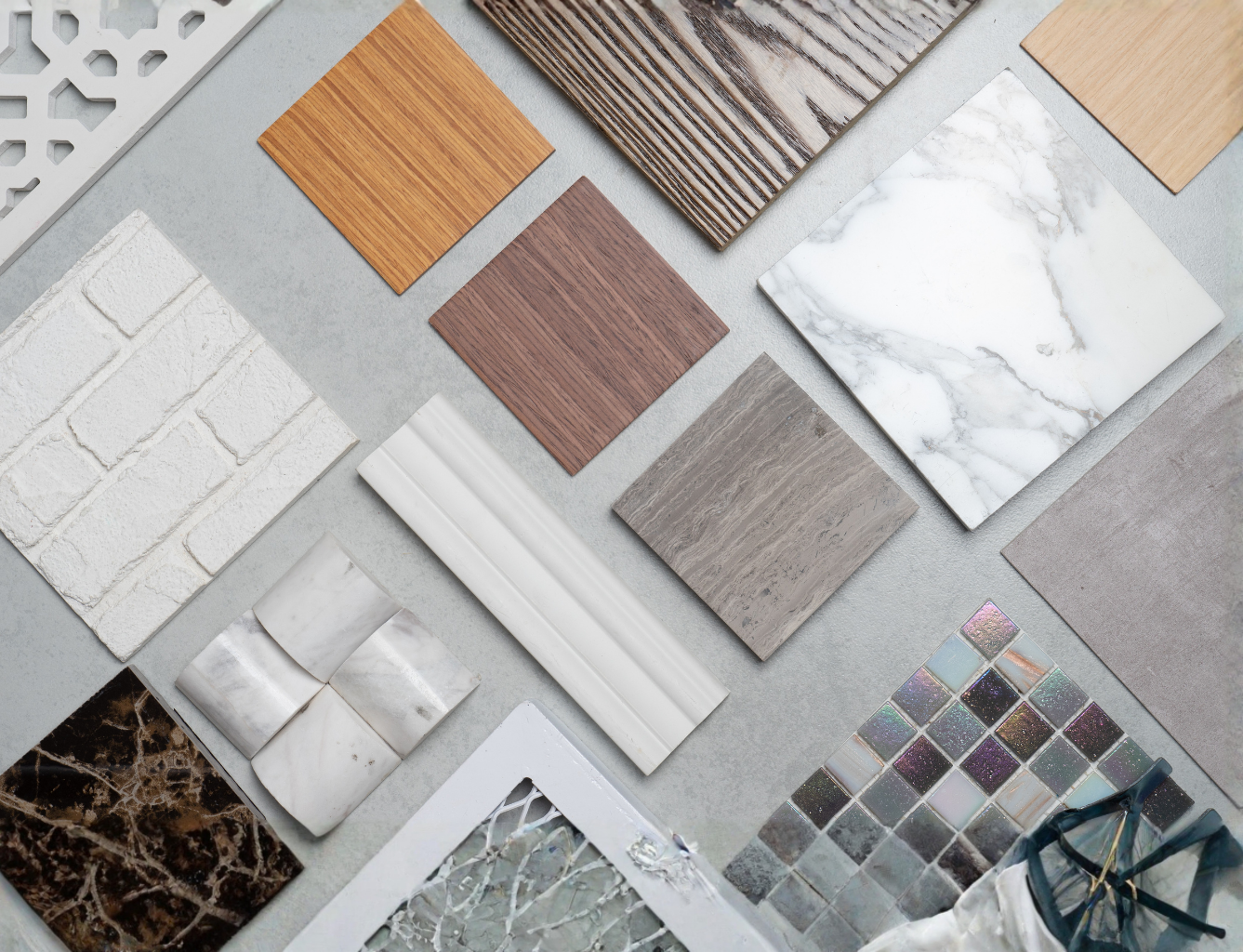
That is why every plan we offer includes our Healthy Homes package. It is a 600+ page curated catalog of bio-based, low-VOC interior materials vetted for human and environmental health.
From flooring to plumbing fixtures, every product in the catalog meets our three-part standard: it minimizes harmful VOCs and Red List chemicals, it is ethically and regionally sourced, and it is climate-sensitive with a low global warming potential. It is also available for purchase separately for those who want to apply it to any home, new build, or renovation.
We did not build this catalog to check a box. We built it because we would use every product in our own homes. And because we believe the people building with our plans deserve to know exactly what they are putting inside their walls.
This Earth Day, that feels worth saying out loud.
A home that is good for you and the planet
Hempcrete walls that pull carbon from the atmosphere. Interiors free from the chemicals most homebuilders never question. A design process that treats environmental and human health as inseparable.
This is not a future vision. It is what we are building right now. And this Earth Day, we invite you to build that way too.
Explore our Hempstead Living collection and Healthy Homes package to see what that looks like in practice.