
What Makes a Healthy Home? A guide to the hidden threats inside your walls — and what to do about them.
What Makes a Healthy Home?
A guide to the hidden threats inside your walls — and what to do about them.
When we think about keeping our families healthy, we obsess over what we eat, how much we sleep, and how often we exercise. But there's a silent variable most of us completely overlook: the home itself. The paints on your walls, the flooring under your feet, the adhesives holding your cabinets together can all release invisible chemicals that affect your hormones, your lungs, and your long-term health.
The good news? A healthy home is entirely achievable when you know what to look for. Here's a deep dive into every layer of the conversation.
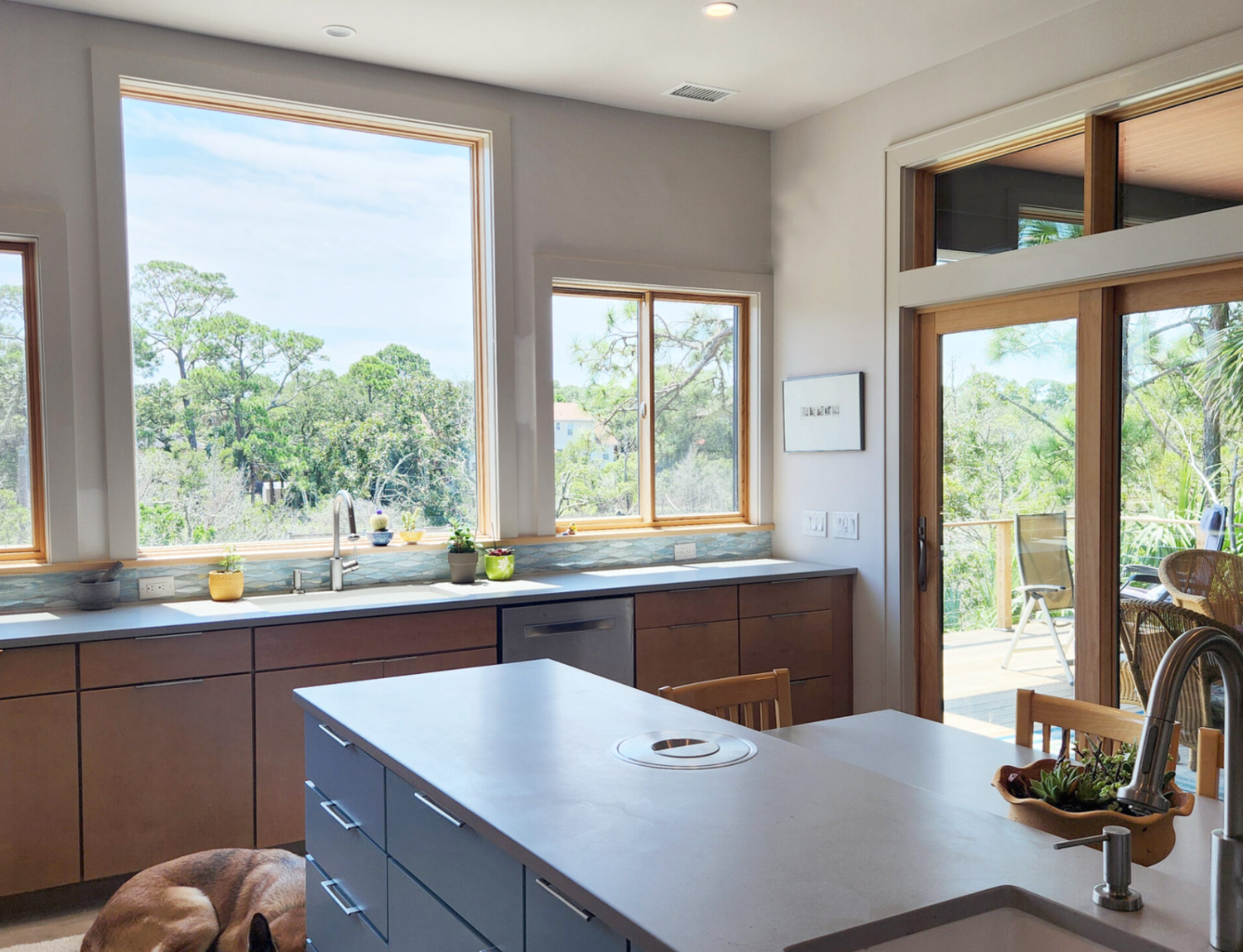
1. Red List Free: Starting with the Worst Offenders
The Living Future Institute's Red List is the building industry's most comprehensive catalog of chemicals to eliminate. It includes formaldehyde, phthalates, heavy metals, halogenated flame retardants, and PVC, all chemicals found in common construction products that are linked to cancer, reproductive harm, and developmental damage in children.
"Red List Free" means a product has been verified to contain none of these substances. When building or renovating, asking manufacturers for Red List compliance documentation or choosing products certified under the Living Product Challenge is one of the highest-impact steps you can take.
This isn't a fringe concern. The U.S. Environmental Protection Agency (EPA) estimates Americans spend approximately 90% of their time indoors, where concentrations of some pollutants are 2 to 5 times higher than typical outdoor levels. The materials in your home are a primary source.
2. VOC Free: The Air You Breathe Every Day
Volatile Organic Compounds (VOCs) are gases emitted by hundreds of common household products: paints, varnishes, cleaning supplies, adhesives, and new furniture. Short-term exposure causes headaches, dizziness, and eye irritation. Long-term exposure to certain VOCs, particularly benzene, toluene, and formaldehyde, is linked to liver and kidney damage and, in some cases, cancer.
What to look for:
Zero-VOC or Low-VOC paints (look for third-party certifications like GREENGUARD Gold or Declare)
Solvent-free adhesives for flooring, tile, and millwork
Water-based finishes over oil-based alternatives
Be aware: a product labeled "low odor" is not the same as low-VOC. Many odorless solvents still off-gas harmful compounds. Always check the Safety Data Sheet (SDS) or request a third-party test.

3. Mineral-Based Finishes: Back to Basics
One of the most elegant solutions to the VOC problem is also one of the oldest: mineral-based finishes. Lime plaster, lime wash, clay paint, and silicate (Keim) paints have been used for centuries. They are made from naturally occurring minerals, have minimal or zero VOC content, and offer remarkable durability.
Beyond chemistry, they have practical advantages:
Breathability: mineral finishes allow walls to regulate moisture, reducing the risk of trapped condensation and mold growth
Alkalinity: lime-based finishes create a naturally alkaline surface that is inhospitable to mold and bacteria
Longevity: Mineral paints don't peel or chip the way acrylic coatings do over time
Brands like Keim, Bauwerk, Earthborn, and Pure & Original have brought mineral finishing into the modern market with beautiful, design-forward palettes.
4. Plastic Free: Rethinking What We Build With
Plastic is everywhere in the built environment: PVC pipes, vinyl flooring, plastic laminate cabinets, synthetic carpet, and foam insulation. The problem isn't just landfill. It's what plastics release over their lifetime. PVC requires plasticizers (often phthalates) to remain flexible, and those phthalates migrate out of the material and into the air and dust of your home.
Healthier alternatives exist for nearly every category:
Flooring: solid hardwood, cork, linoleum (made from linseed oil, very different from vinyl), or natural stone
Cabinetry: solid wood or FSC-certified plywood with non-toxic finishes instead of plastic laminate
Pipes: copper or PEX-a over PVC where feasible
Insulation: mineral wool, cork board, or cellulose over petrochemical foam
The goal isn't perfection. It's informed substitution wherever the opportunity arises.

5. Endocrine Disruptors: The Invisible Hormonal Threat
Endocrine disruptors are chemicals that interfere with the body's hormone system. At low doses, over long periods of time, they've been linked to thyroid disorders, fertility issues, early puberty in children, obesity, and certain cancers. The concerning part? Many are ubiquitous in conventional building materials.
Common endocrine disruptors found in homes include:
Bisphenol A (BPA) and BPS: found in polycarbonate plastics and epoxy resins used in pipe linings
Phthalates: plasticizers in PVC products, synthetic flooring, and some paints
Halogenated flame retardants (HFRs): added to foam furniture, carpet padding, and electronics
PFAS (known as "forever chemicals"): found in non-stick cookware, stain-resistant carpet treatments, and water-repellent coatings
The exposure isn't dramatic. It's cumulative and chronic. Dust is often the primary route of exposure for children, who crawl on floors and put their hands in their mouths. Choosing materials that don't shed these compounds is one of the most meaningful things a parent can do.
Not sure where to start with product selection? Root Down House Plan's Healthy Homes package covers vetted, non-toxic product recommendations across every system of the home: flooring, paints, cabinetry, insulation, plumbing, and more. The research has already been done for you.

6. Mold: The Unwanted Resident
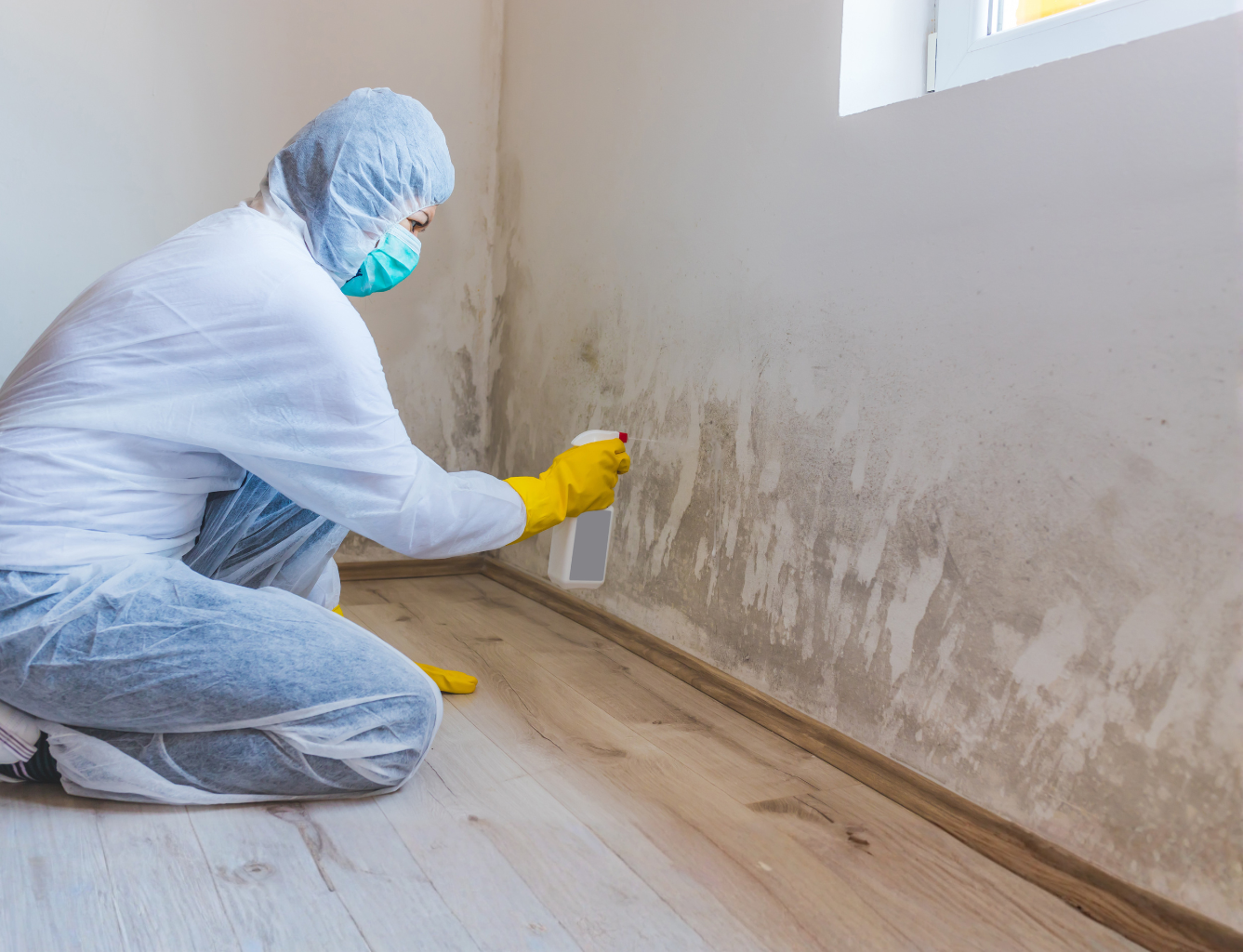
Mold doesn't announce itself. It grows silently behind walls, under flooring, and in HVAC systems. By the time it's visible, the problem is often significant. Beyond structural damage, mold releases mycotoxins that can cause respiratory illness, fatigue, and cognitive impairment; in immunocompromised individuals, they can cause serious systemic disease.
Prevention is architectural as much as behavioral:
Proper vapor management at the building envelope: getting insulation, vapor barriers, and drainage planes right the first time
Mechanical ventilation: homes are increasingly airtight and need deliberate fresh air exchange (ERV/HRV systems)
Humidity control: maintaining indoor relative humidity between 30 and 50 percent
Mold-resistant materials: glass-faced drywall, cement board, and lime plaster in wet areas over paper-faced gypsum
If you suspect mold in a home you're buying or renovating, an independent mold inspection (not just a surface swab but a full air quality test) is money extremely well spent.
7. Indoor Air Quality: The Full Picture
Indoor air quality (IAQ) is the sum of all the chemical, biological, and particulate factors in the air inside your home. VOCs are a major contributor, but far from the only one. Mold spores, combustion byproducts from gas ranges and fireplaces, radon, pet dander, dust mites, and cooking particles all play a role.
A layered approach to IAQ:
Source reduction: eliminate or reduce the offending material (the strategies throughout this guide)
Ventilation: bring in fresh outside air consistently and intentionally (ERV stands for Energy Recovery Ventilation; HRV for Heat Recovery Ventilation)
Filtration: MERV-13 filters in HVAC systems and standalone HEPA air purifiers in bedrooms
Monitoring: smart air quality monitors like Airthings or IQAir give real-time feedback and help identify sources
Opening windows isn't always the answer. If you live near a busy road, you may be trading indoor pollutants for outdoor PM2.5. Controlled mechanical ventilation with filtration is the gold standard.
It's also worth considering the role that building materials themselves play in regulating air quality from the start. Hempcrete, for example, is a natural, breathable material that passively regulates humidity and temperature, reducing the conditions that allow pollutants and mold to build up in the first place. It's the kind of material-level thinking that makes indoor air quality a design decision, not just a mechanical one.
If you're drawn to building with materials like these from the ground up, Root Down's Hempstead Living collection is designed around exactly that philosophy: homes that are healthy by design, not by afterthought.
A Story That Puts It All in Perspective
In an 85-mile stretch of Louisiana between Baton Rouge and New Orleans, over 150 petrochemical plants line the banks of the Mississippi River. The communities living there, predominantly Black and low-income, have documented cancer rates among the highest in the nation. Residents of St. John the Baptist and St. James Parish live surrounded by chloroprene and ethylene oxide emissions that exceed EPA acceptable risk thresholds by extraordinary margins. They call it Cancer Alley.
Most of us will never live next to a petrochemical plant. But the same chemicals produced in those facilities end up in the paints on our walls, the flooring under our feet, and the adhesives holding our cabinets together. The difference is that we get to choose. The residents of Cancer Alley don't.
Choosing healthier materials for your home isn't only a personal health decision. It's a vote for a different kind of manufacturing economy.
The Design World Is Catching Up
The Material Lab at Parsons School of Design in New York is one of the most telling signs that this conversation has moved into the mainstream. It maintains a curated library of materials, including textiles, surfaces, finishes, and systems, evaluated not just for aesthetics but for health and environmental impact. The question is no longer just "does this look good and perform well?" but "where did this come from, what is it made of, and what happens to it when it's no longer needed?"
Other material resource libraries worth exploring include the ILFI's Declare database, the Cradle to Cradle Products Innovation Institute, and the Material ConneXion library, all designed to help specifiers find products that meet rigorous health and sustainability criteria.
The U.S. Department of Housing and Urban Development has long promoted a set of Healthy Homes Principles: keeping homes dry, clean, pest-free, safe, contaminant-free, ventilated, maintained, and thermally comfortable. The World Health Organization's Housing and Health Guidelines, updated in 2018, reinforce this with evidence linking cold homes to cardiovascular disease, crowded homes to infectious disease transmission, and mold exposure to childhood asthma.
A healthy home isn't a luxury product. It's a design intention. And the decisions that matter most are made long before anyone moves in.
Ready to Build a Healthier Home?
The resources above are invaluable, but they were built for architects and specifiers, not homeowners. Navigating certification databases, cross-referencing product categories, and filtering out what doesn't apply to residential building takes dozens of hours, and even then, you need to know what you're looking for.
Root Down House Plan’s Healthy Homes package translates all of that work for you.
It’s a 600+ page curated guide covering every major system in your home: flooring, paints and finishes, cabinetry, insulation, plumbing fixtures, textiles, and more. Everything is written in plain language, with vetted product recommendations, brand comparisons, and sourcing guidance already done.
No certification jargon.
No endless research rabbit holes.
Just clear, confident guidance from professionals who have spent years working in healthy building.
You can spend weeks piecing this information together yourself. Or you can start building your healthier home today.
Explore the Healthy Homes Package to get started.