
Can You Build a Hempcrete House in the U.S.? What Homeowners Need to Know Before Buying Plans
Interest in hempcrete homes has grown rapidly in recent years as more homeowners seek natural, energy-efficient building materials. Hempcrete, a mixture of hemp hurds (the woody core of the hemp plant) and a lime-based binder, creates a breathable wall system that provides insulation, durability, and a lower environmental impact than many conventional building materials. To learn more about how hempcrete works and why it is gaining popularity in sustainable home construction, you can read our in-depth article here.
If you have already been exploring hempcrete house plans, you have likely asked the same question most homeowners ask before committing to a project:
Will my building department approve it?
The encouraging news is that hempcrete is becoming increasingly recognized within modern building codes. Depending on where you live, the approval process may vary slightly, but understanding how building codes work can help you move forward with confidence.
Hempcrete Is Now Included in the Residential Building Code
A major step forward for hempcrete construction came when the International Code Council added hemp-lime construction to the 2024 edition of the International Residential Code.
This update introduced Appendix BL – Hemp-Lime Construction, which provides standardized guidance for how hempcrete can be used in residential buildings.
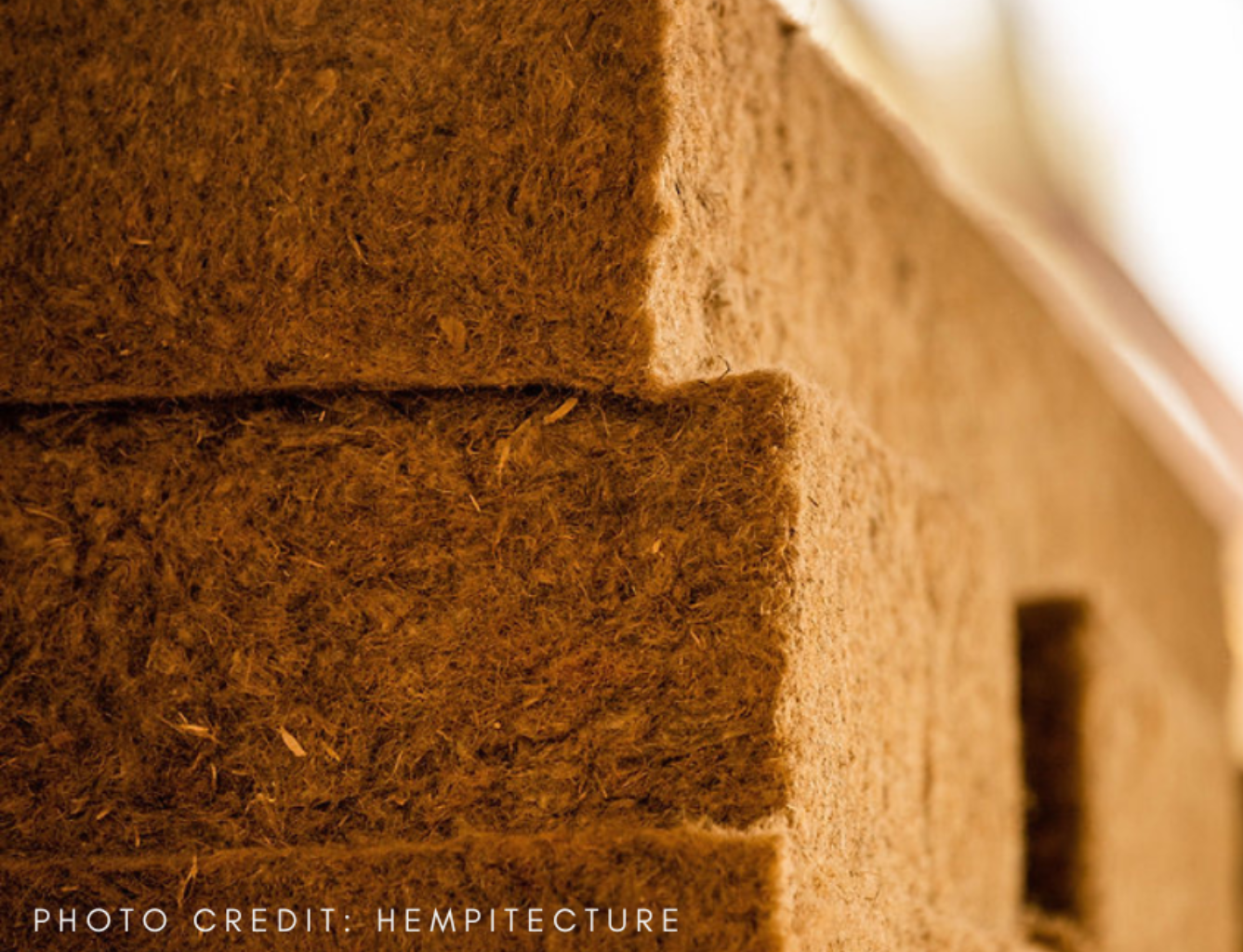
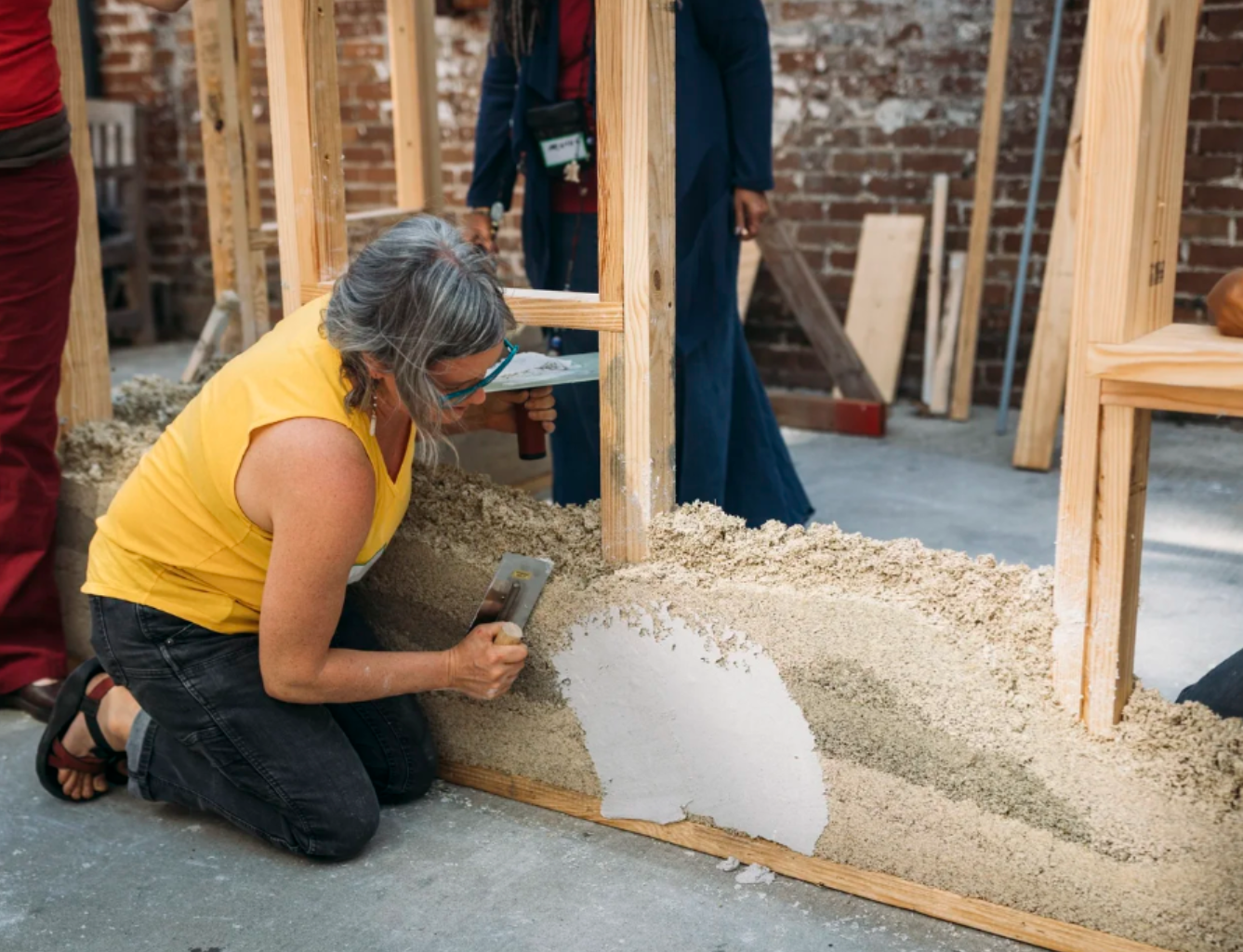
Under this appendix, hemp-lime is recognized as a non-structural insulating infill material that works together with a structural frame. In other words, the hempcrete forms the insulating portion of the wall, while the structural framing — typically wood framing or timber framing — supports the building loads.
For homeowners exploring sustainable house plans, this code recognition is an important milestone. It means hempcrete is no longer a fringe material; it has a defined place in residential construction standards.
Why Some Areas Still Use Older Building Codes
Even though hempcrete is now included in the 2024 code, many cities and counties across the U.S. still use earlier editions — typically IRC 2018 or IRC 2021.
This is because building codes in the U.S. are not adopted simultaneously nationwide. Each state, and sometimes individual cities or counties, must formally adopt a new code before it becomes locally enforceable. That process can take several years.
Where things currently stand:
Some states currently use IRC 2018
Others have adopted IRC 2021
A smaller number are beginning to transition to IRC 2024
Because hemp-lime construction was added to the IRC in 2024, jurisdictions using earlier codes may not yet have specific language addressing hempcrete, but that does not mean it can't be approved.
Most building codes include provisions for alternative materials and construction methods that can be reviewed and approved when they demonstrate equivalent safety and performance. This is how many innovative materials — from structural insulated panels to modern insulation systems — were first introduced before becoming code standard.
As more jurisdictions adopt updated codes over the coming years, hemp-lime construction is expected to become much easier to permit across the United States.

Is Hempcrete Fire Safe?
A common misconception is that hempcrete might be flammable because it contains plant fibers. In reality, the finished material behaves very differently from raw hemp.
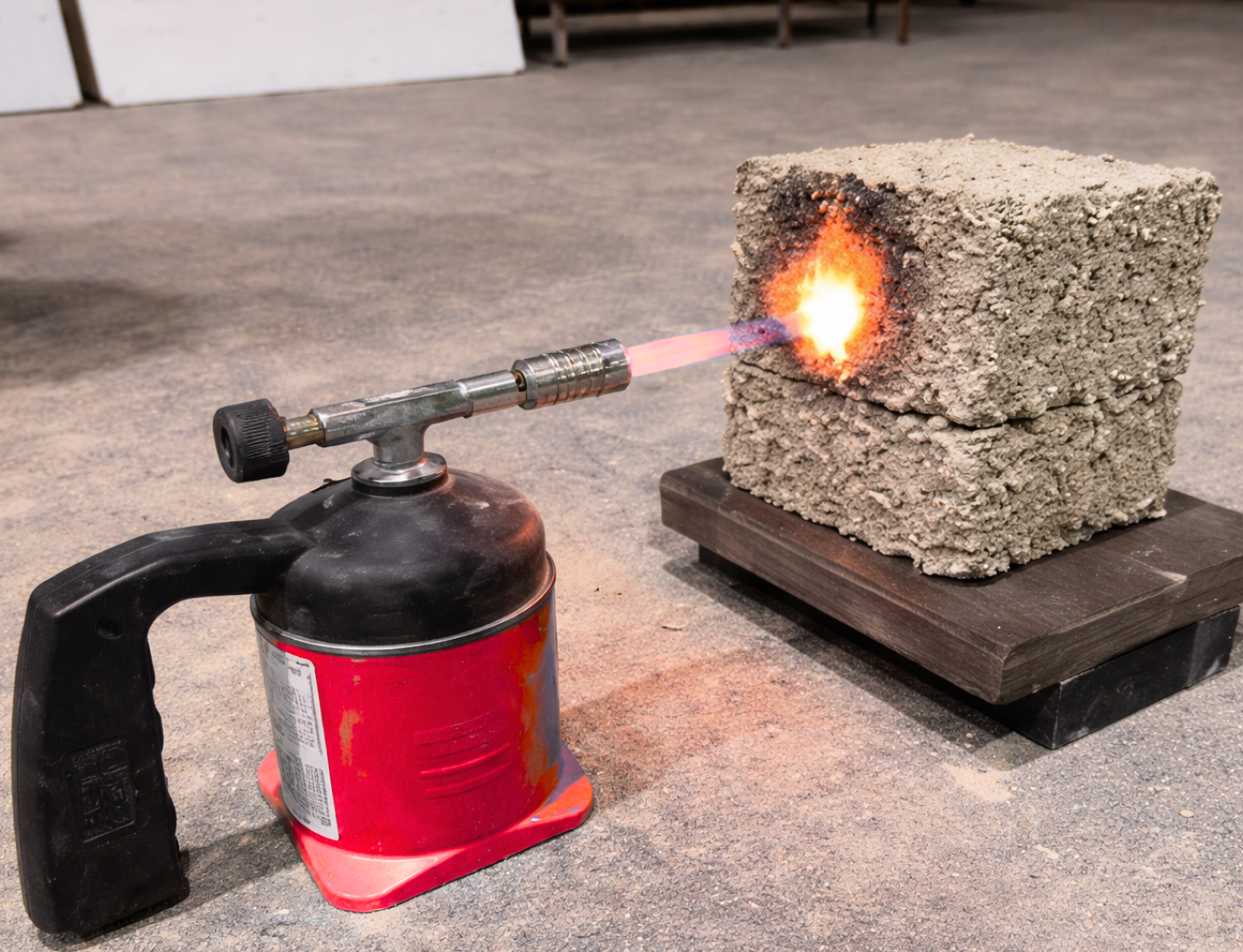
The lime binder used in hempcrete is naturally non-combustible, and it coats the hemp particles as the material cures. This creates a mineralized structure that helps resist ignition and slows the spread of flames.
In standardized fire testing environments, hemp-lime assemblies have demonstrated:
extremely low flame spread
minimal smoke development
strong fire-resistance performance
Certain hemp-lime wall assemblies have also achieved fire-resistance ratings of up to one hour, depending on the wall design and thickness.
These characteristics are one reason hempcrete has been used in Europe for decades and is gaining increasing attention in North American sustainable construction.
Hempcrete Homes Are Already Being Permitted in the U.S.
Although hempcrete construction is still considered an emerging building method in the United States, it is far from experimental.
A growing number of homes and accessory structures have already been successfully permitted using hemp-lime wall systems.
Projects we have helped gain approval in the following states:
California
Colorado
Massachusetts
North Carolina
South Carolina
As more architects, builders, and building officials gain experience with hemp-lime construction, the permitting process is becoming increasingly familiar and accessible.
At Root Down House Plan Co., our Hempstead Living collection was designed specifically for homeowners ready to build with hempcrete, with plans that integrate hemp-lime wall systems from the ground up.
Working With Architects Who Understand Hempcrete Permitting
Because hempcrete is still an emerging building material in North American construction, the permitting process can sometimes require additional documentation or explanation for local building departments.
Working with architects who are familiar with hemp-lime construction and residential building codes can make a meaningful difference during the approval process.
When purchasing hempcrete house plans, it is important that the design clearly explains how the wall system integrates with the structural frame of the home. Because hempcrete is non-structural, the framing system carries the building loads while the hemp-lime infill provides insulation and enclosure.
Well-designed hempcrete house plans typically illustrate:
the thickness and configuration of the hemp-lime wall system
The structural framing that supports the wall assembly
key construction details that show how the system functions
Providing clear drawings and thoughtful documentation helps building officials understand the construction method and can significantly simplify the permit review process.
Here at Root Down House Plans, we understand the unique requirements of hempcrete construction and have experience helping homeowners navigate the permitting process, turning sustainable home ideas into approved plans ready for building. We have also designed an entire collection of hempcrete house plans. You can explore them here.
What to Check Before Buying Hempcrete House Plans
If you're planning to build a hempcrete home, a few early steps can help ensure the process goes smoothly:
Check which building code your city or county uses.
Some jurisdictions are already transitioning to the 2024 code.
Speak with your local building department early in the process.
Many building officials are open to innovative materials when proper documentation is provided.
Choose house plans designed by architects familiar with hemp-lime construction.
Experience with this wall system can make the design and permitting process much easier.
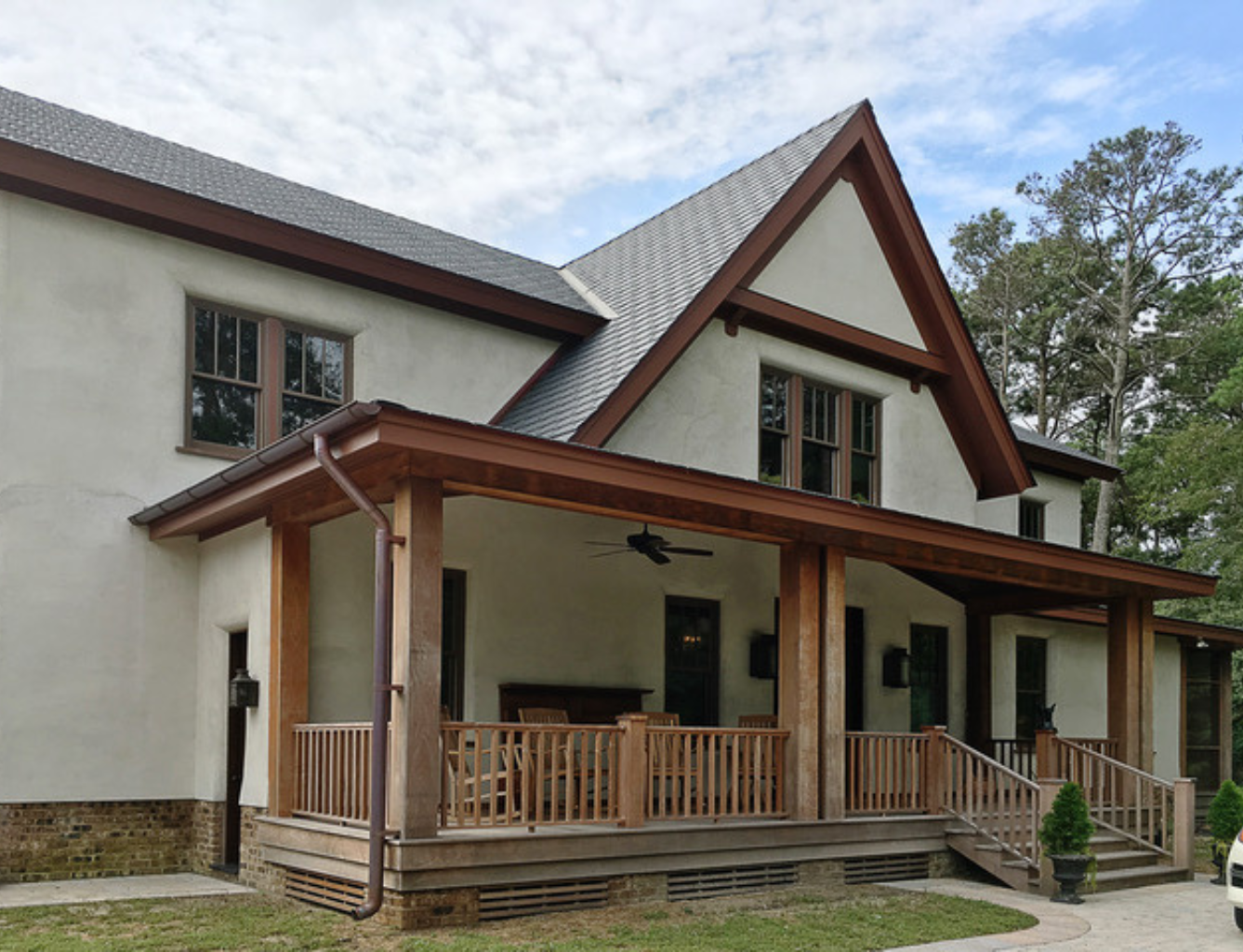
Our Crag house made with hempcrete walls
The Future of Hempcrete Homes
With hemp-lime construction now included in the latest residential building code, the future looks promising for homeowners interested in this natural building material.
As more jurisdictions adopt updated codes and more successful projects are completed, hempcrete is expected to become an increasingly common option for residential construction.
For homeowners seeking a sustainable, breathable, and energy-efficient home, hempcrete house plans offer an exciting path forward.
If you’re interested in learning more about building with hempcrete, we invite you to download our free Hempstead 101 Guide, where we walk through the basics of hemp-lime construction, design considerations, and what homeowners should know before starting a project.