
Is Hempcrete Right for Your Climate?
One of the most common questions we hear about hempcrete is simple: ”Will it work in my climate?”
It is a fair question, and an important one. The honest answer is that hempcrete performs well across a surprisingly wide range of climates, but the way it performs and how it should be designed and detailed do vary depending on where you build.
If you're new to hempcrete, it's worth noting that hempcrete is an insulating wall material rather than a structural system. It works alongside a timber or other structural frame, with the wall assembly designed to suit the local climate and building requirements. For a deeper look at how hempcrete works and what makes it unique, check out our blog post, "What Is Hempcrete?"
Here is what we know about hempcrete in the climate zones where people most commonly ask us about it.
Hot and Humid Climates (Southeast, Gulf Coast, Florida)
Hot and humid climates are often the first place people assume hempcrete might struggle, because humidity and natural building materials are not always a comfortable combination. But hempcrete handles moisture differently than most people expect.
Because hempcrete is vapor-permeable, it does not trap moisture inside the wall assembly the way conventional insulation systems can. Instead, it gradually absorbs and releases moisture, helping moderate indoor humidity levels and reducing swings in indoor conditions. The lime binder also creates a naturally alkaline environment inside the wall that resists mold growth.
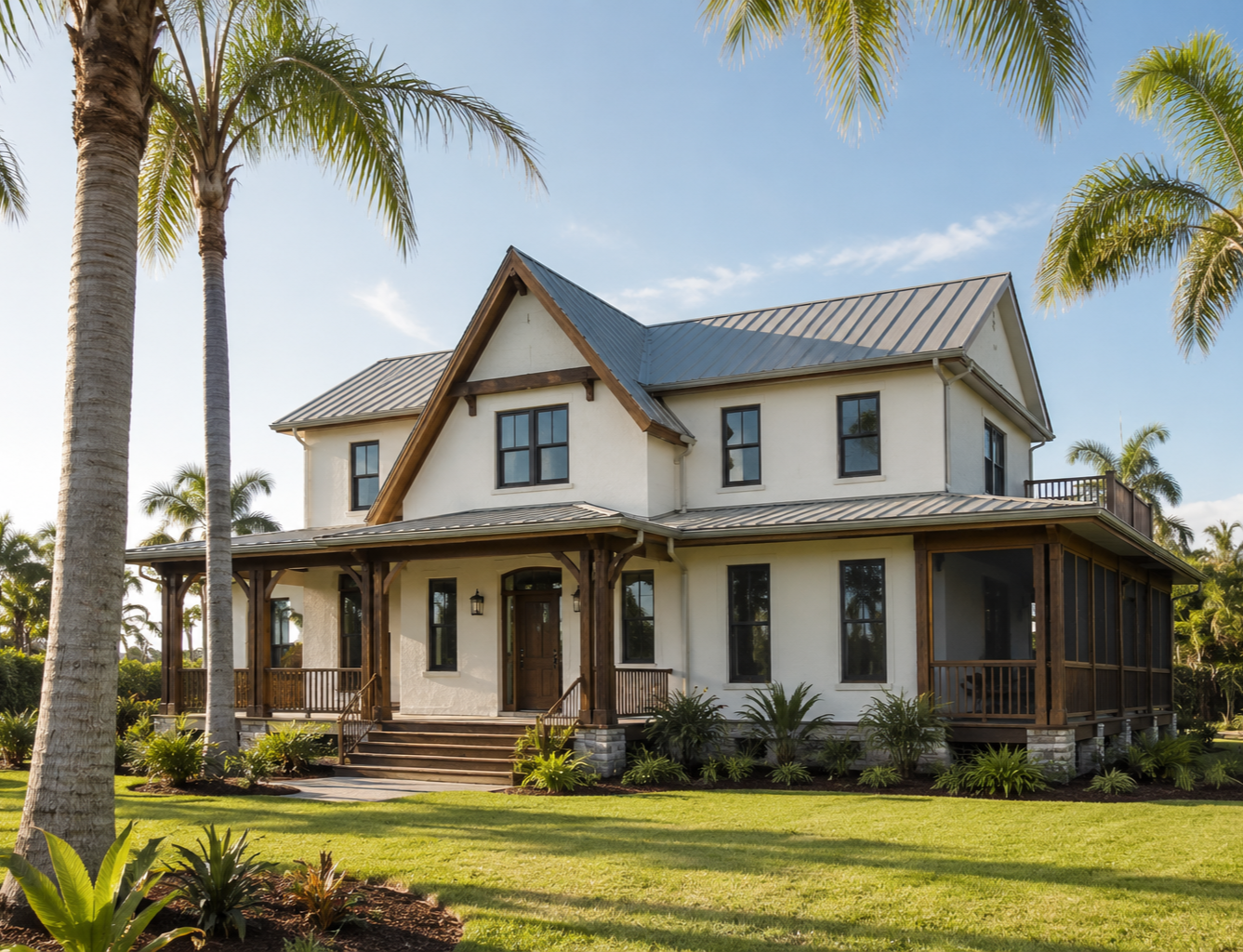
The Crag — Our largest Hempstead Living plan, shown here in a tropical climate where hempcrete's moisture-regulating properties can help support a comfortable indoor environment.
In hot climates, hempcrete's thermal mass plays an important supporting role. Walls that absorb heat slowly help keep indoor spaces cooler during the hottest part of the day.
The key in hot and humid regions is thoughtful design: proper roof overhangs to protect walls from driving rain, good site drainage, and pairing hempcrete with passive cooling strategies like cross-ventilation and shading. When those elements are in place, hempcrete can be a genuinely strong performer in the South.
Hot and Dry Climates (Southwest, Desert Southwest, Texas)
This is arguably where hempcrete feels most at home, and where its thermal mass qualities shine most clearly.
In climates with large swings between daytime heat and cool nights, thermal mass is one of the most effective passive strategies available. Hempcrete walls absorb and store heat during the day, then release it gradually after sunset, helping keep indoor temperatures more comfortable around the clock. When combined with passive solar design, a hempcrete home in a desert climate can dramatically reduce the need for mechanical heating and cooling.
Dry climates are especially forgiving when it comes to moisture. In arid regions, hempcrete is relatively simple to detail, build, and maintain.
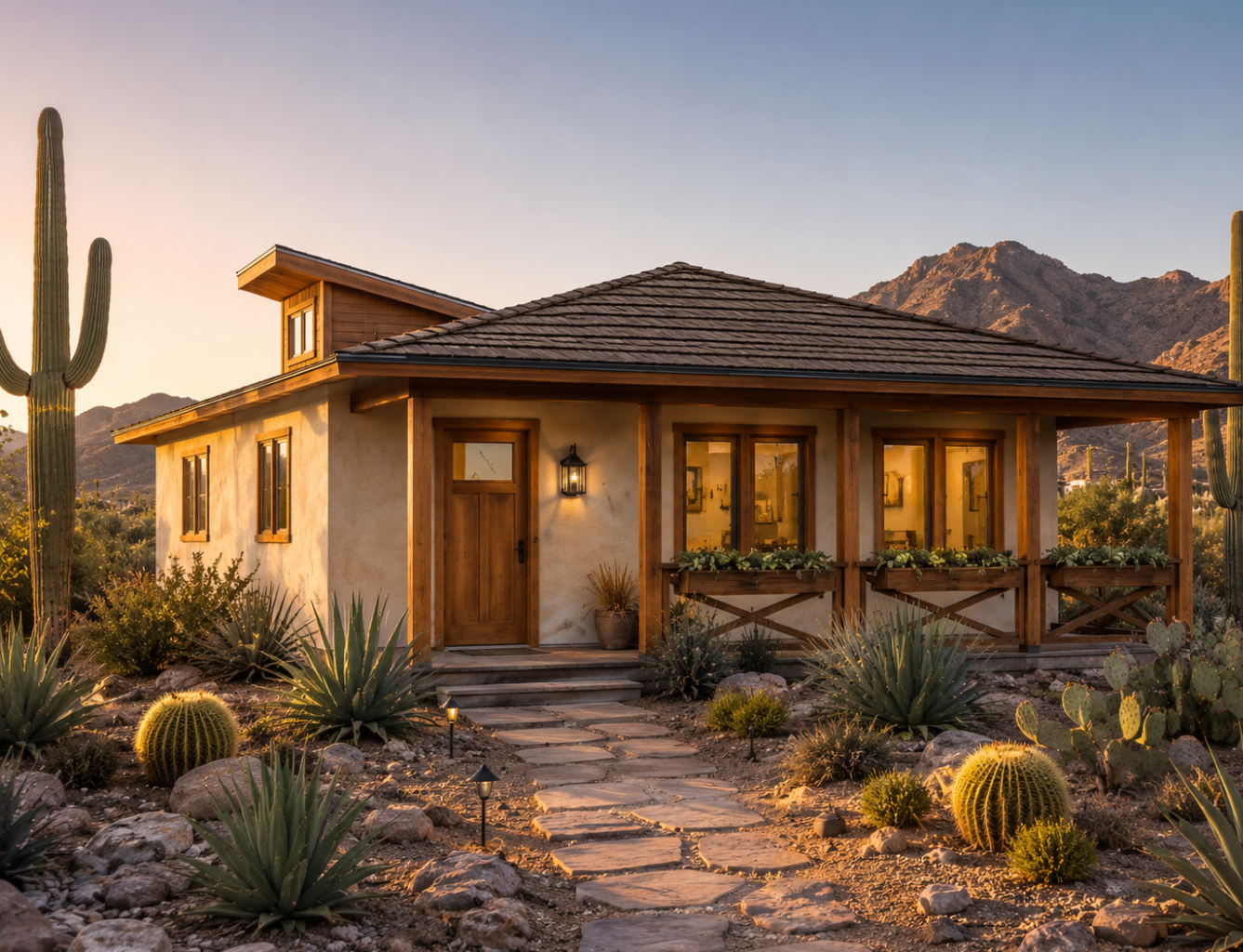
Carmen — A thoughtfully designed single-story home shown in a desert setting, where thermal performance becomes especially important.
Mild and Temperate Climates (Pacific Coast, Mid-Atlantic, Parts of the Southeast)
Temperate climates are in many ways the easiest case for hempcrete. Moderate temperatures mean the material does not have to work as hard in either direction, and the combination of insulation and thermal mass provides year-round comfort without dramatic seasonal demands.
In mild climates, hempcrete homes tend to feel consistently comfortable with relatively modest mechanical support. Many homeowners in these regions report needing less heating and cooling than they expected, thanks to hempcrete's ability to help maintain more stable indoor temperatures throughout the year.
The Pacific Coast deserves a specific note: in wetter parts of the Northwest, detailing becomes more important. Hempcrete should never be in direct contact with the ground or exposed to sustained water. With proper design, including generous roof overhangs and a solid drainage plane at the base of walls, it performs well even in rainy environments.
Cold Climates (Midwest, Mountain West, Northeast, Upper Plains)
Cold climates raise the most questions, and understandably so. Winters can be long and demanding, and many homeowners wonder whether a natural building material like hempcrete can provide the comfort and efficiency they need.
The answer requires a bit more nuance than a simple yes or no.
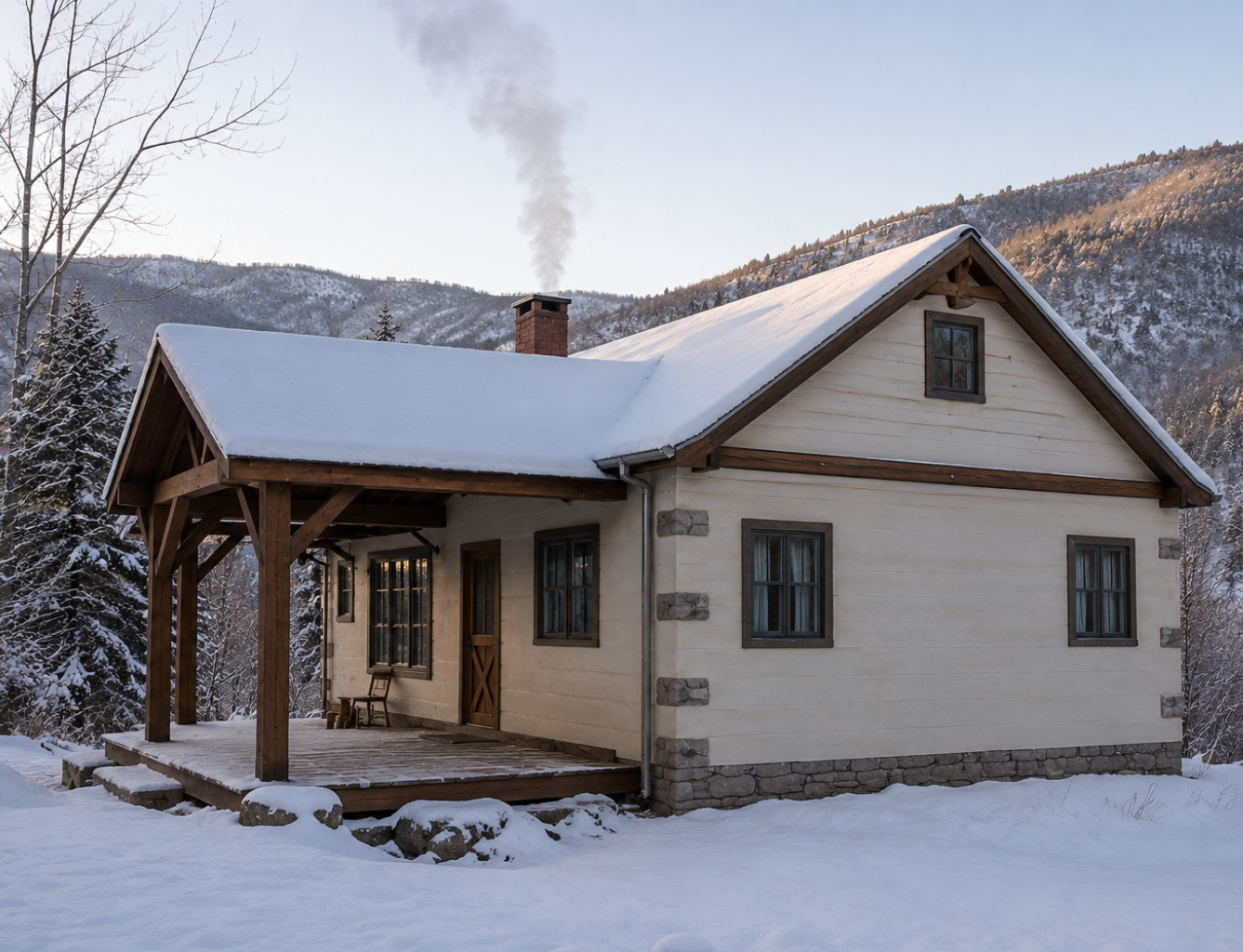
The Anka — A thoughtfully designed 2-bedroom, 2-bath home shown in a mountain climate, demonstrating hempcrete's versatility across a range of weather conditions.
Hempcrete walls in cold climates are typically built thicker, often 12 to 16 inches, which helps create a highly effective wall assembly. But insulation is only part of the story. Hempcrete's thermal mass helps moderate temperature fluctuations, creating a more stable indoor environment and reducing the impact of rapid outdoor temperature changes.
The result is a home that feels more consistent and comfortable throughout the day and night, rather than constantly responding to shifting outdoor conditions.
Hempcrete homes in cold climates also benefit significantly from passive solar design, which is carefully integrated into every Hempstead Living plan. South-facing glazing, heat-storing floors, and proper shading work together with hempcrete walls to enhance winter comfort and overall energy performance.
That said, cold climates do require more intentional design and, in some cases, thicker wall assemblies. If you are building in a northern region, this is a conversation worth having early in the planning process.
The Common Thread Across All Climates
Regardless of climate, hempcrete performs best when it's part of a well-designed system. It is not a material you can drop into any plan and expect to perform. It works best when the home is designed around it, with orientation, window placement, roof geometry, and ventilation all considered as part of a whole system.
That is the approach behind every Hempstead Living Plan we offer. The hempcrete is not an add-on. It is integrated into how the home is conceived from the start, which is what allows it to perform well across a wide range of conditions.
If you are wondering whether hempcrete makes sense for your specific location, climate zone, and site, we are happy to talk through it. Every build is different, and the details matter.