
Why Hempcrete Walls Feel Different: The Science Behind Their Comfort
When people step inside a hempcrete home for the first time, they often notice something unusual. The space feels calm, comfortable, and inviting, even if they can't quite explain why.
Unlike traditional building materials that focus primarily on strength and insulation, hempcrete contributes to the overall indoor experience in ways that go deeper than what a thermostat can measure. Homeowners frequently describe hempcrete homes as feeling quieter, fresher, and more balanced throughout the year. And once you understand the science behind it, that response makes a lot of sense.
So what makes hempcrete walls feel different? The answer lies in how hempcrete interacts with temperature, moisture, sound, and indoor air — four things that shape how comfortable a home actually feels to live in every day.
More Stable Temperatures Throughout the Day
One of hempcrete's most appreciated qualities is its ability to help regulate indoor temperatures.
Unlike conventional wall systems that can quickly absorb and release heat, hempcrete has a unique combination of insulation and thermal mass. This helps slow the transfer of heat through the building envelope, acting as a buffer between the outdoor climate and your interior spaces.
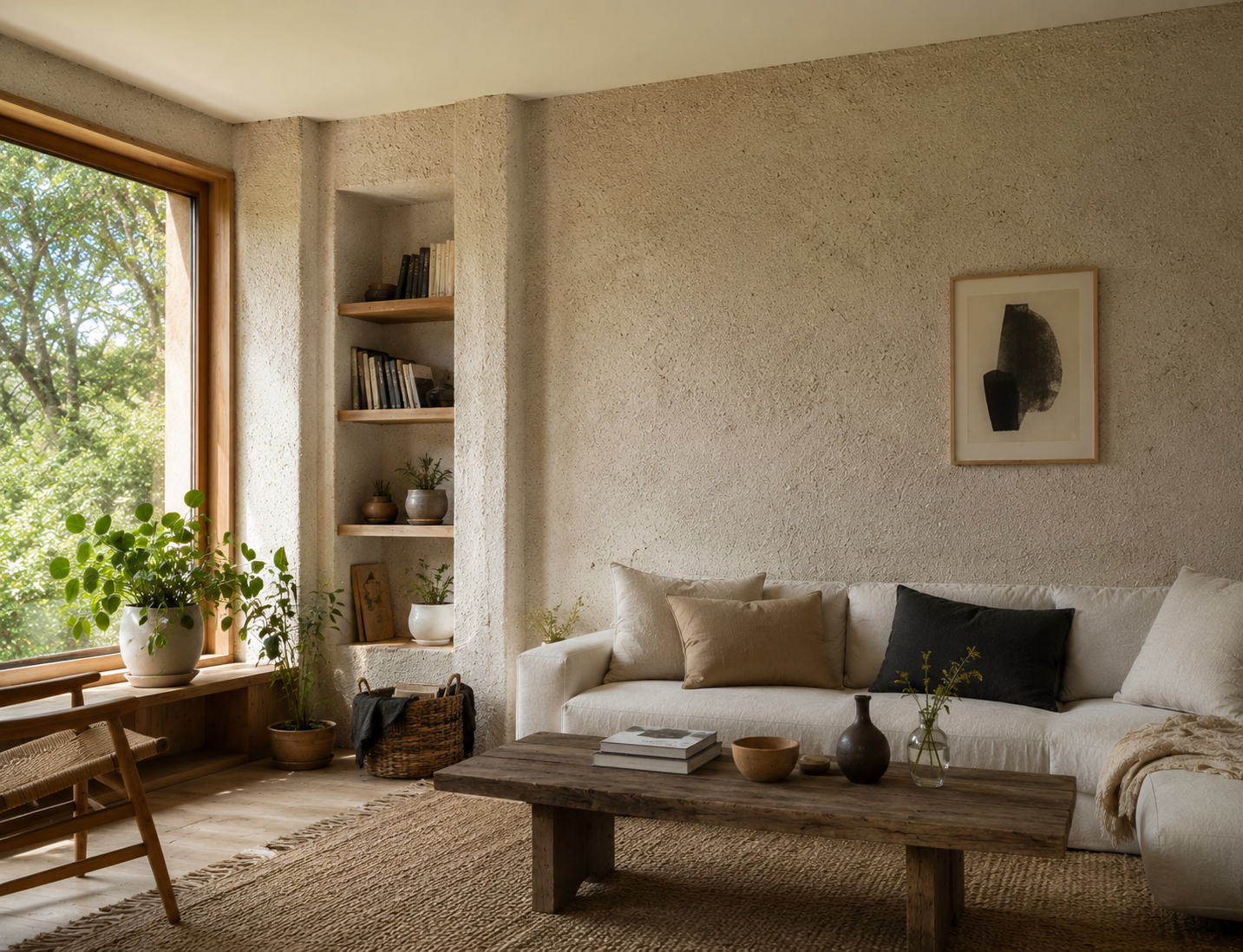
In practical terms, that means rooms stay cooler during hot afternoons, indoor temperatures change more gradually, heating and cooling systems may not need to work as hard, and occupants experience fewer uncomfortable temperature swings.
This effect, known as thermal lag, helps create a more stable indoor environment throughout the day and night. It is one of the reasons people who live in hempcrete homes often report lower energy bills alongside greater comfort. If you have been exploring how your home's orientation can work with these principles, our post on passive solar design and lot orientation is a great companion read.
A Natural Approach to Humidity Control
Comfort is not determined by temperature alone.
Humidity plays a major role in how a space feels. Air that is too dry can irritate the skin and respiratory system, while excessive humidity can make a home feel stuffy and uncomfortable. Most conventional wall assemblies do little to support this balance, leaving it entirely to mechanical systems.
Hempcrete walls are naturally vapor-permeable, meaning they can absorb and release moisture without trapping it inside the wall assembly. As indoor humidity rises, hempcrete can temporarily absorb excess moisture. When conditions become drier, it gradually releases that moisture back into the air.
This process helps maintain a more balanced indoor environment and can reduce the likelihood of condensation issues that are often associated with tightly sealed buildings. It is a passive system, meaning it works quietly in the background without any additional equipment or energy input.
Quieter Spaces and Better Acoustics
Many homeowners are surprised by how quiet a hempcrete home feels.
The porous structure of hempcrete helps absorb sound waves rather than reflecting them. This can reduce outside traffic noise, wind noise, echoes within rooms, and general sound transmission through walls. The result is often a softer acoustic environment that feels more peaceful and relaxing.
Whether you are working from home, reading, or simply enjoying a quiet evening, improved acoustics can significantly enhance daily comfort. This is especially meaningful as more people prioritize the quality of the environments where they spend most of their time.
Walls That Breathe
Modern construction often emphasizes airtightness, and for good reason. Energy efficiency matters, and well-sealed homes perform better in many measurable ways.
However, airtight construction requires careful moisture management. When moisture becomes trapped inside wall assemblies, it can contribute to mold growth and long-term building issues that are costly and difficult to address.
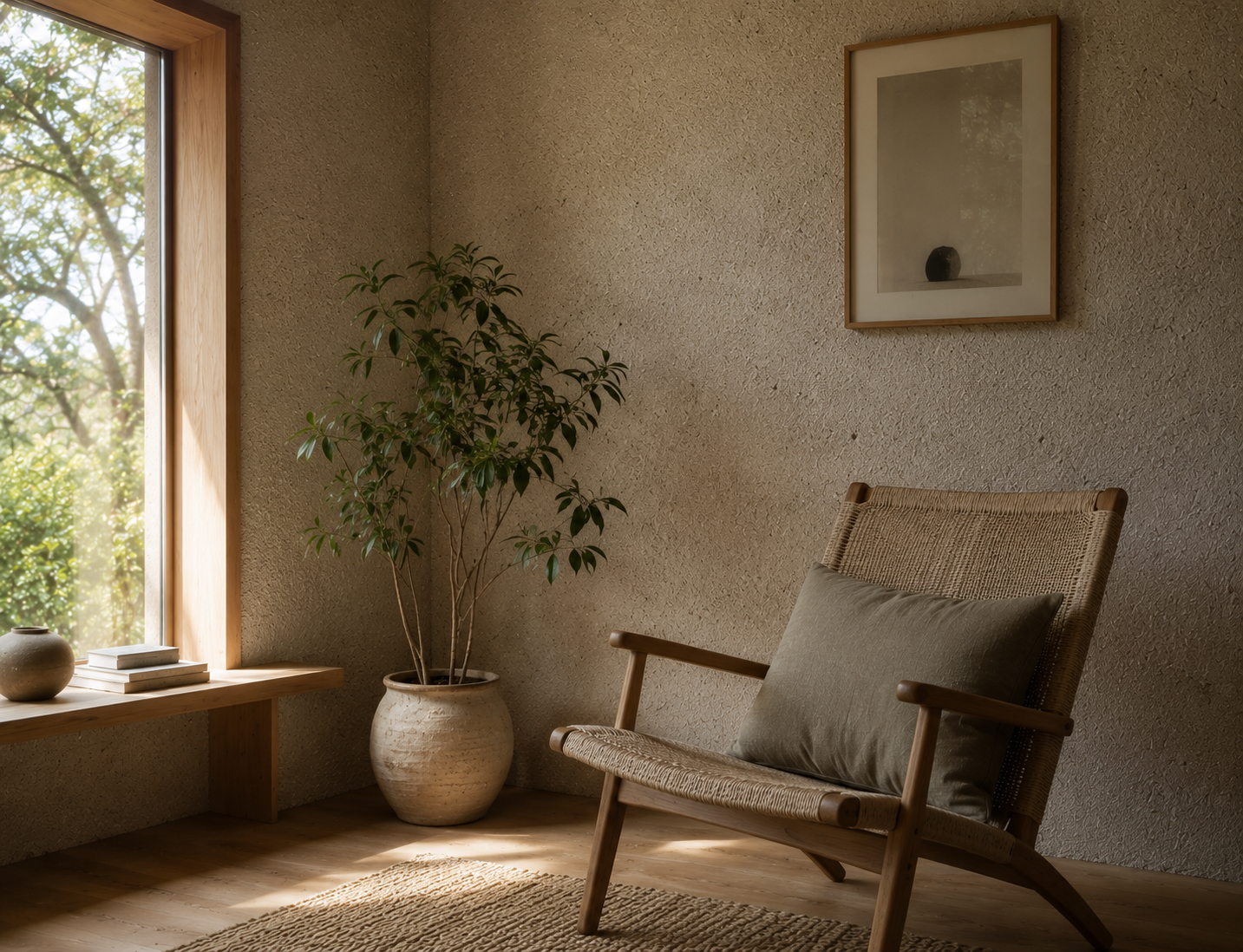
Hempcrete offers a different approach. Because it is vapor-open, hempcrete allows moisture vapor to move through the wall while still providing insulation. This characteristic is often described as a wall's ability to breathe. Breathable walls do not mean drafts or air leaks. Instead, they support healthy moisture movement within the building envelope, which reduces the risk of trapped moisture, improves indoor air quality, and enhances long-term durability.
This principle aligns closely with what we explore in our guide to what makes a healthy home, which examines the hidden threats that can accumulate within conventional wall systems over time. If you are renovating or comparing materials, our Healthy Home Renovation Guide is worth reading alongside this one.
Surface Temperatures Matter More Than You Think
When we think about comfort, we usually focus on air temperature. But the temperature of surrounding surfaces also affects how comfortable a room feels in a way that is easy to overlook.
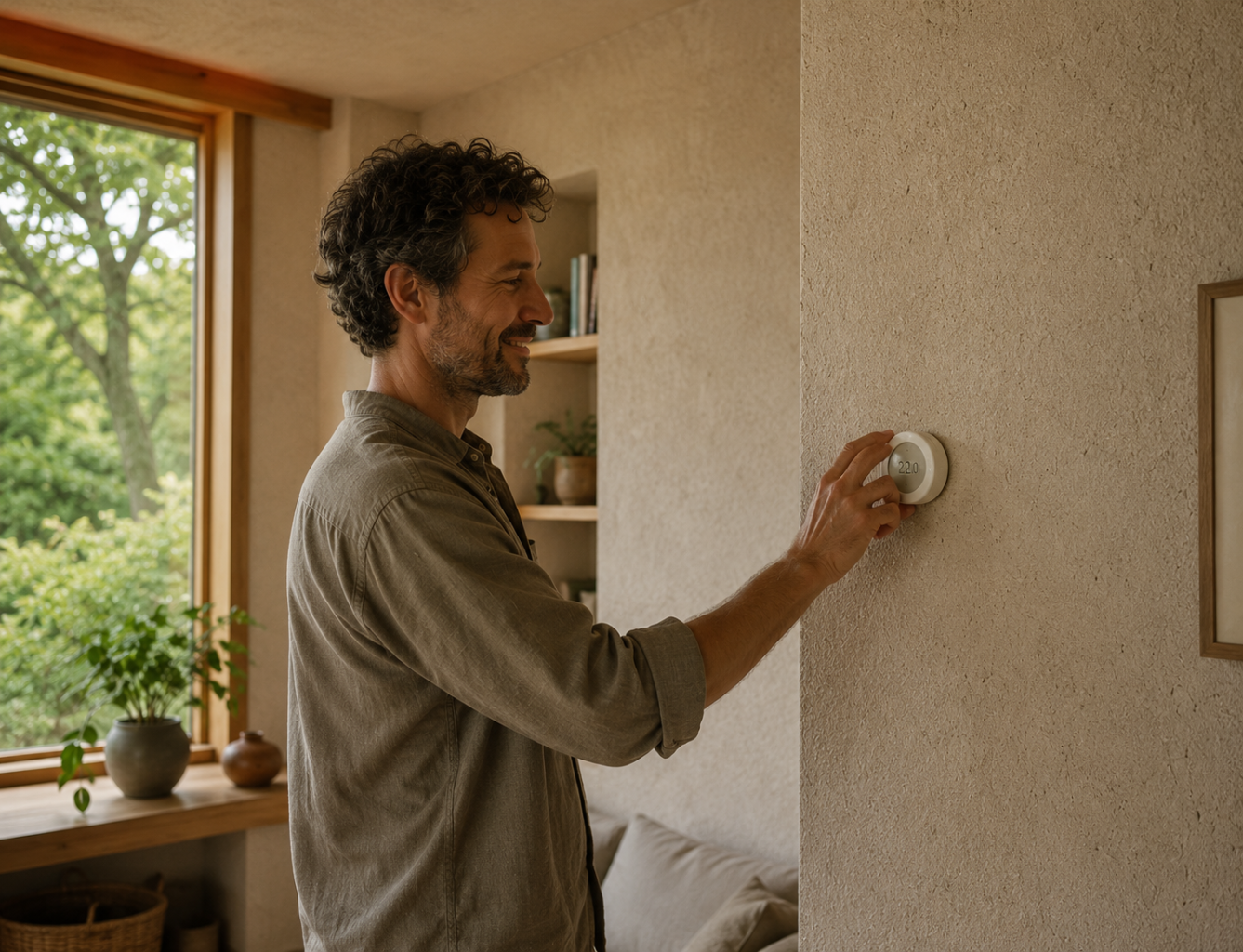
Cold wall surfaces can create a sensation of discomfort even when the thermostat shows a comfortable temperature. You may recognize this feeling from older homes in winter, where a room that reads as warm still somehow feels cold. Hempcrete's insulating properties help keep interior wall surfaces closer to room temperature, which makes living spaces feel noticeably more comfortable and welcoming, especially during colder months.
The Connection Between Comfort and Well-Being
Researchers and designers increasingly recognize that our homes influence more than just physical shelter.
Factors such as natural materials, indoor air quality, humidity levels, acoustics, and thermal comfort all contribute to how we experience a space day to day. A home that is well-insulated but filled with synthetic materials and sealed against any air movement tells a different story than one built with materials that interact naturally with the environment.
While hempcrete is often praised for its sustainability and environmental benefits, many homeowners find that its greatest advantage is simply how it feels to live with it every day. The comfort of a hempcrete home is not usually dramatic or obvious. Instead, it is subtle: a home that stays more consistent, feels quieter, and supports a healthier indoor environment.
If you are curious about what makes hempcrete such an interesting material from a foundational level, our post What Is Hempcrete? is a great place to start. And if you want to understand what building with it actually looks like in the U.S. today, we cover the regulatory landscape in Can You Build a Hempcrete House in the U.S.?
Ready to Explore Hempcrete House Plans?
Hempcrete walls do much more than provide insulation. Their ability to regulate moisture, moderate temperatures, improve acoustics, and support healthy indoor air quality creates a living environment that many people find noticeably more comfortable than conventional construction.
While sustainability often drives initial interest in hempcrete, it is the everyday experience of living within these walls that continues to attract homeowners seeking healthier, more resilient homes.
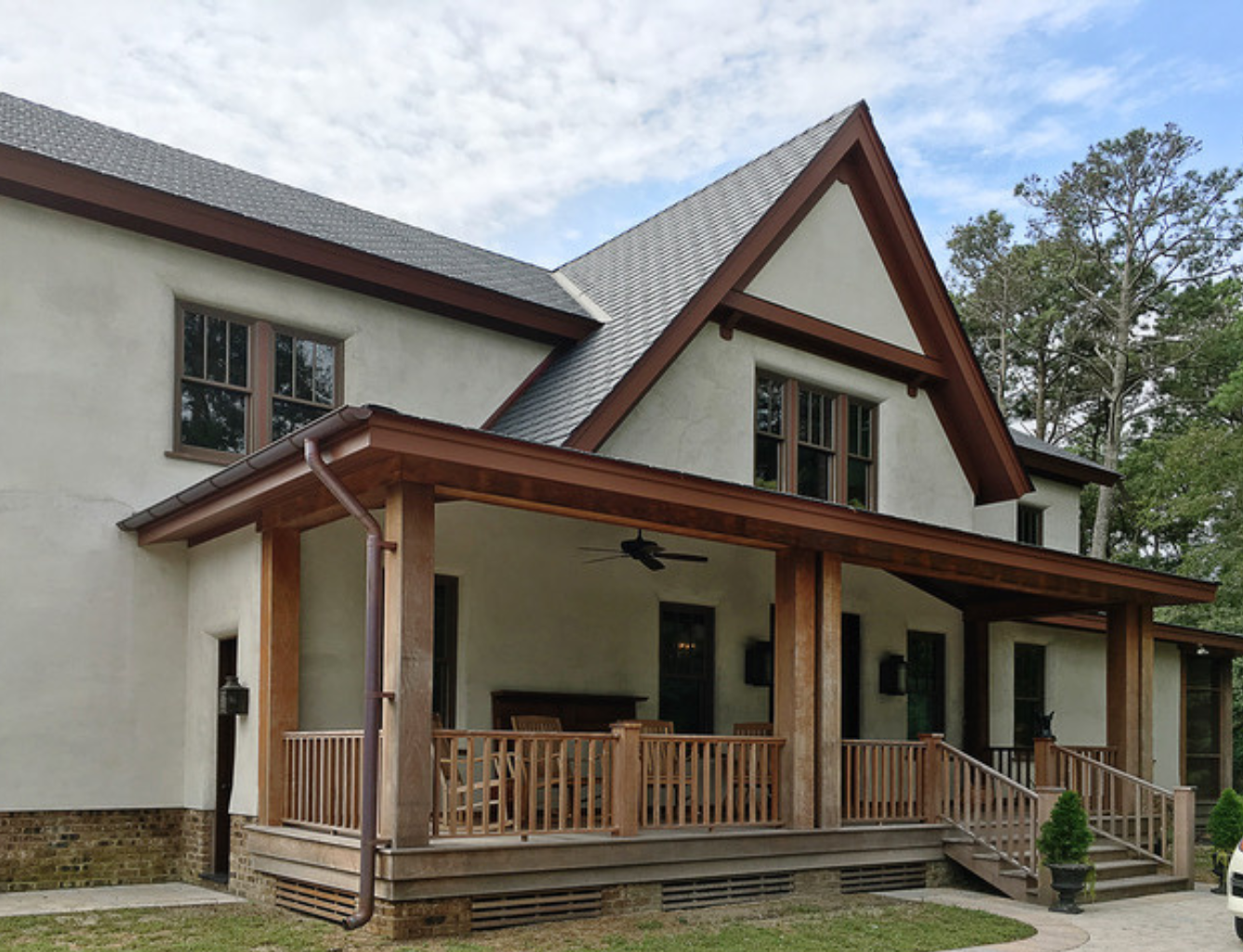
At Root Down House Plan Co., we believe that great home design goes beyond square footage and style. The materials we choose shape how a home feels, performs, and supports the people who live in it. Our Hempstead Living collection was designed with exactly that in mind: house plans built for hempcrete construction, available now with the panelized SHIP system through our partnership with Homeland Hempcrete.
Crag House
If you are also thinking about what goes inside those walls, our Healthy Homes Package pairs beautifully with hempcrete construction, helping you make informed, health-conscious choices throughout the entire building process.
Browse our full Hempstead Living Collection or explore the blog for more guides to help you build with confidence.