
A New Era for Accessible Hempcrete Homes with Prefab Hemp Panels from Homeland Hempcrete
Hempcrete construction has traditionally required a more hands-on approach than conventional building. For many homeowners and builders, that process has been part of the appeal — creating healthy, natural homes with materials that reconnect us to slower, more intentional ways of building.
At the same time, sourcing materials, coordinating experienced crews, and navigating different hempcrete wall systems can feel overwhelming for people who are new to natural building or looking for a more streamlined construction process.
That is exactly why our partnership with Homeland Hempcrete feels so exciting.
Homeland Hempcrete offers panelized hempcrete wall systems that simplify and accelerate the building process while maintaining the beauty, performance, and sustainability that make hempcrete so special in the first place.
We see this collaboration as an expansion of possibilities within the natural building space. Many of our home plans remain compatible with hands-on construction methods, and Homeland Hempcrete offers an additional option for homeowners, builders, and developers seeking a more streamlined and scalable way to build with hempcrete.
For people who have admired hempcrete from afar but assumed it would be too niche, too time-intensive, or too complicated to pursue, this partnership opens new doors. It creates opportunities that previously did not exist.
What Makes This Different: The Panelized System
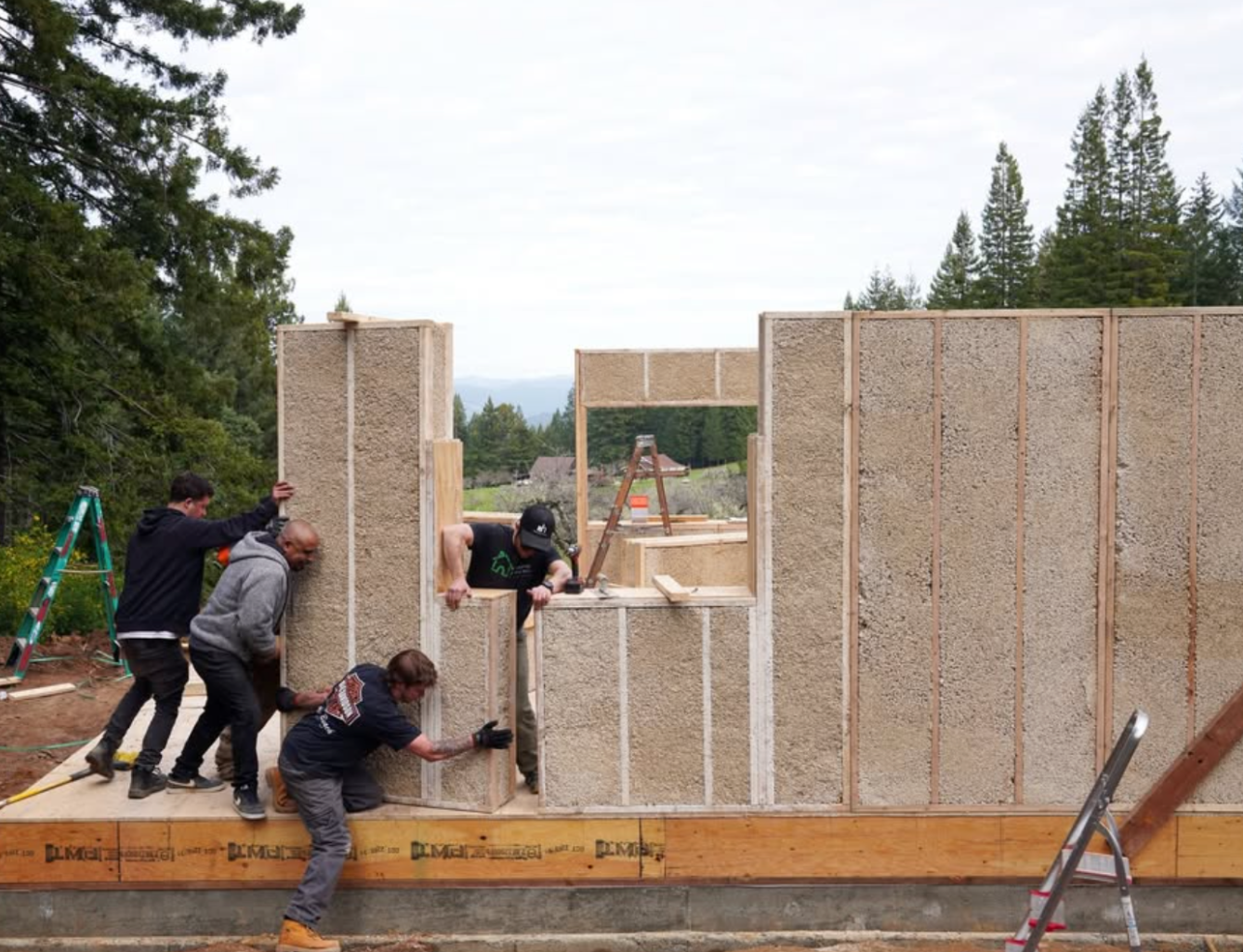
Homeland Hempcrete builds using a Structural Hemp Insulated Panel system, also known as SHIP panels. If the term is new to you, the concept is actually quite simple.
Traditional hempcrete construction is typically mixed and installed on-site around a structural frame. It is a highly hands-on building method that many people in the natural building world deeply value for its craftsmanship, intentionality, and connection to the material itself.
A panelized system offers a different approach.
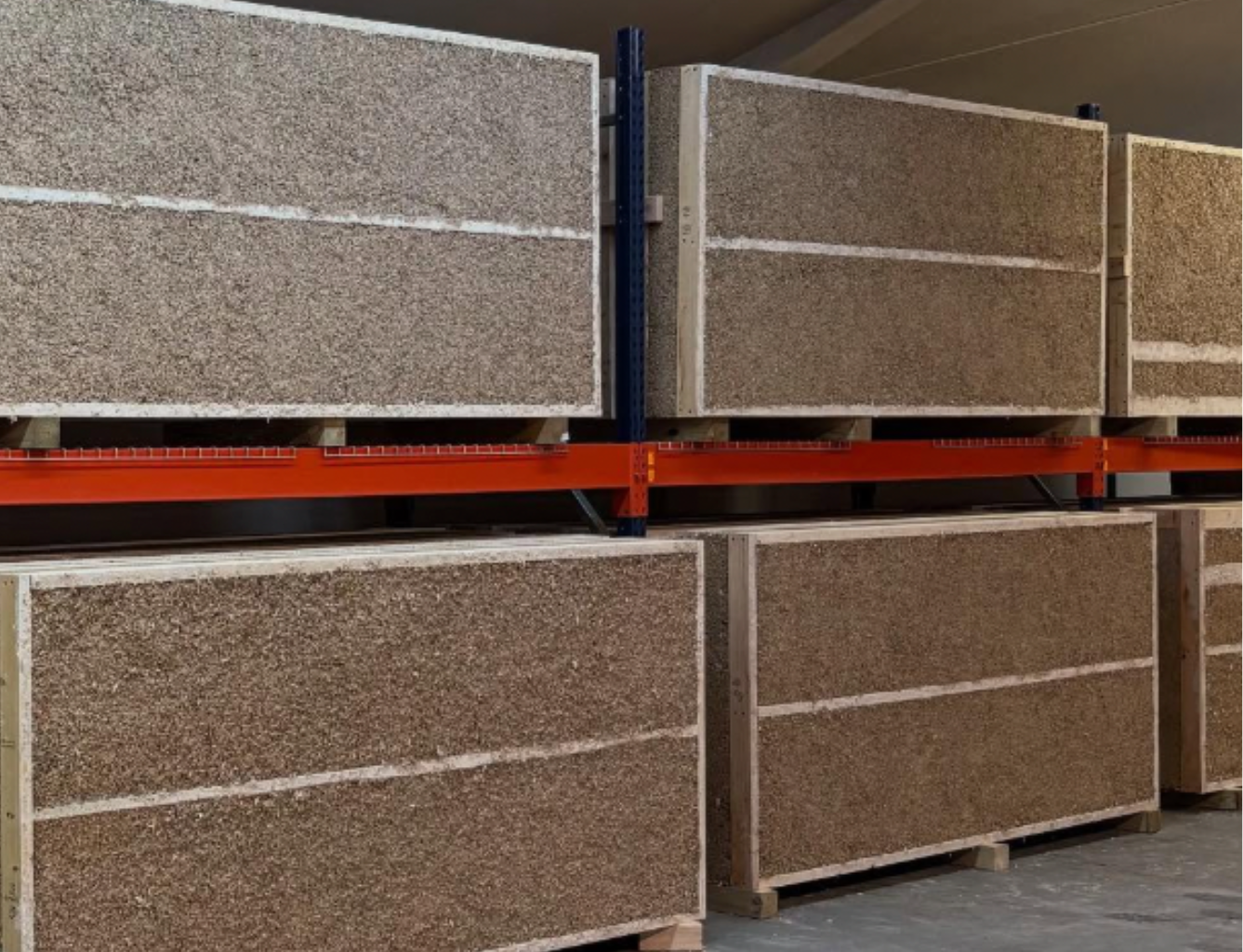
With SHIP panels, the hemp-insulated wall assemblies are prepared off-site and delivered ready for installation during construction. This approach creates a faster, more streamlined, and more predictable building process while still preserving the core benefits that make hempcrete so appealing in the first place.
For homeowners and builders who may not have access to experienced hempcrete crews locally, this approach can make hemp construction far easier to implement within modern projects, timelines, and regional markets.
That is what makes this collaboration so exciting to us.
It expands the possibilities of hempcrete construction by making the material more accessible to a wider range of homeowners, builders, and regions where natural building resources may still be limited.
Most importantly, the qualities that make hempcrete extraordinary remain unchanged: natural insulation, breathability, thermal performance, sustainability, and healthier indoor living environments.
What evolves is the efficiency and accessibility of how those benefits can now be brought into the real world.
Why Hempcrete Still Matters
If you are new to hempcrete, or if you have heard about it but want a clearer understanding of why it performs so differently from conventional building materials, here is why it stands out.
It Breathes
Hempcrete is naturally vapor-permeable, allowing moisture to move through the walls rather than becoming trapped inside them. This significantly reduces the conditions that allow mold and mildew to develop while helping create a healthier indoor environment.
Instead of trapping moisture inside sealed wall systems, hempcrete allows a home to breathe and regulate humidity more naturally.
The result is an indoor environment that feels calmer, fresher, and more balanced over time.
It Regulates Temperature Beautifully
Hempcrete walls have strong thermal mass, meaning they absorb heat slowly and release it gradually over time. In practical terms, this helps maintain a more stable indoor temperature throughout the day and across changing seasons.
Homes built with hempcrete often feel noticeably quieter, softer, and more thermally balanced than conventional buildings.
That comfort translates into reduced reliance on mechanical heating and cooling systems, helping lower long-term energy costs while creating a more enjoyable living environment overall.
It Sequesters Carbon
Hemp is one of the fastest-growing crops on the planet, and during its growth cycle, it absorbs significant amounts of carbon dioxide from the atmosphere.
That carbon remains stored within the walls of the home.
This means building with hempcrete is not simply a lower-impact alternative to conventional materials. It is an actively regenerative one.
At a time when the construction industry accounts for a substantial share of global emissions, choosing materials that help reverse environmental impact matters deeply.
It Lasts
Hempcrete does not rot, and it continues to strengthen over time as the lime binder gradually mineralizes.
These are homes designed for longevity.
Rather than relying on synthetic materials that degrade over decades, hempcrete walls become increasingly stone-like as they age, creating structures intended to endure for generations.
And importantly, all of these benefits remain true with Homeland Hempcrete’s SHIP panel system.
The material is the same. The breathability is the same. The thermal performance is the same. What changes is the accessibility of the build process itself.
If you would like to learn more about hempcrete, we cover it in greater detail here.
The Three Plans Available Now
We selected three homes from our Hempstead Living collection to offer through Homeland Hempcrete’s panelized system. Each plan was designed with natural building principles at its core, and each one is now available as a panelized hempcrete home.
ARMANCA ADU
318 heated square feet + 56 square feet porch | 14' x 22' footprint
A compact and flexible studio-style ADU designed for those who want to live smaller without sacrificing comfort or functionality. The ARMANCA combines an efficient footprint with a thoughtfully designed layout, making it ideal for a guest house, creative studio, rental unit, or private retreat built on land you already own.
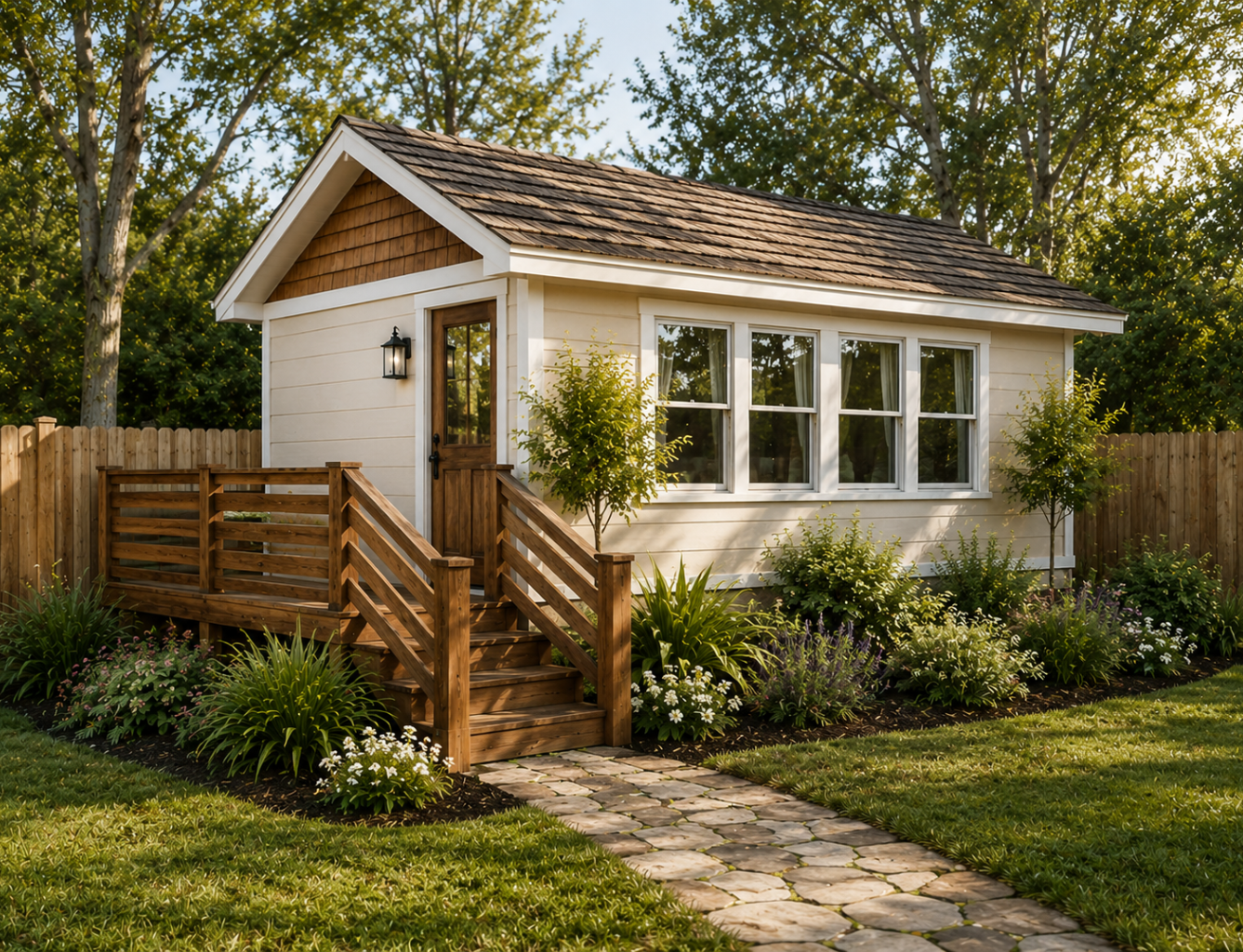
Armanca ADU
ASSO 2 Bed
1,056 heated square feet + 240 square feet porch | 24' x 44' footprint
The two-bedroom version of the ASSO ADU expands the footprint while maintaining the same thoughtful simplicity. It is a home that feels generous without sprawling, with hempcrete walls that help every room feel naturally comfortable year-round.
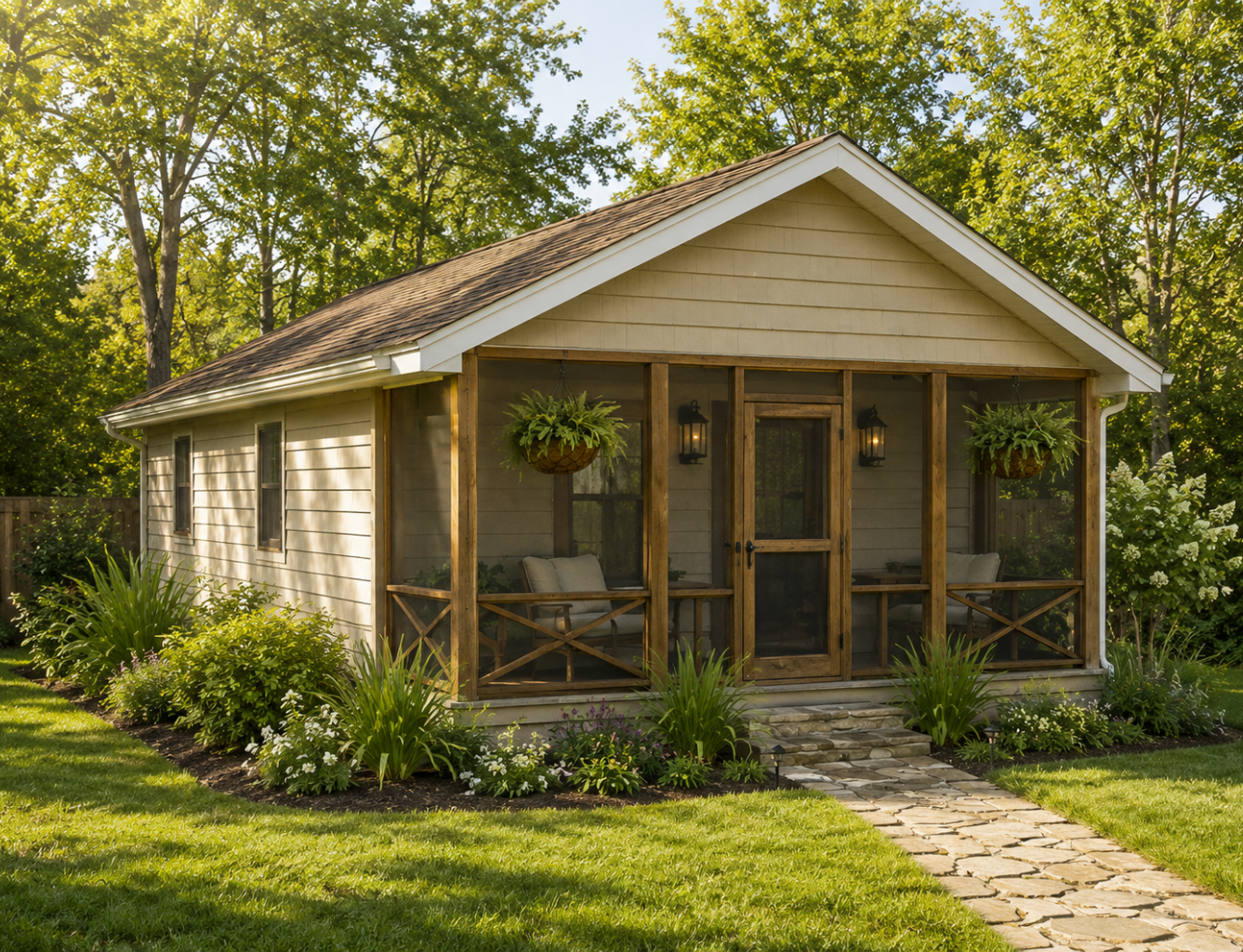
ASSO 2 bedrooms
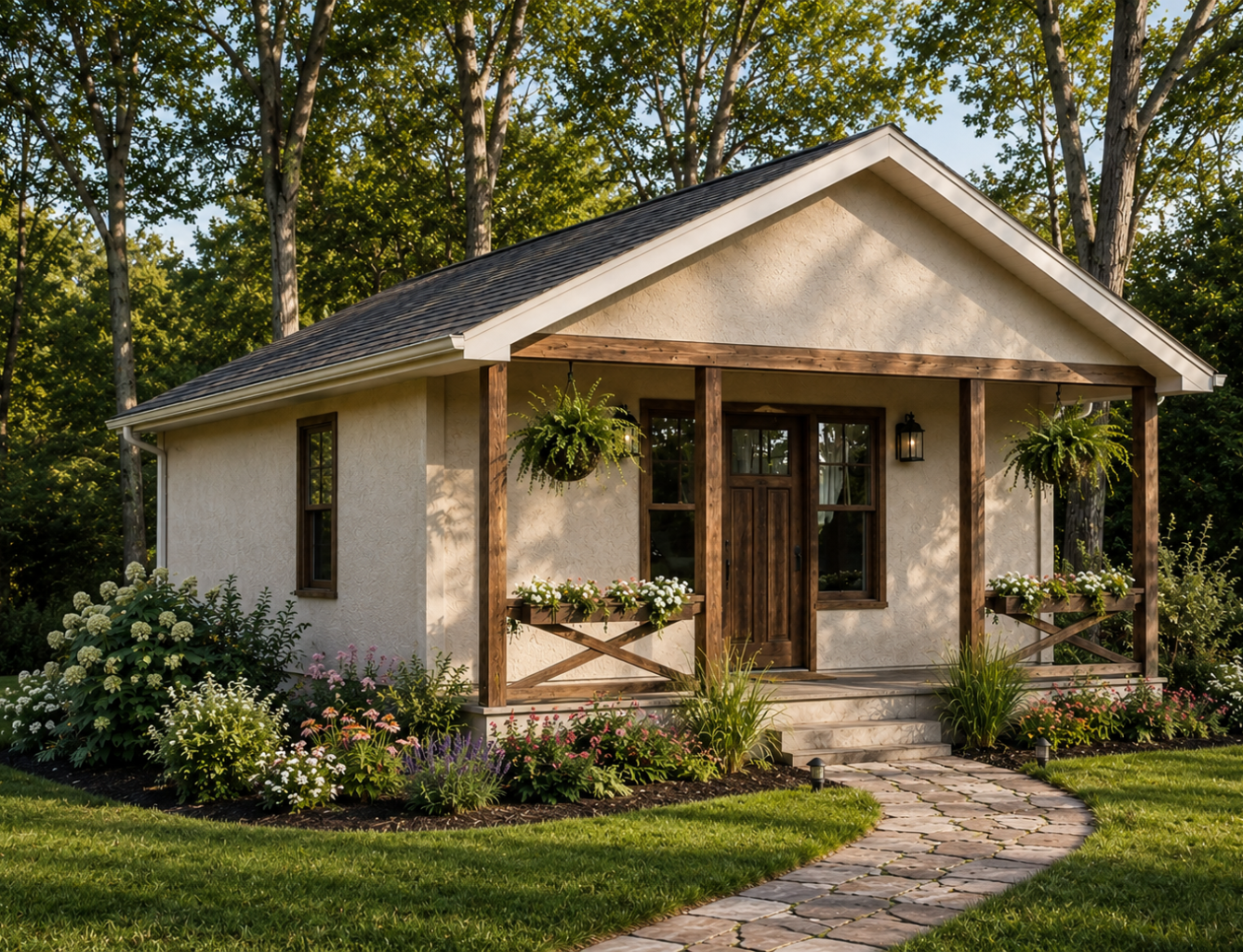
CANDA Panelized
1,344 square feet + 150 square feet porch | 28' x 48' footprint
Our largest offering in this collection, the CANDA is a three-bedroom home that combines the efficiency of a modest footprint with the livability of a carefully designed family floor plan.
It is an especially beautiful option for those looking to build a long-term home using durable, regenerative materials that will stand the test of time.
All three plans are available to explore through the Hempstead Living collection on our website.
Canda
The Expertise Behind the Designs
This partnership is the result of two teams who have been working in natural building for many years.
April Magill, founder of Root Down House Plan Co., and Tim Callahan of Alembic Studio bring more than 45 years of combined experience in hempcrete design and natural building. These plans were not retrofitted to accommodate a new system after the fact. They were intentionally designed with this type of building in mind from the very beginning.
Homeland Hempcrete’s commitment to regenerative materials, combined with their expertise in panelized construction, makes them the right partner for bringing these homes to more people.
This is not a collaboration built around convenience or trend forecasting.
It is rooted in a shared belief that healthier, lower-impact, longer-lasting homes should be more attainable than they have been in the past.
And finally, it feels like the industry is beginning to move in that direction.
What This Means If You Are Ready to Build
If you have been curious about hempcrete homes but felt held back by questions about the process, contractors, timelines, or overall feasibility, the panelized system helps remove many of the barriers that historically made those concerns understandable.
Of course, it is still important to do your homework. Building codes vary by state, and local jurisdiction always matters. Hempcrete was formally included in the 2024 International Residential Code, and adoption continues to grow across the United States, but understanding your local requirements remains an important part of the process.
We wrote a detailed guide covering hempcrete permits, building codes, and what homeowners should know before getting started.
What feels different now is that the path from “I want a hempcrete home” to “I am actually building one” has become significantly more realistic.
If you are exploring the possibility of building with hempcrete, here are a few good places to begin:
Download our free Hempstead 101 guide for a deeper introduction to the collection and the realities of building with hempcrete
Explore the Hempstead Living plans available through Homeland Hempcrete’s SHIP panel system
Reach out to us directly if you have questions about your land, budget, timeline, or long-term building goals
We believe deeply in these homes and in the future of healthier, more regenerative building practices.
More than anything, we believe people deserve homes that are durable, breathable, energy-conscious, and designed to support well-being for generations to come.
And we are grateful to be part of making that future more accessible than ever before.