
How Much Does a Hempcrete Home Cost?
One of the most common questions we hear is:
"How much does it cost to build a hempcrete home?"
The honest answer is that there isn't a single number.
Unlike conventional construction, there is currently no comprehensive national database tracking hempcrete construction costs across the United States. Costs can vary significantly depending on your location, labor availability, home size, design complexity, construction method, site conditions, and material sourcing.
What we can say with confidence is that hempcrete homes typically require a higher upfront investment than conventional construction. For many homeowners, however, the decision isn't based solely on initial construction costs. They're also considering factors such as indoor air quality, moisture management, durability, comfort, and long-term performance.
What Does a Hempcrete Home Cost Compared to Conventional Construction?
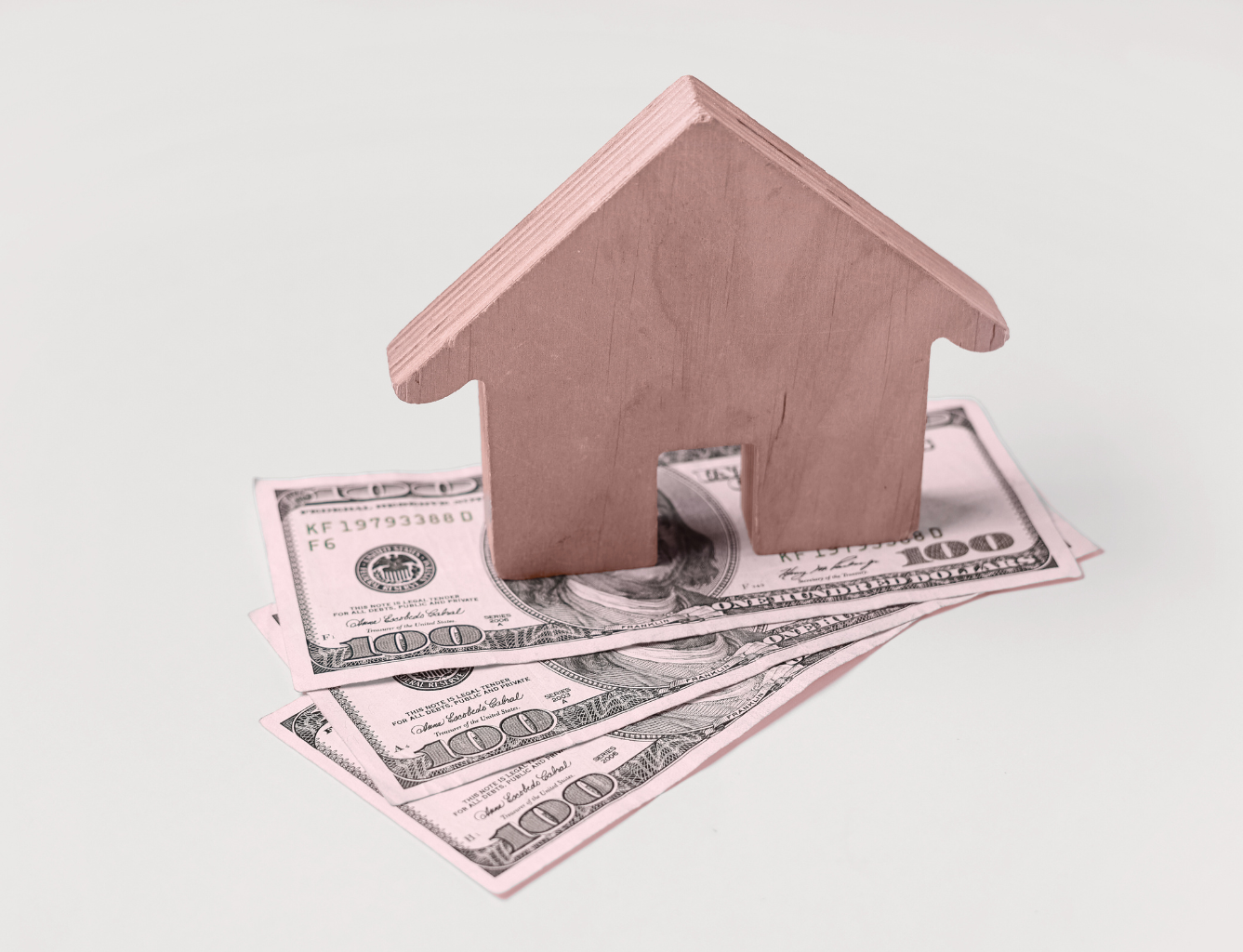
While there is no universally accepted national average for hempcrete construction, one frequently cited industry guideline comes from Colleen Keahey Lanier of the Hemp Industries Association, who suggested budgeting for a premium of approximately $60 per square foot above conventional construction costs.
While this estimate predates current market conditions and should not be treated as a quote or bid, it illustrates the additional upfront investment many homeowners have historically encountered when building with hempcrete.
It's important to understand what these numbers are—and what they aren't.
They are not quotes, guarantees, or project estimates. Construction costs vary significantly depending on location, labor availability, design complexity, site conditions, material sourcing, and construction method.
For that reason, homeowners should view any online estimate as a planning tool rather than a project budget. The most accurate way to understand what a hempcrete home may cost is to obtain pricing from local builders familiar with hemp-lime construction in your area.
One of the easiest ways to start that conversation is with a plan package that builders can actually review. For homeowners considering one of our Hempstead Living house plans, we offer Viewing Sets that include floor plans, roof plans, and exterior elevations. These documents can be shared with local contractors to obtain preliminary pricing and better understand whether a particular design fits your budget before investing in a full construction set.
Why Hempcrete Homes Often Cost More Upfront
The higher initial cost of hempcrete construction isn't necessarily due to the material itself. More often, it reflects the current state of the industry.
Traditional building systems benefit from decades of mass adoption, established supply chains, and a large workforce experienced with conventional construction methods. Hempcrete, by comparison, is still relatively new in many parts of the United States.
Depending on your location, additional costs may come from specialized materials, transportation, limited contractor availability, and installation methods that require specific knowledge or training.
As hemp construction continues to gain traction and more builders gain experience working with hemp-lime systems, many professionals expect these cost differences to become increasingly competitive over time.
If you're wondering whether hempcrete is even a viable option where you live, it's important to understand that building codes, contractor availability, and material sourcing can vary significantly from one region to another. Our article Can You Build a Hempcrete House in the U.S.? explores the current state of hempcrete construction nationwide and what homeowners should consider before starting a project.
Why Comparing Hempcrete to Conventional Construction Isn't Always Simple
One of the biggest misconceptions about hempcrete is that it replaces conventional building materials one-for-one.
In reality, hemp-lime (commonly known as hempcrete) is a non-structural insulation infill material. The International Residential Code's Appendix BL defines hemp-lime as a non-structural biocomposite material composed of hemp hurd and a lime-based binder.
In most hempcrete homes, a structural frame—typically timber—supports the building loads, while the hemp-lime wall assembly provides insulation, thermal mass, moisture regulation, and enclosure.
This distinction matters because homeowners aren't simply comparing one insulation product to another. They're evaluating an entire wall system and its performance characteristics.
Hempcrete walls are valued for their ability to regulate moisture, moderate temperature swings, contribute to acoustic comfort, and create a healthier indoor environment. For many homeowners, these benefits are part of the value equation. We explore these qualities in greater detail in our article The Science Behind Hempcrete Walls, where we look at how hempcrete can influence comfort, humidity regulation, and everyday living.
Cast-in-Place vs. Panelized Hempcrete Construction
The construction method you choose can also influence both project costs and timelines.
Traditional cast-in-place hempcrete involves on-site mixing, temporary formwork, installation in layers, and curing time before finishing work can proceed. This method has been used successfully for decades and remains a popular choice for custom hempcrete homes.
More recently, prefabricated hempcrete panel systems have emerged as an alternative.
Because panels are manufactured and cured off-site before arriving at the jobsite, they can help reduce on-site labor requirements, simplify scheduling, and create more predictable construction timelines.
Through our partnership with Homeland Hempcrete, several Hempstead Living plans are available using Structural Hemp Insulated Panels (SHIP), offering homeowners another path to building with hempcrete. We explore this partnership and the growing role of panelized hempcrete construction in A New Era for Accessible Hempcrete Homes.
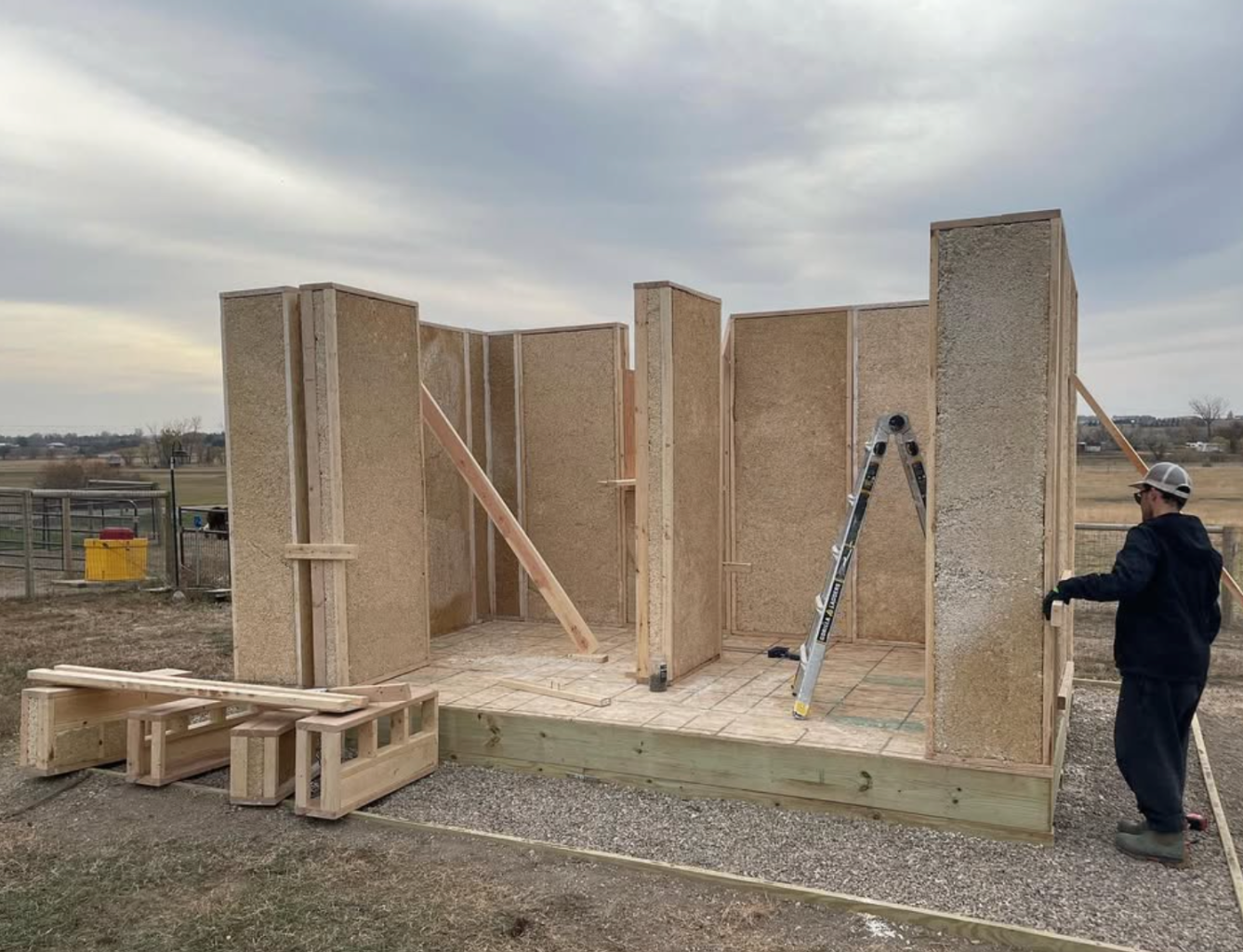
Structural Hemp Insulated Panels (SHIP) from Homeland Hempcrete
While panelized systems don't eliminate every variable that influences construction costs, they represent an important step toward making hempcrete construction more accessible and efficient.
Looking Beyond Upfront Construction Costs
While initial construction costs are important, many homeowners considering hempcrete are also thinking about how the home will perform over the coming decades.
Hempcrete is valued for its ability to regulate moisture, provide thermal performance, contribute to acoustic comfort, and support a healthy indoor environment.
Because hemp-lime is vapor-permeable, it can help manage humidity within wall assemblies rather than trapping moisture. Combined with its insulating and thermal mass properties, this can contribute to a comfortable indoor environment throughout the year.
Actual performance will vary depending on climate, building design, mechanical systems, and construction quality. However, many homeowners view hempcrete as an investment in long-term comfort, durability, and resilience rather than simply another construction material.
Is a Hempcrete Home Worth the Cost?
Ultimately, the better question may not be:
"How much does a hempcrete home cost?"
Instead, it may be:
"What kind of home do I want to live in for the next 30 to 50 years?"
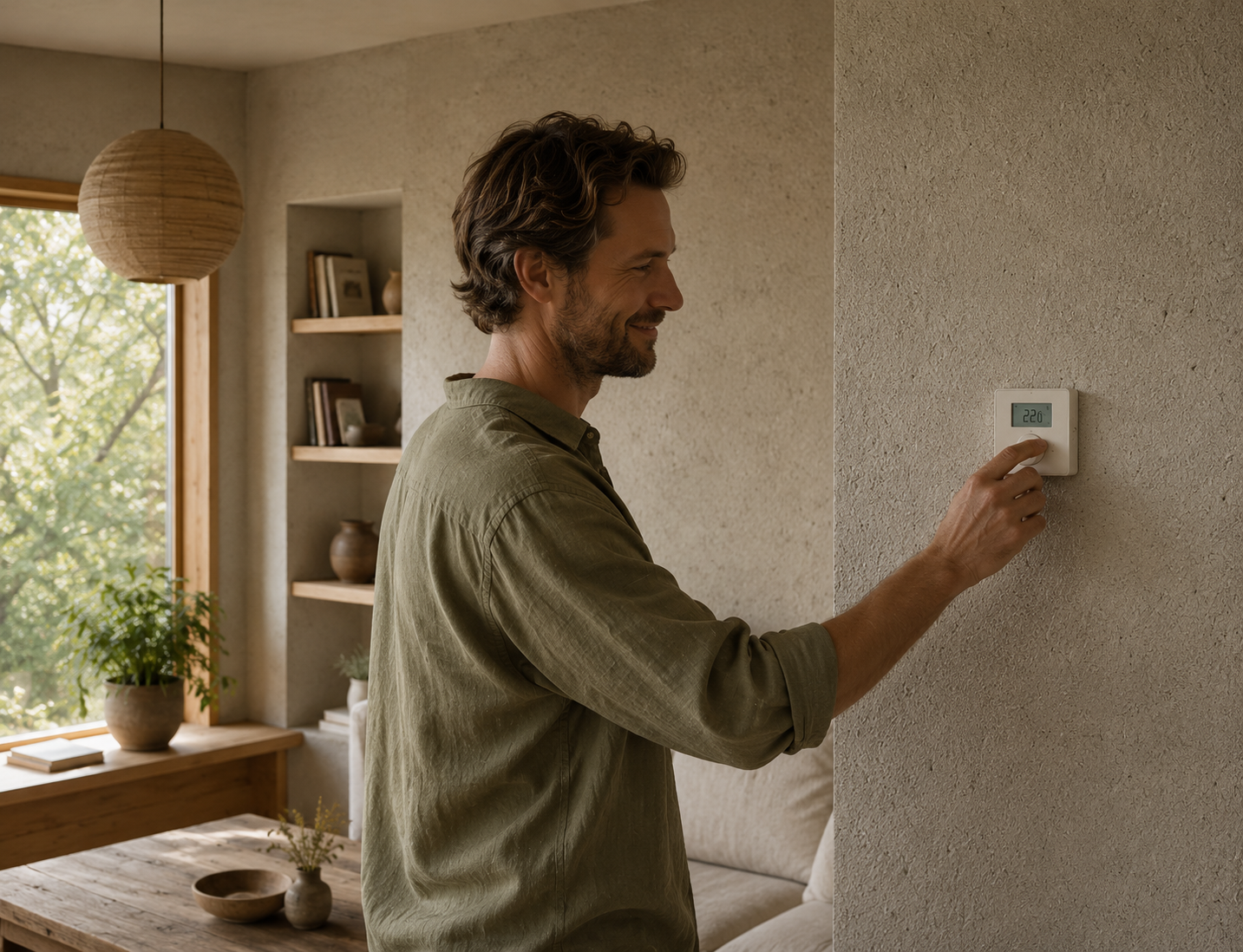
For some homeowners, minimizing upfront construction costs is the highest priority. For others, indoor air quality, moisture resilience, sustainability, durability, and overall comfort are equally important considerations.
Hempcrete isn't the right choice for every project or every budget. But for homeowners seeking a healthier and more environmentally responsible way to build, it offers a compelling alternative to conventional construction.
Ready to Explore Hempcrete House Plans?
If you're considering a hempcrete home, the next step is finding a design that fits your goals, lifestyle, and budget.
Our Hempstead Living collection includes a growing selection of hempcrete-ready homes and ADUs, ranging from compact cottages to spacious family homes. Whether you're planning a primary residence, vacation retreat, or backyard dwelling, each design is created with healthy, sustainable living in mind.
Browse the Hempstead Living collection to explore available plans and learn more about the building options available for each design.